






Published Friday, January 30, 2026 by Elena R. in New Puppy, Dog Grooming, Popular Dogs
Spend a little time around Cockapoos, and you’ll see how wide their color range really is. They go from deep chocolate to light cream, and every shade in between. Somewhere in the middle sits the apricot Cockapoo, one of the most admired and instantly recognizable variations of the breed.
People are often drawn to the apricot Cockapoo for its balance. It has the brightness of cream, the warmth of red, and a softness all its own. In sunlight, it glows with a golden tint andindoors, it can look almost peachy or honey-colored. No two are quite the same, even within the same litter you’ll see subtle differences in depth and tone. That individuality is part of the charm.
Most people who start researching apricot Cockapoos come in with the same questions: How does this color change from puppyhood to adulthood? Will my puppy’s coat fade as it grows? How do I tell apricot apart from red or cream? While the apricot coat is often discussed as one of the “prettier” colors, it’s worth knowing what goes into it: the genetics behind the shade, how it changes over time, and what kind of care keeps it looking healthy.
If you’ve ever seen an apricot Cockapoo in person, you know why the color stands out. It feels warm and expressive, and it suits the breed’s personality — cheerful, gentle, and affectionate. This guide walks you through everything that makes the apricot Cockapoo unique: what defines the color, how it develops, how it compares to other shades, and what to expect as your puppy grows. By the end, you’ll have a clear picture of the coat, the care, and the dog beneath it
Table of Contents
What Is an Apricot Cockapoo

When people hear “apricot Cockapoo,” they usually picture a dog with a soft, peachy coat that glows in the sun. Not too bright, not too pale, just that perfect middle shade. In reality, the apricot color covers a wide range. Some dogs lean toward a warm, golden cream, while others are almost coppery, especially in the early months. Both fall under the apricot category, and both are unmistakably Cockapoo in look and feel.
An apricot Cockapoo coat sits right between the red and cream variations. It has the richness of red without the intensity, and the lightness of cream without the cool tone. The balance makes it one of the most flattering and versatile colors on the breed. On a wavy coat, the shade looks soft and luminous, while tighter curls make it appear deeper and more solid. The texture plays as much of a role as the pigment itself — the curlier the coat, the denser the color appears.
It’s also one of the few colors that seems to change slightly depending on lighting. In daylight, the apricot coat can take on a warm honey or gold tint. Indoors, it often looks a little lighter, almost beige with a hint of rose. That shifting quality gives it a natural depth that’s hard to capture in photos. It’s one of those coats that looks best in motion — when the light catches the waves and you see the full range of tones at once.
Apricot Cockapoos can be solid in color or carry subtle white markings, especially on the chest, paws, or around the muzzle. These small accents are common and don’t take away from the overall color. In fact, they tend to make each dog more individual. Some apricot Cockapoo puppies are born looking almost red, then lighten gradually over their first year. Others start off very pale and grow into a richer tone. There’s no “right” shade — just a wide spectrum that all fits within the same warm family.
RELATED: Cockapoo Breed Information – Everything you need to know about Cockapoos
How Apricot Color Develops Over Time
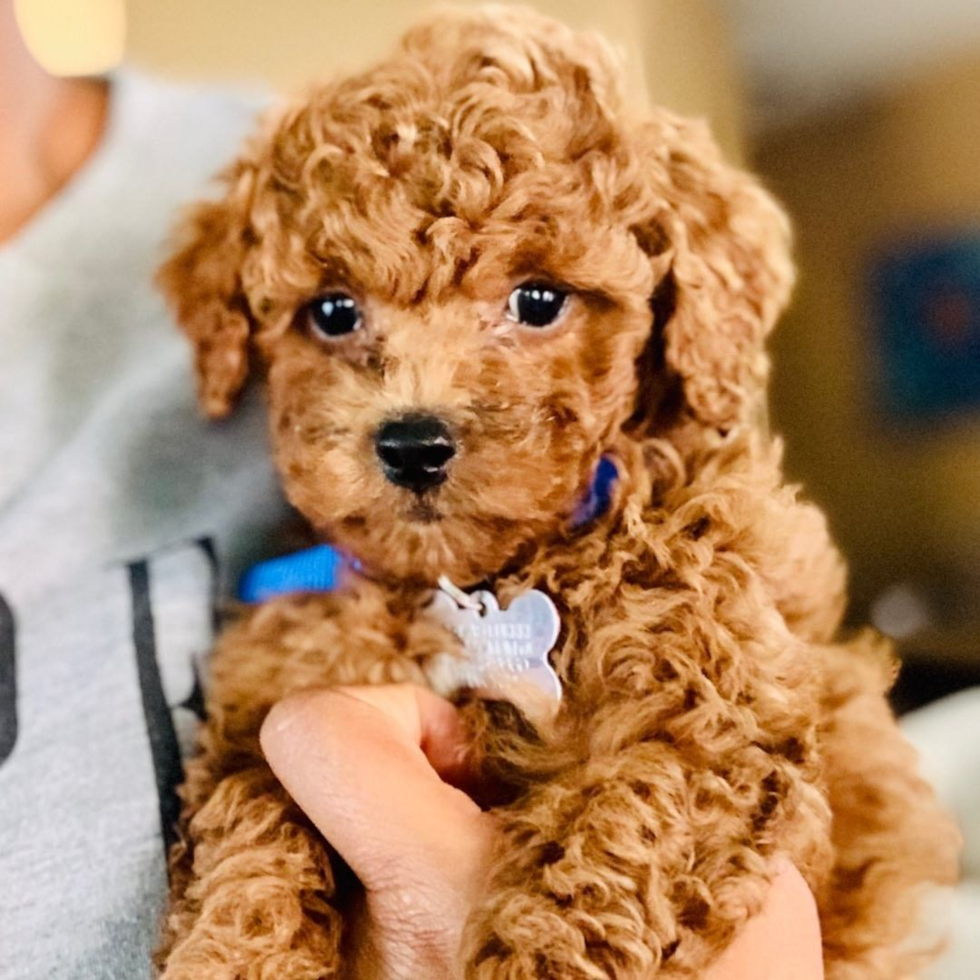
If you’ve talked to anyone who’s owned an apricot Cockapoo, you’ve probably heard them mention how the color changes as the dog grows. It’s one of the most common questionsbreeders get — Will my apricot puppy stay this shade? The honest answer is that most don’t. The apricot Cockapoo color almost always shifts over time, but the way it changes depends on the individual dog.
When they’re born, apricot Cockapoo puppies often look darker than they’ll end up. The newborn coat can appear deep red or rich gold, especially when still short and dense. As the puppy coat sheds and the adult coat grows in, usually between six and twelve months, the color lightens. This process is natural and gradual. The adult hair grows softer and looser, which changes how the pigment reflects light. What looks like fading is really the coat maturing.
Some apricot Cockapoos keep a stronger, warmer shade into adulthood, while others lighten a soft cream with just a trace of peach. It all depends on genetics, grooming habits, and even light exposure. Dogs that spend more time outdoors tend to keep a bit of warmth in their color because sunlight can enhance those red and gold tones. On the other hand, coats that are kept longer or trimmed frequently may look slightly lighter, simply because new growth is always a touch paler than the ends.
Owners often notice the biggest shift after the first full grooming. Once that thick puppy fluff is gone, the adult curls come in smoother, finer, and lighter. It’s also common for highlights to appear around the muzzle, ears, or tail, especially in wavier coats. The lighter areas can make the overall tone look softer, but they don’t erase the apricot completely. Underneath it all, that warm base color stays the same.
By the time a Cockapoo reaches two years old, its coat color has usually settled. The final shade might be lighter than what you started with, but it keeps that same inviting tone that makes the apricot variation so recognizable.
RELATED: Everything You Need To Know About Puppy Color Changes
Apricot vs Red vs Cream vs Golden Cockapoo

It’s easy to confuse apricot Cockapoos with red, cream, or golden ones, especially in photos. The differences are subtle and often show up only when you see the dogs in person. Each of these colors falls on the same warm spectrum, but they sit at slightly different points along it, changing how the coat looks and how it reacts to light.
The red Cockapoo has the deepest tone of the group. True reds look rich and bold, with clear copper or mahogany undertones. The pigment is strong and consistent from root to tip, and in direct sunlight, it can almost glow with a reddish cast. Reds often appear darker in puppies and tend to fade gradually into lighter rust or apricot shades over the years, a natural softening that comes with age and grooming.
The apricot Cockapoo, by contrast, sits just one step lighter on the scale. Where red is intense, apricot is gentle. It’s still warm but less saturated. It carries a mix of peach and honey tones that shift slightly depending on coat texture. On curlier coats, it looks deeper and more even. On wavier coats, it has more movement, with lighter and darker strands blending softly together. The apricot color often looks warmer in sunlight and cooler indoors, which is part of why it can be mistaken for cream or gold in photos.
The cream Cockapoo is the lightest of the three. Cream coats are more neutral, with far less red pigment. They can look nearly white in certain lighting, especially after grooming, though they often keep a faint warm tint. Puppies that start off as light apricot can sometimes grow into what’s officially considered cream once their coat fades. The main difference is undertone — cream leans toward ivory or beige, while apricot always carries a hint of warmth underneath.
Then there’s the golden Cockapoo, a shade that often overlaps with apricot but leans more toward yellow or honey rather than peach. Goldens look brighter overall, with less red in the pigment and a more even tone throughout the coat. Some breeders group golden and apricot together since the line between them can be narrow. The easiest way to tell them apart is to look at the undertone: apricot has that soft pinkish warmth, while golden carries a subtle yellow cast.
RELATED: Brown Cockapoo: Guide to all Shades of Brown
Genetics Made Simple

You don’t need to be a geneticist to understand how an apricot Cockapoo gets its color. What matters most is knowing that the shade comes from a blend of traits passed down through both the Poodle and the Cocker Spaniel sides. The apricot tone is part of the same gene family responsible for red and cream coats — it’s just the middle point between them.
The color appears when both parents carry a version of the “red” pigment gene. Depending on how strong or subtle those genes are, the puppies can be born red, apricot, or cream. It’s the same basic formula every time, just a difference in how much pigment is expressed. When that pigment is diluted slightly, you get the soft peach or honey tones that define apricot. It’s a natural variation, not something breeders manipulate or control precisely.
That’s also why apricot Cockapoos can vary so much in shade, even within the same litter. Two puppies can have identical parents but very different coats (one darker, one lighter)simply because the genes combine in slightly different ways.
Another factor at play is something breeders call the “fading gene.” Many Cockapoos inherit this from their Poodle ancestry. It doesn’t change the base color itself, but it can cause the pigment to lighten gradually as the dog grows. That’s why some apricot puppies start off deep and rich, then soften into lighter tones or cream as adults. The color hasn’tdisappeared; it’s just mellowed over time.
None of these genetic factors affect health, temperament, or coat texture. They only influence appearance. A well-bred apricot Cockapoo is as healthy and even-tempered as any other color. Breeders who understand color genetics focus on balance: keeping the coat shades natural while prioritizing health and structure first. The color, in the end, is just the finishing touch on a dog that already has everything that makes the breed so loved.
RELATED: Top 12 Pros and Cons of Owning a Cockapoo
Temperament & Behavior
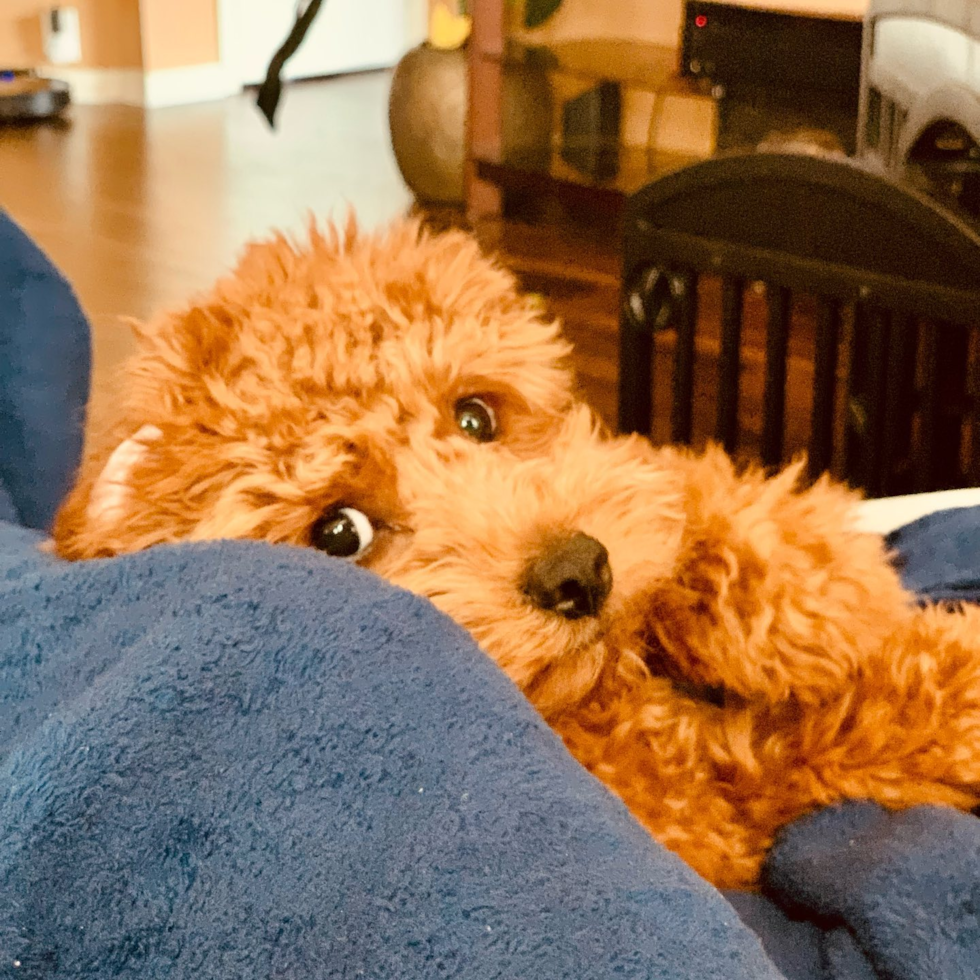
Color doesn’t shape personality — upbringing does. An apricot Cockapoo is no different in temperament from any other shade in the breed. What you’ll see instead is the same easy, affectionate nature that makes Cockapoos such steady companions. They’re quick to connect with people, intuitive about tone and energy, and happiest when they’re part of whatever’s happening around them.
Apricot Cockapoos tend to give off a warmth that matches their color. They’re friendly without being overwhelming, and playful, but not high-strung. Most settle comfortably into family life. They adjust to children, guests, and other pets with very little fuss. They’re social dogs, but they don’t demand constant activity; they just like knowing where their people are.
Training comes naturally. These dogs respond best to calm, consistent guidance rather than strict correction. Their intelligence — thanks to the Poodle side — means they pick up on routines quickly. The Cocker Spaniel side adds softness and patience. That mix creates a dog that’s alert but not stubborn, eager but not pushy. With the right tone and attention, they learn fast and stay eager to please.
What stands out most is how emotionally tuned-in Cockapoos can be. They notice moods and adjust their behavior in small but meaningful ways — sitting closer when you’re quiet orbringing you a toy when the house feels still. That kind of attentiveness is what makes them such reliable companions. Whether apricot, cream, or black, they all share that same grounded, easy nature that defines the breed. The color might catch your eye first, but the temperament is what stays with you.
RELATED: Are Cockapoo Good Dogs?
Coat Care for Lighter Shades

The apricot Cockapoo coat is one of the softer and lighter shades in the breed, and with that comes a little extra care. Light colors show more — a bit of dust from the park, a drip of water after drinking, or a patch of sun-bleached fur after a long summer. None of it takes away from the beauty of the coat, but staying on top of grooming helps it keep that healthy, even tone that makes apricot so appealing.
Regular brushing two or three times a week keeps the coat free of tangles and helps the color stay bright. The motion lifts out dust and spreads natural oils, which gives apricot coats that soft, even sheen they’re known for. The lighter the shade, the more quickly it can look dull if left unbrushed, especially around the legs and chest. A slicker brush for curls or a pin brush for wavy coats works best, depending on the dog’s texture.
Bathing doesn’t need to be frequent. Once every six to eight weeks is usually enough, using a gentle, pH-balanced dog shampoo made for light or curly coats. Over-washing can make the color appear flat and remove the oils that give the hair its natural glow. When bathing, pay attention to the areas that tend to show wear first — the paws, muzzle, and under the eyes. Those are the spots where lighter coats can pick up faint staining or discoloration, especially if not rinsed well.
Trimmed or full, the apricot coat always looks best when it’s kept clean and even. Shorter trims highlight the uniformity of color, while longer coats show off the movement and depth. Both work equally well; the right choice depends on your lifestyle. If your dog spends a lot of time outdoors, a shorter trim helps reduce maintenance. If you like the full, teddy-bear look, just plan to brush a bit more often to keep the curls neat and the color consistent.
Sunlight can naturally lighten apricot coats over time, giving them a soft golden tint. Some owners like the effect; others prefer to keep the original tone. There’s no harm either way. If you want to maintain the deeper apricot hue, providing shaded areas during long outdoor days helps. If you don’t mind the lighter highlights, simply treat it as part of the coat’s natural character — because that’s exactly what it is.
RELATED: Are Cockapoos Hypoallergenic? Do Cockapoos Shed?
Cost & Availability

Because the apricot Cockapoo is one of the most popular colors in the breed, it’s usually not difficult to find, but quality still varies widely. Price depends less on color itself and more on the breeder’s practices, the health and temperament of the parents, and the care that goes into raising the litter.
Apricot puppies might appear more frequently than rarer shades, but responsible breeders don’t treat them as premium or “designer” colors. They simply recognize that this warm, balanced tone is one many families ask for.
Across reputable breeders in the U.S., apricot Cockapoo puppies typically range between $1,500 and $3,000. Puppies from health-tested parents, raised in family environments and socialized early, sit toward the higher end of that range — not because of color, but because of the investment behind them. Some breeders may list slightly higher prices for apricot or red tones due to higher demand, but a trustworthy breeder will always emphasize health, not hue.
Availability depends on timing, not rarity. Apricot is a natural color in both Poodles and Cocker Spaniels, so it appears regularly in Cockapoo litters. You might wait a few months for the right pairing or for a specific coat type — wavy, curly, or straight — but you won’t be waiting for rarity. What takes time is finding the right breeder, not the right color. Responsible programs plan their litters carefully, focusing on temperament and structure before color combinations.
RELATED: Premier Pups Breeders: The People Behind the Promise
Is an Apricot Cockapoo Right for You

If you’re drawn to the apricot Cockapoo, you’re not alone. There’s something about this color that feels familiar the first time you see it. It’s a shade that seems to carry the same easygoing energy that makes the breed so loved. But what really matters is that underneath the color, every Cockapoo is built the same way: steady, affectionate, and happiest when they’re part of a family.
Living with an apricot Cockapoo isn’t complicated. They fit comfortably into most homes and routines, as long as they get enough attention and activity. They’re not high-strung or difficult; they just want to be included, to sit nearby when you’re working, to follow you from room to room, to be close enough to know what’s going on. That quiet loyalty is what defines them, no matter the shade of their coat.
Their lighter color does mean a little more grooming, but it’s the kind that becomes part of your rhythm — brushing while they nap nearby, trimming a few curls around the eyes, keeping that soft coat smooth and bright. It’s time well spent, and it’s part of why people form such strong bonds with this breed. Caring for an apricot Cockapoo always feels like something you do with them, not for them.
The color may be what first catches your attention, but it’s the rest that keeps you there — the intelligence, the gentleness, the constant companionship. The apricot Cockapoo doesn’t need to be rare to feel special. It’s the kind of dog that fits into your life quietly and completely, until one day you can’t imagine it without them. And that, more than the color itself, is what makes this shade and this breed so easy to love.
Scroll down to see FAQs about apricot Cockapoos.
Elena R.
About The Author
Elena is a leading expert in the field of dog behavior, care, and training, with over a decade of experience in writing about dogs. As a published writer and lifelong dog enthusiast, Elena currently shares her home with three beloved canine companions. She is dedicated to staying up to date on the latest advancements in dog care and training, ensuring that her articles provide readers with accurate and valuable insights. With her extensive knowledge and passion for all things canine, Elena's contributions to the Premier Pups community offer both expertise and authority on a wide range of dog-related topics.
What To Read Next
The Merle Cockapoo: Expert Guide to Blue and Chocolate Merle Coats
If you’ve spent time around Cockapoos, you know how much variety there is in their coats. You’ll see creams, reds, blacks, and every mix in between. Then, once in a while, one stands out, a dog with a coat that looks patterned rather than solid. That’s... Read More

Brown Cockapoo: Guide to all Shades of Brown
If you’ve been looking into Cockapoos, you’ve probably noticed that brown coats show up in more ways than one. Some are dark and glossy, almost like melted chocolate. Others are lighter like soft caramel or golden brown and sometimes mixed with bits... Read More
Frequently Asked Questions
What color is an apricot Cockapoo? An apricot Cockapoo has a coat that sits between cream and red — a warm, peachy-gold tone that looks different depending on light and texture. Some lean toward soft honey or rose gold, while others are a bit deeper, especially as puppies. The color always carries a gentle warmth, never too bright or too pale.
Do apricot Cockapoos change color as they grow? Yes, most apricot Cockapoo puppies lighten over time. The coat often starts out darker and fades slightly as the adult hair grows in, especially if the dog carries the fading gene common in Poodle lines. The change is gradual, and the final shade usually settles by age two. Even after fading, the coat keeps its warm, golden undertone.
What’s the difference between an apricot and a red Cockapoo? The red Cockapoo has a deeper, stronger pigment (rich and coppery), while the apricot Cockapoo looks lighter and softer, with peach or honey undertones. Reds may fade into apricot shades as they mature, which is why the two colors often get confused. The easiest way to tell them apart is by depth of tone: red coats are bolder, apricot coats gentler.
Is an apricot Cockapoo rare? Not particularly. Apricot is one of the more common shades in the breed because both Poodles and Cocker Spaniels can carry the genes that produce it. However, demand for the color is high, so some litters with apricot puppies may be reserved early. True rarity comes more from timing and availability than from genetics.
How do I keep my apricot Cockapoo’s coat looking bright? Regular grooming helps most. Brushing two or three times a week keeps the coat clean and prevents buildup that dulls the color. Occasional baths with a gentle, pH-balanced shampoo will refresh the tone without stripping oils. Keeping the coat trimmed and brushing after outdoor play also helps maintain the even, healthy shine that apricot coats are known for.
Do apricot Cockapoos cost more than other colors? Most apricot Cockapoos fall within the same price range as other colors — around $1,500 to $3,000 from reputable breeders. If prices are significantly higher, it’s often due to demand, not rarity. The key is finding a breeder who focuses on health and temperament first, not color.
What coat types do apricot Cockapoos have? Apricot Cockapoos can have any of the three main coat types: wavy, curly, or straight. Wavier coats tend to show lighter highlights and more visible movement in the color, while curly coats appear deeper and more uniform. Texture depends on which parent’s traits are stronger, not the color itself.
How do I tell the difference between an apricot and a cream Cockapoo? Cream Cockapoos have less red pigment and look closer to ivory or beige. Apricot Cockapoos always carry a warm undertone; even the palest ones have a hint of gold or peach in natural light. Side by side, apricot looks richer and slightly darker, while cream looks cooler and lighter overall.
Are apricot Cockapoos harder to keep clean? Lighter coats can show dirt more easily, especially around the paws and muzzle, but regular brushing and quick spot cleaning keep them looking fresh. The apricot shade hides mild staining better than white or cream, so upkeep is usually simple with a consistent grooming routine.
Does the apricot color affect a Cockapoo’s temperament or health? No. Coat color has no link to behavior, health, or energy level. Apricot Cockapoos share the same friendly, affectionate temperament as every other color in the breed. What matters most is how the dog is bred, socialized, and cared for early in life, not the shade of its coat.