





Published Friday, January 23, 2026 by Elena R. in Dog Grooming, New Puppy, Popular Dogs
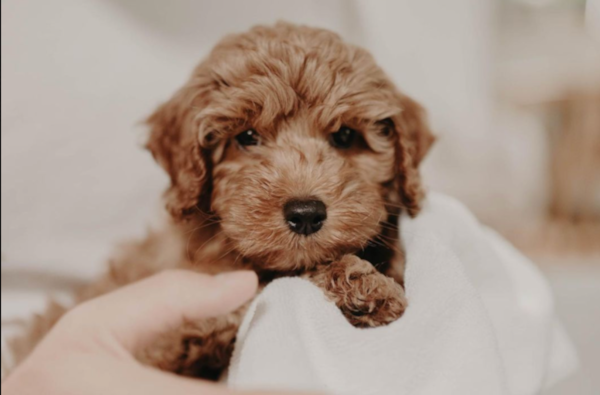
If you’ve been looking into Cockapoos, you’ve probably noticed that brown coats show up in more ways than one. Some are dark and glossy, almost like melted chocolate. Others are lighter like soft caramel or golden brown and sometimes mixed with bits of white or black. They all fall under the same broad term, but once you’ve seen a few up close, you start to notice how much variety there really is.
A brown Cockapoo can look completely different from one dog to the next. The color can be even and solid, or it can fade and blend in subtle ways that change with the light. In puppies, the brown is often lighter and gradually deepens as the adult coat grows in. The coat itself can be loose and wavy or tight and curly, and the color seems to settle differently depending on the texture. That’s part of what makes watching them grow so interesting, the look develops over time.
People often have questions about these dogs and their color changes. Will my brown Cockapoo stay the same shade as it gets older? What’s the difference between chocolate, brown and white, or black and brown coats? Do darker colors need more care in the sun? Those are good questions, and they’re the kind of details breeders and owners pay attention to.
Table of Contents
- What Defines a Brown Cockapoo
- Brown Cockapoo Appearance
- Chocolate Cockapoo
- Black and Brown Cockapoo
- Brown and White Cockapoo
- How Brown Cockapoo Colors Change Over Time
- Brown Cockapoo Temperament
- Brown Cockapoo Coat Care and Maintenance
- Brown Cockapoo Cost and Availability
- Is a Brown Cockapoo Right for You
What Defines a Brown Cockapoo
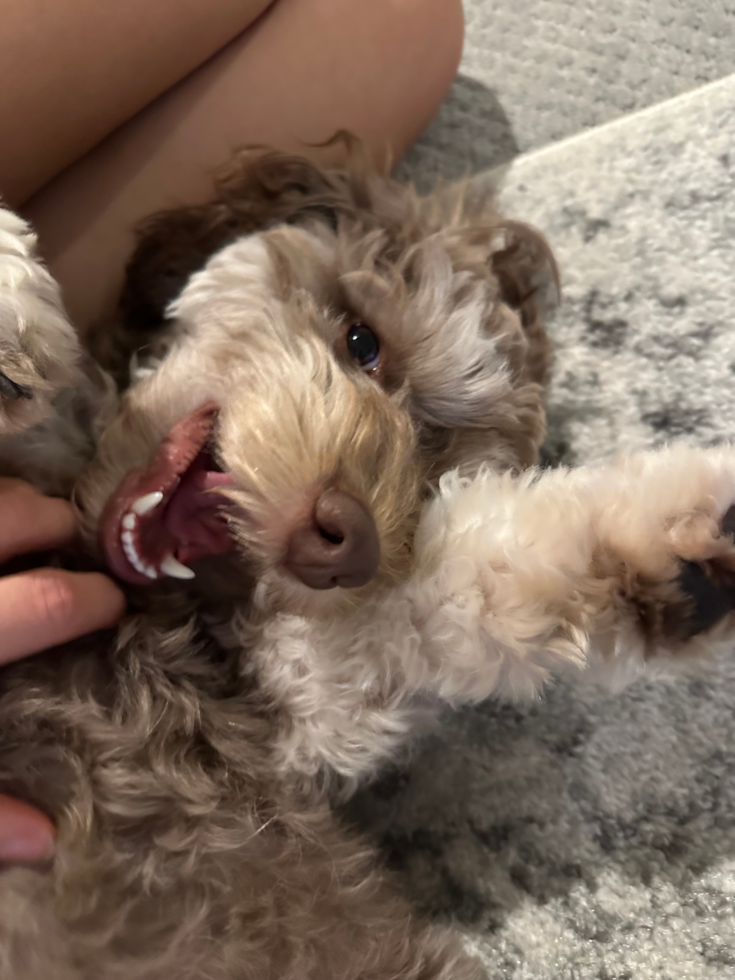
When people talk about a brown Cockapoo, they’re usually describing a coat that falls anywhere between light coffee and dark chocolate. It’s one of the most recognizable color families in the breed, but also one of the most flexible. The term “brown” covers a range of shades, some cool and silvery, others warm and rich, and that variety is part of what makes it so common yet never boring.
A solid brown Cockapoo will usually have a deep, even tone from nose to tail. The coat might appear almost black indoors but reveal reddish or golden undertones in natural light. Puppies often start a little lighter, especially around the face and paws, and darken gradually as they mature. That shift is completely normal; it’s just how the pigment settles into the coat over time.
In other cases, brown appears as part of a mix. You’ll see black and brown Cockapoos with dark patches that fade into soft chocolate highlights, or brown and white Cockapoos where the colors break cleanly along the chest and muzzle. All of these fall under the brown umbrella; they just wear the color differently. The shade and distribution depend on both genetics and coat texture, which can make every brown Cockapoo look slightly different from the next.
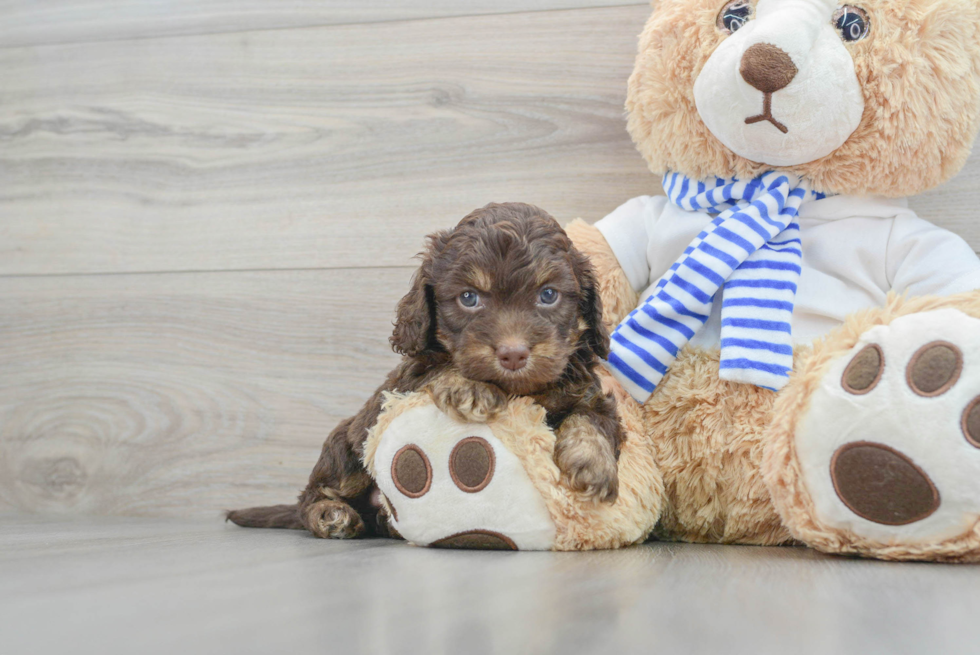
The coat itself can range from a loose, soft wave to a tighter curl, and that texture changes how the color reads. On a wavier coat, light reflects more evenly, giving the brown a warm, glossy sheen. On a curlier coat, the color appears deeper and more compact, with natural shadows that make the tone look layered. Neither is better, it’s just another way this breed shows off its variety.
Brown Cockapoos are often mistaken for chocolate or even red ones, especially when the lighting or grooming length changes. The key difference is depth: brown coats stay firmly in the neutral-to-dark spectrum, while reds carry a distinct copper tone. Once you’ve seen a few side by side, the difference becomes easy to spot.
RELATED: Top 12 Pros and Cons of Owning a Cockapoo
Brown Cockapoo Appearance
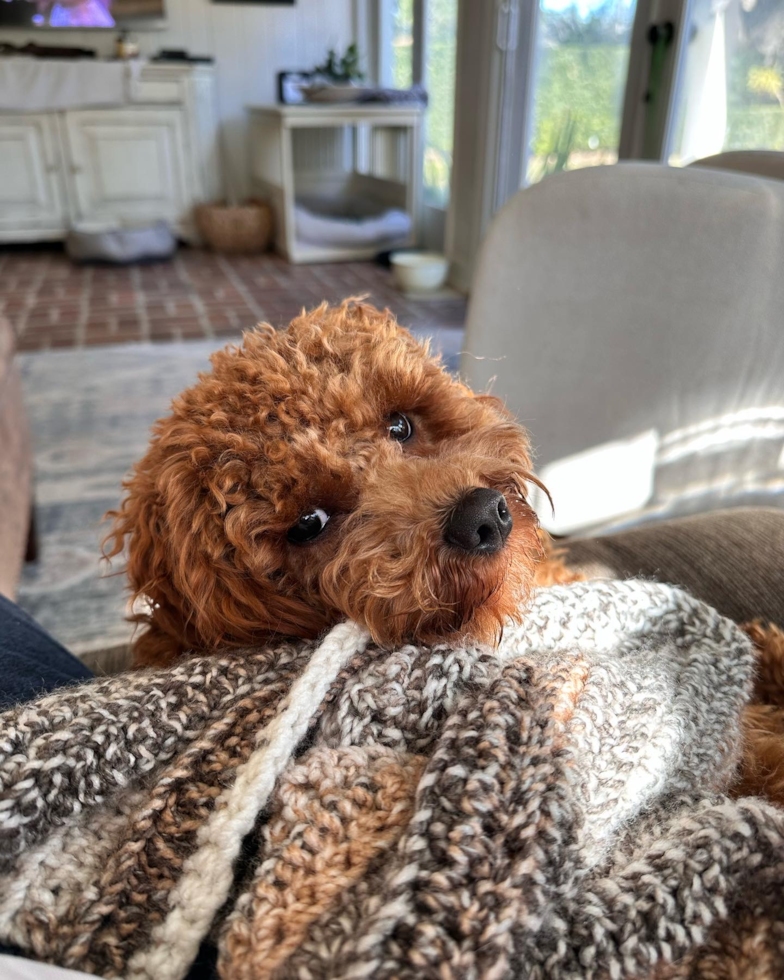
When you see a brown Cockapoo in person, the first thing that stands out is how rich and layered the color looks. Brown is one of those shades that never sits flat. In some lights, it shows golden or reddish undertones; in others, it looks cooler, more neutral. That subtle shift is part of what gives the color its depth; it looks alive, not painted on.
The shade itself can range from light mocha to deep espresso. Puppies born with softer, milk-chocolate coats often darken as their adult hair comes in, while the very dark ones sometimes lighten a little after their first full grooming. That early change catches a lot of owners off guard, but it’s completely normal for this color. The final tone usually settles around a year old, once the adult coat replaces the puppy fluff.
Texture plays a big part in how the color reads. On Cockapoos with looser, wavy coats, the brown tends to look shinier and more blended. The light catches the curves of the hair and softens the edges between shades. On curlier coats, the color gathers into compact spirals, which makes the tone look deeper and more uniform. Neither texture is better; they just display the same color in two very differentways.
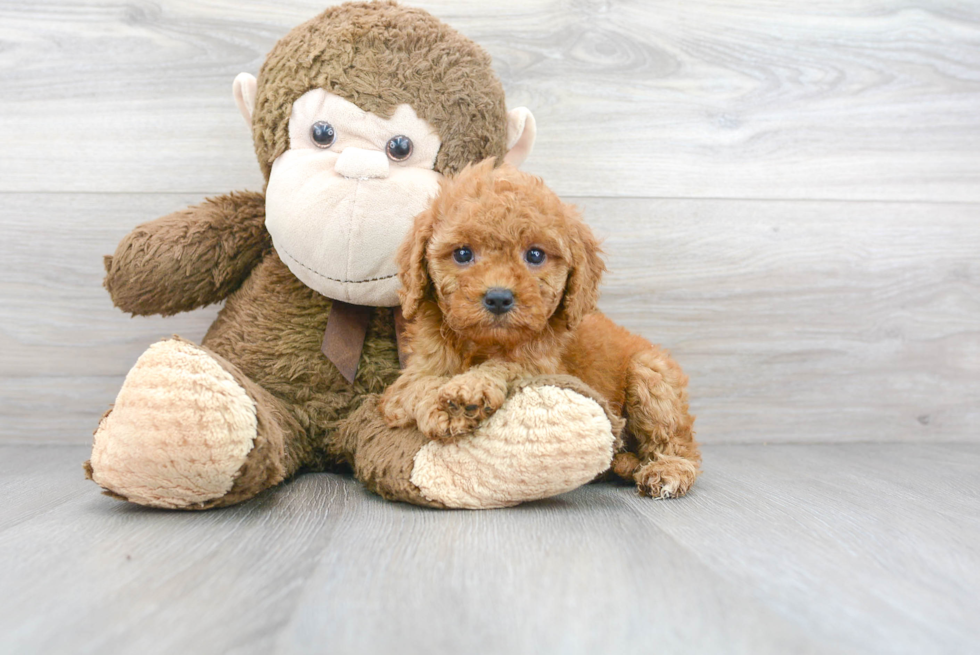
Many brown Cockapoos have lighter features that complement the coat naturally. The muzzle may be slightly paler, the eyebrows or chest a shade lighter, or the tail tip carrying a bit of cream or tan. These small details are part of the breed’s normal variation and help define the dog’s expression.
Grooming and lighting change the picture again. A freshly trimmed brown coat looks sleek and polished, showing off the darker base color. Let the coat grow longer, and it softens, the curls loosen, and the brown lightens slightly toward the ends. Out in the sun, you’ll sometimes notice bronze or reddish tones shining through. Indoors, the same coat might look more subdued and cooler. That’s the quiet charm of brown Cockapoos: they always look a little different depending on where you see them.
RELATED: The Merle Cockapoo: Expert Guide to Blue and Chocolate Merle Coats
Chocolate Cockapoo
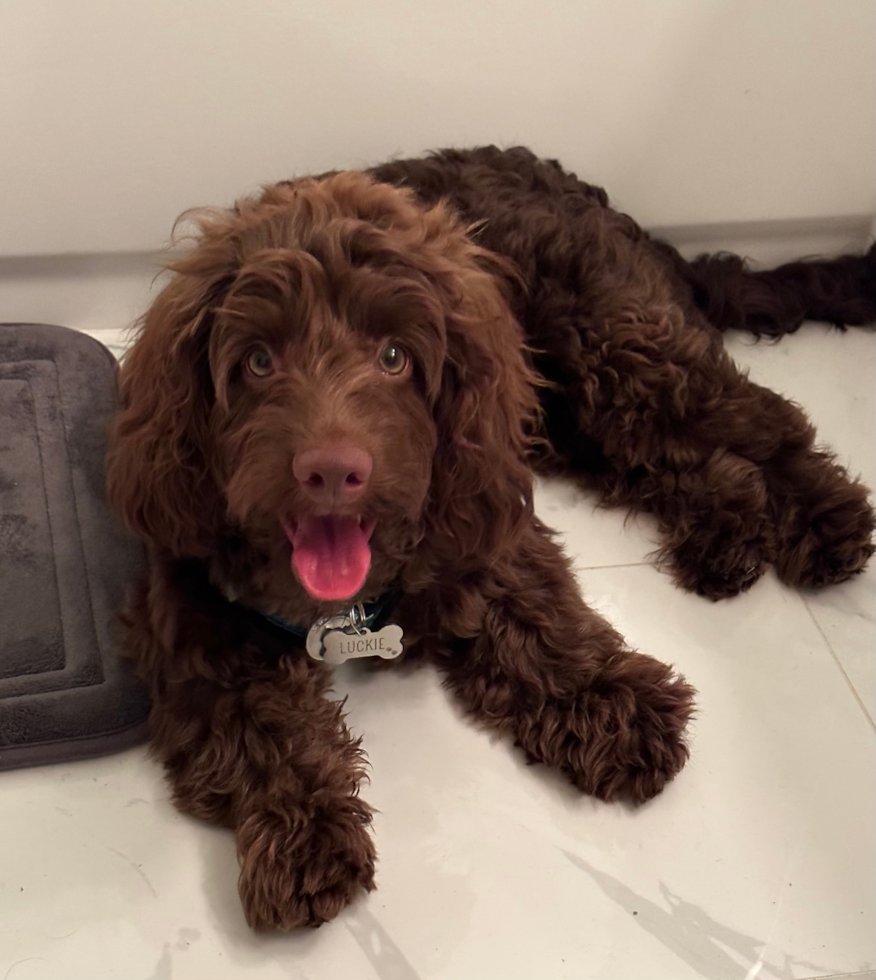
When people picture a brown Cockapoo, this is usually the shade that comes to mind, the deep, dark chocolate coat that almost looks black at first glance.The color that shows best in natural light, where you can see the warm undertones come through. In the sun, the coat glows slightly red or bronze. Indoors, it can appear nearly jet black until you notice the softer brown edges around the muzzle or ears.
A chocolate Cockapoo’s coat has a natural richness that gives the dog a polished, elegant look without feeling showy. The color tends to be even from head to tail, though some dogs carry small lighter spots on the chest, chin, or paws. When the coat is freshly groomed, it looks sleek and dense; when left longer, it takes on a softer, velvety appearance that fits the breed’s playful personality. Either way, it’s a color that always looks full, never flat or dull.
One thing owners often notice is how the chocolate tone changes subtly as the dog grows. Puppies born with dark, shiny coats sometimes lighten slightly after their first year, settling into a warm milk-chocolate shade. Others stay rich and dark their whole lives. These small shifts are completely normal. The pigment simply reacts to light exposure and coat growth. It doesn’t mean the color is fading; it’sjust maturing.
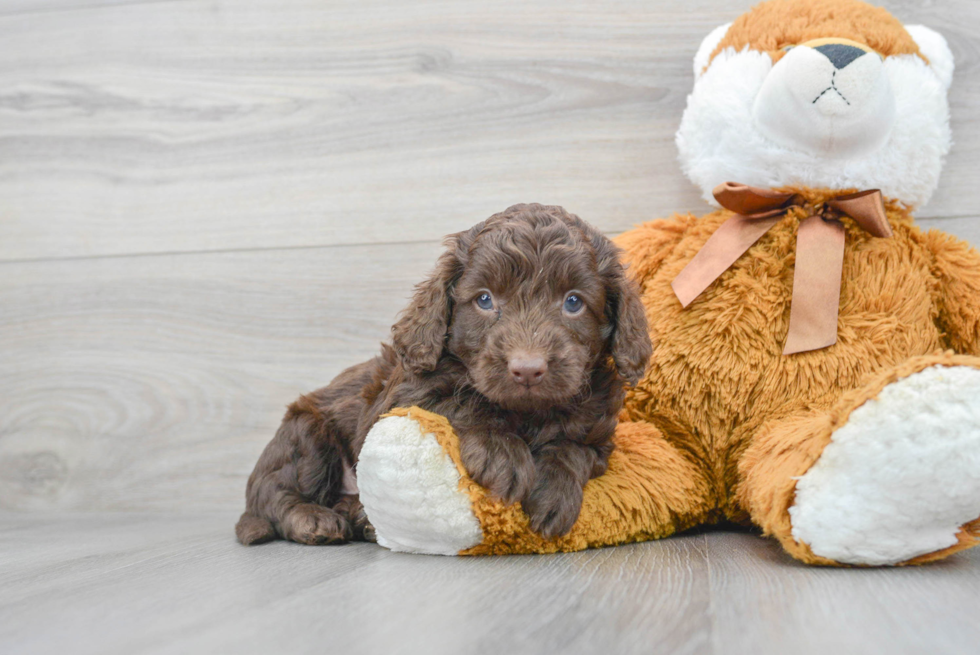
The chocolate coat looks especially striking against the Cockapoo’s typical features — dark brown or hazel eyes, a black or liver-colored nose, and that open, friendly expression. The depth of the color highlights the texture of the curls, so the coat almost seems to move when the dog does. Up close, you can see layers within the color, darker at the roots, lighter near the tips, all blending into one smooth, even tone.
Owners often say the chocolate shade is what drew them to the breed in the first place. It’s timeless and flattering on every coat type. It also hides dirt better than the lighter colors, which makes it practical for active dogs that spend a lot of time outdoors.
RELATED: Everything you need to know about the Cockapoo breed.
Black and Brown Cockapoo
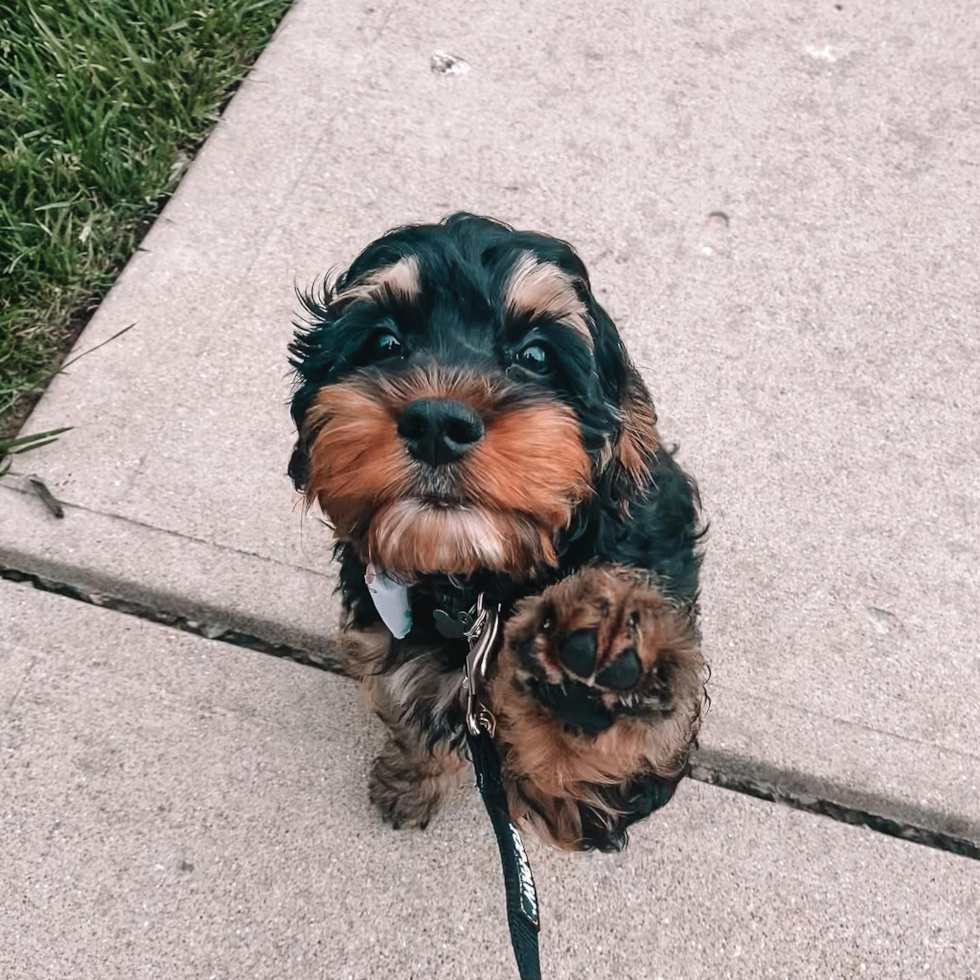
The black and brown Cockapoo is one of the most eye-catching variations in the breed. The base color is usually a deep, glossy black, with brown highlights or markings that show up around the muzzle, eyebrows, chest, and legs. These markings can be light tan or warm chocolate, depending on the individual dog, but they always stand out against the darker coat.
In most cases, brown appears in consistent places. The face often carries small brown patches above the eyes, almost like eyebrows, and lighter shading along the sides of the muzzle. The exact layout varies from dog to dog, but the pattern usually stays symmetrical enough to feel cohesive.
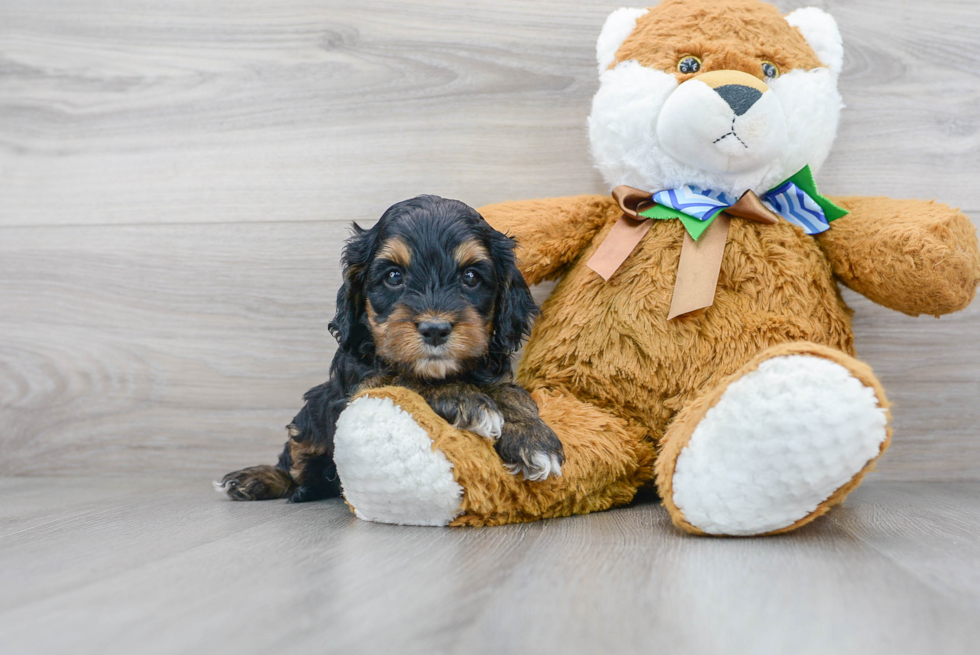
The coat texture has a big influence on how this color combination reads. On wavier coats, the transition between black and brown looks blended, with the shades softly overlapping. On tighter curls, the colors separate more distinctly - the black appears deeper, and the brown more defined. In both cases, grooming can shift the visual balance. A fresh trim shows off the contrast clearly, while a grown-in coat gives the pattern a gentler, almost shadowed look.
Though people sometimes confuse this variation with the “phantom” pattern common in Poodles, they’re not the same thing. Phantoms have a specific, well-defined marking layout, while black and brown Cockapoos can vary widely. Both are beautiful, but the Cockapoo version tends to look softer and less rigid - a natural mix rather than a fixed pattern.
RELATED: Meet The Black Cockapoo: Pictures, Color Fading +More
Brown and White Cockapoo
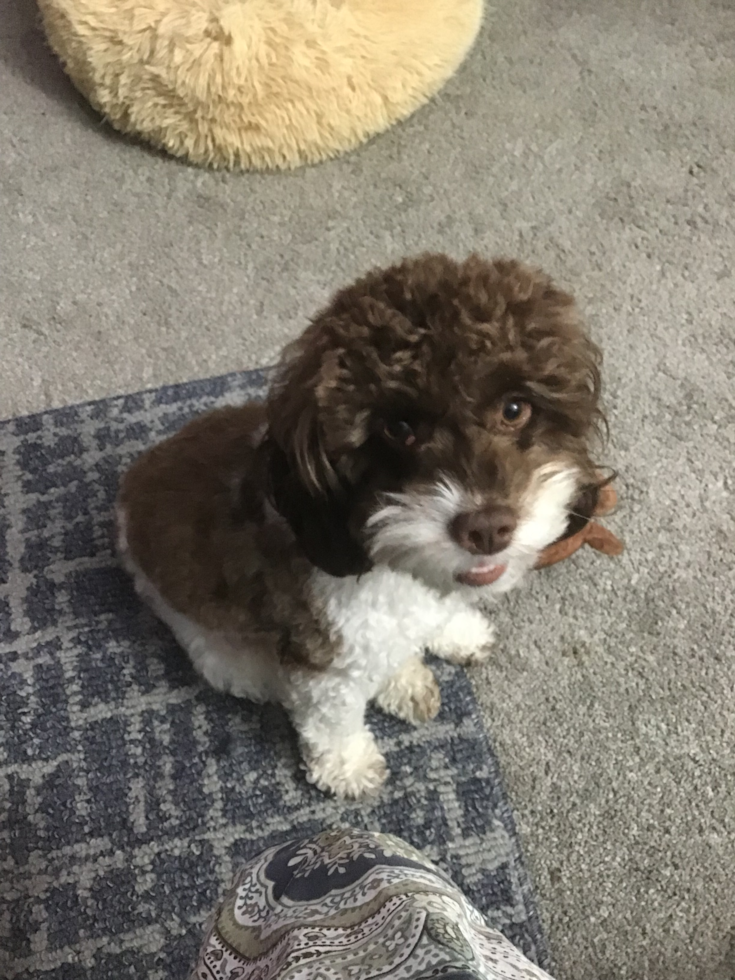
The brown and white Cockapoo is one of those color combinations that always looks cheerful. The contrast between the warm brown and the clean white gives these dogs a bright, open appearance. Depending on the dog, the pattern can be bold and clearly divided or soft and blended, though no two are ever exactly the same. That unpredictability is part of what makes this color so appealing to owners and breeders alike.
The pattern usually falls into one of two general types. Some brown and white Cockapoos have large, clearly separated patches - a mostly white body with solid brown markings across the back, face, or ears. Others are more evenly mixed, with smaller brown areas blending through the coat or light brown shading that transitions gradually into white. Both are considered normal, and both look equally at home on the breed’s wavy, textured coat.
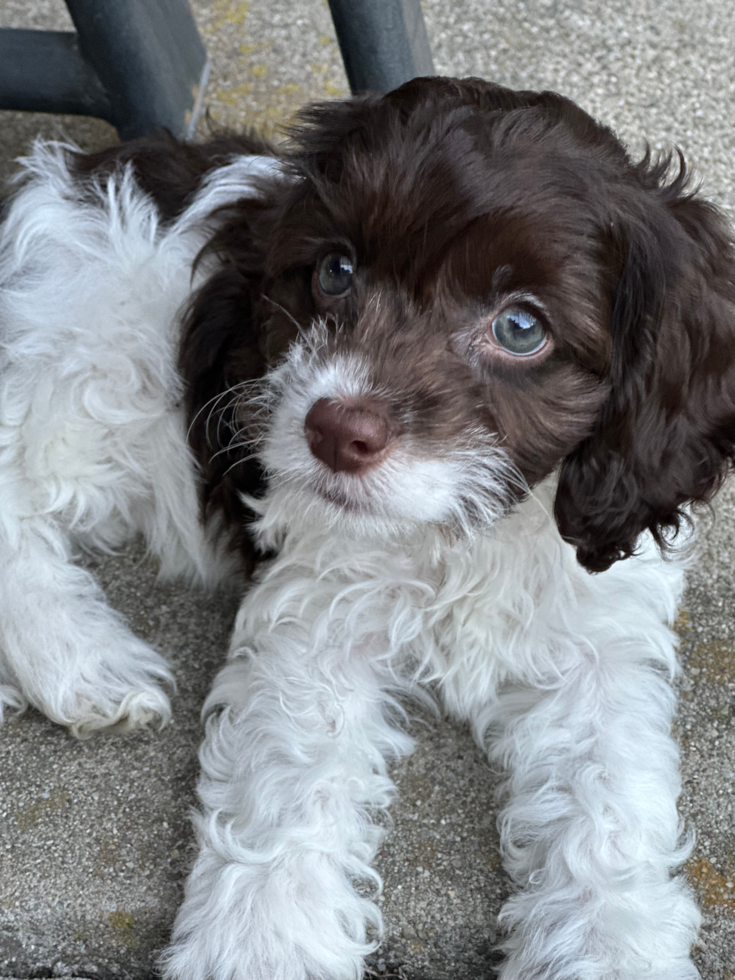
Grooming plays a big role in how this color mix presents itself. On freshly trimmed coats, the brown and white areas look crisp and well-defined. As the coat grows, the curls start to blur the edges between colors, creating a soft, cloud-like look that’s especially noticeable around the chest and face. Some owners prefer to keep the coat shorter to highlight the contrast, while others let it grow out for a more natural blend. There’s no right or wrong, it’s purely a matter of preference.
The brown and white color variation doesn’t affect coat texture or maintenance, but it does make grooming a little more noticeable. White areas can show dirt faster, especially around the paws and muzzle, so regular brushing and occasional spot cleaning help keep the contrast fresh. It’s a small bit of upkeep for what’s arguably one of the most charming and expressive color patterns you can find in a Cockapoo.
How Brown Cockapoo Colors Change Over Time
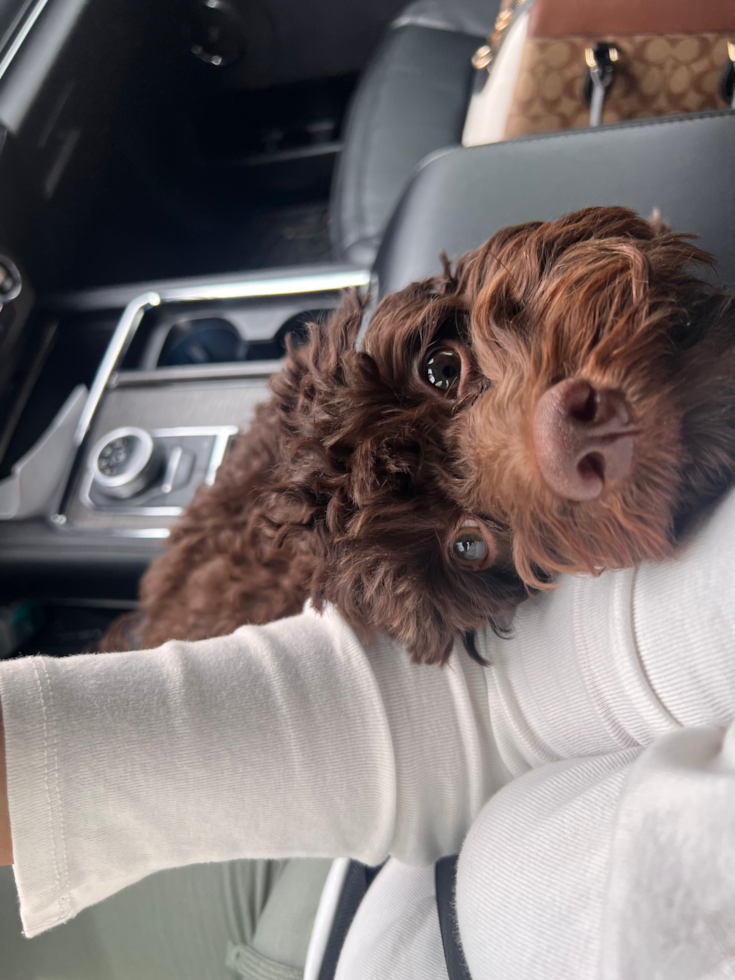
One of the most common questions new owners ask about brown Cockapoos is whether their color will change as they grow. The short answer is yes, usually in small, natural ways. Like most Cockapoos, brown-coated dogs go through a few noticeable shifts as their puppy coat transitions into the adult one. The pattern, warmth, and intensity of the brown can all adjust slightly over the first year or two.
Puppies often start out lighter than they’ll end up. A soft coffee-colored puppy might deepen into a darker chocolate tone as the adult coat grows in. Others do the opposite, starting out dark and softening a little with age. The reason is simple: Cockapoo coats mature slowly, and the pigment adjusts as new layers of hair replace the fluffier puppy fur. It’s not a sudden change, but a gradual deepening or lightening that you’ll start to notice around six to twelve months old.
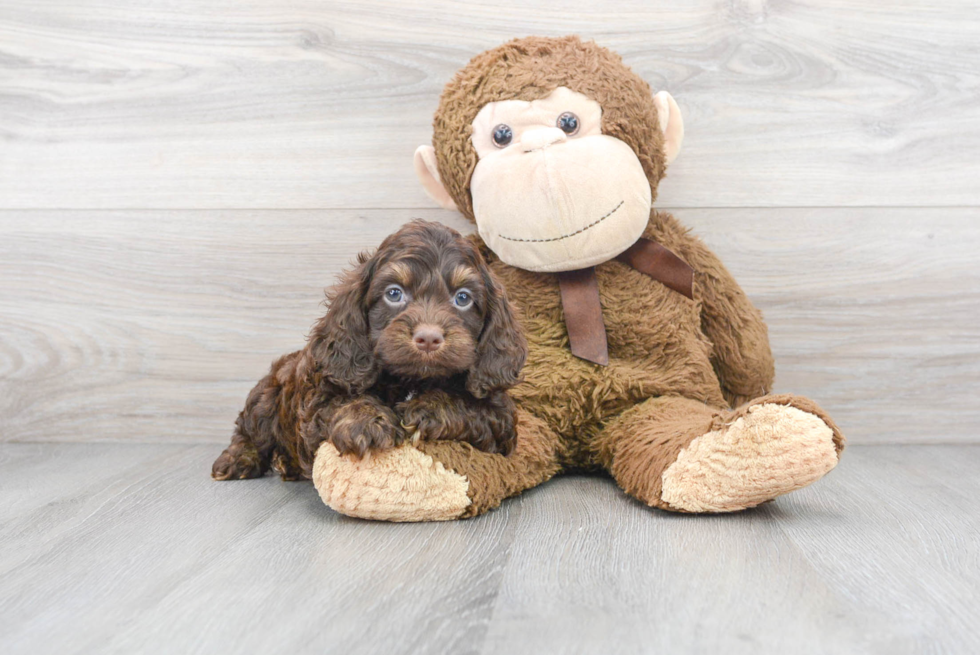
Lighting, grooming, and exposure also play small roles. Brown coats that spend a lot of time in the sun can pick up warm, almost reddish tones. Dogs that stay mostly indoors may retain a cooler, more neutral brown. After grooming, the coat can look a shade lighter for a few weeks - that’s just the shorter hairs reflecting light more directly. As the coat grows back in, the color evens out again. These changes are temporary and part of normal coat maintenance.
Some Cockapoos also develop lighter areas around the muzzle or chest as they age. This isn’t a flaw, but rather common for darker coats to show a little silvering or fading near the face, especially after a few years. It gives them that soft, distinguished look older Cockapoos are known for. The rest of the coat usually stays consistent once the adult shade has settled.
The important thing to remember is that the brown base itself doesn’t vanish or transform completely. The tone may shift a little, but it remains recognizably brown, whether rich chocolate, medium mocha, or soft tan. Every dog lands somewhere unique on that spectrum, and that individuality is part of the appeal.
RELATED: Everything You Need To Know About Puppy Color Changes
Brown Cockapoo Temperament
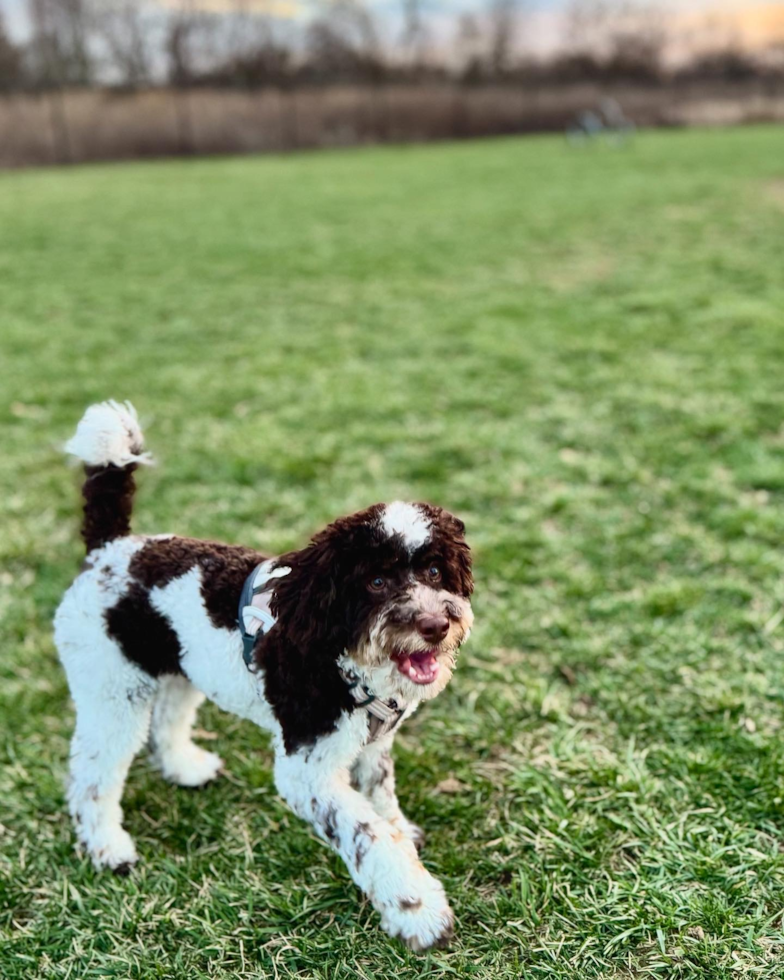
Color doesn’t shape temperament - breeding, socialization, and environment do. A brown Cockapoo behaves no differently from any other color in the breed. What you can expect is the same easy, adaptable nature that makes Cockapoos such popular family dogs. They’re alert, affectionate, and happiest when they’re part of daily life.
Brown Cockapoos tend to make a strong first impression because their color matches the warmth of their personality. They’re quick to form bonds and thrive on attention, whether it’s from one person or an entire household. Most are playful without being overactive - they like a good walk, a bit of fetch, and plenty of time spent close to their people. When raised in a steady, positive environment, they’re gentle, responsive, and eager to please.
Like all Cockapoos, they read tone and energy easily. They don’t need harsh training - calm consistency works best. Their intelligence comes from the Poodle side, and their patience and sociability from the Cocker Spaniel side. That mix gives them a balance that’s hard to find elsewhere: smart enough to learn quickly, but soft-natured enough to stay pleasant and steady.
If there’s one thing to know about their temperament, it’s that they do best when they feel included. They’re companion dogs first and foremost. Whether brown, cream, or merle, every Cockapoo shares that same instinct to be near you, not just around you. That’s what defines the breed far more than color ever could.
RELATED: Are Cockapoo Good Dogs?
Brown Cockapoo Coat Care and Maintenance
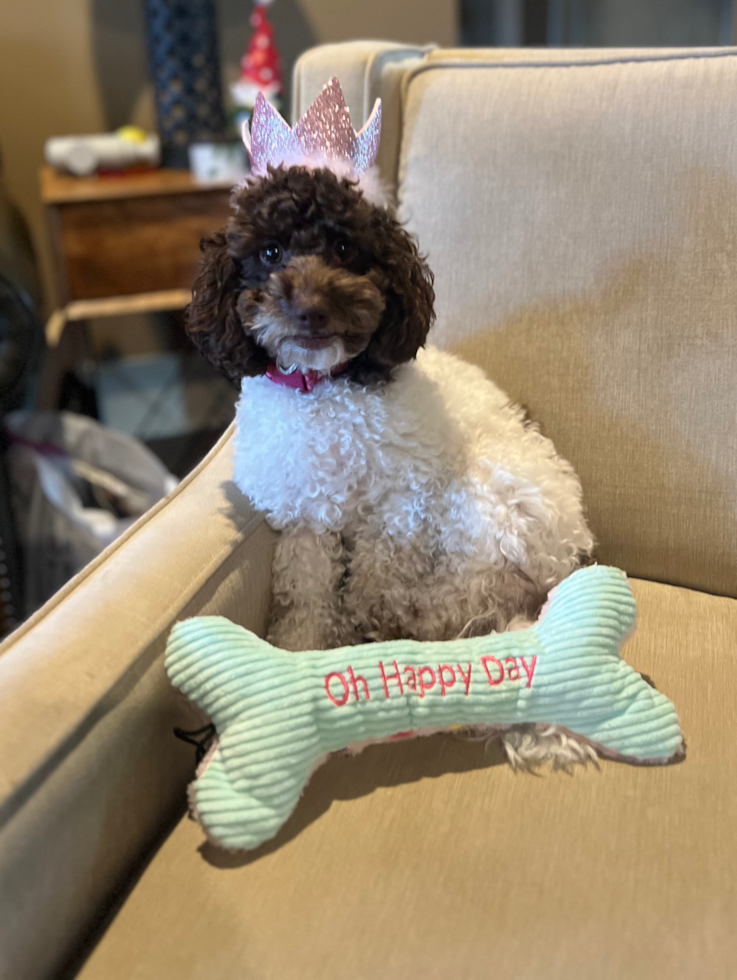
Caring for a brown Cockapoo’s coat isn’t complicated, but it does reward consistency. The color itself doesn’t require special treatment, but the combination of texture, curl, and thickness means a routine makes all the difference. Like all Cockapoos, the brown variety can have coats that range from soft waves to tight curls, and that determines how often you’ll need to groom.
For most, brushing two to three times a week keeps the coat healthy and prevents tangles. Areas that mat fastest, like under the ears, behind the legs, and around the collar, benefit from a quick check daily, especially if your dog’s coat leans curlier. Regular brushing also brings out the natural sheen in brown coats. Because the color absorbs light rather than reflecting it, clean, brushed curls make the brown look richer and more dimensional.
Bathing should stay occasional, not constant. A gentle dog shampoo, ideally one for curly or sensitive coats, works best. Over-bathing can strip natural oils and leave the coat dull or frizzy, which makes the brown look flat. Every six to eight weeks is a comfortable rhythm for most dogs unless they get especially dirty in between. Always make sure the coat is fully dry before brushing again. This keeps the curls springy and prevents breakage.
Sunlight can affect color slightly over time. Extended exposure, especially during summer, can warm up the tone. You might notice faint reddish highlights in darker coats. It’s not damage, just a natural shift. If you prefer to keep the original tone, limit long hours in direct sun or use shaded areas for outdoor rest. The color tends to even out naturally once the coat sheds and regrows.
Professional grooming every six to eight weeks helps keep the coat manageable and balanced. Shorter trims make brushing easier and help the coat stay even in tone. Longer coats show the full texture but need more attention. Either approach works fine, but what matters most is maintaining comfort for the dog and consistency for the coat.
RELATED: Are Cockapoos Hypoallergenic? Do Cockapoos Shed?
Brown Cockapoo Cost and Availability
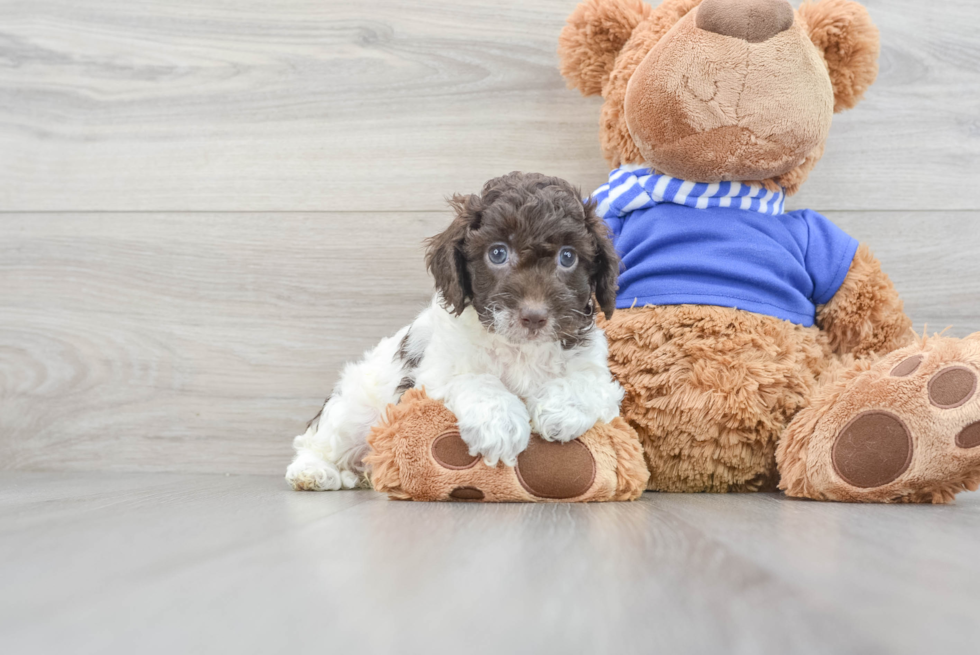
The brown Cockapoo is one of the most common and consistent colors in the breed, which makes it easier to find than some of the rarer variations, but that doesn’t mean the price is always lower. The cost of a Cockapoo, regardless of color, comes down to the breeder’s standards, the quality of the parent dogs, and the level of care that goes into raising the litter. Color can influence interest, but it shouldn’tdetermine value on its own.
Across reputable breeders in the United States, brown Cockapoos typically range from about $1,500 to $3,000. The difference usually reflects factors beyond the coat - health testing, temperament-focused breeding, early socialization, and whether the puppy comes from a well-established line. Within that range, darker chocolate coats or evenly marked brown-and-white combinations might sit toward the middle or upper end simply because they’re in higher demand, not because they’re rare.
Availability depends largely on timing and breeder focus. Many programs regularly produce brown puppies because the color appears naturally in both Poodle and Cocker Spaniel lines. Solid chocolate coats, black-and-brown mixes, and brown-and-white parti patterns all occur predictably when breeders work with those genetics responsibly. If you’re flexible on shade or pattern, finding a brown Cockapoo from a reputable breeder is usually straightforward with a bit of patience.
Where buyers should be cautious is when color is used as a selling point instead of part of a balanced breeding program. Some sellers advertise specific coat shades to inflate prices without prioritizing health or ethics. A trustworthy breeder will always talk first about the puppy’s temperament, parents, and environment, and only then discuss color.
The brown Cockapoo isn’t hard to find, but finding one raised well takes care and time. Cost alone doesn’t reflect quality; how the dog is bred and raised does. Choose based on health, temperament, and trust. The color should always be a bonus, not the foundation.
RELATED: Premier Pups Breeders: The People Behind the Promise
Is a Brown Cockapoo Right for You
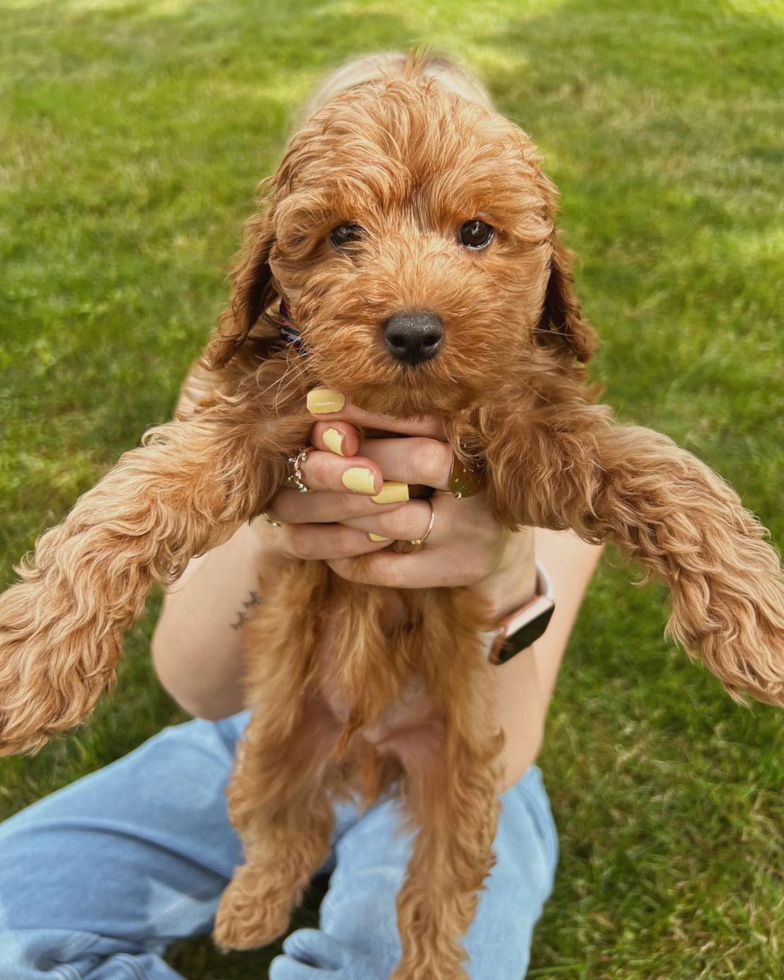
When people start looking for a brown Cockapoo, it’s usually because the color feels familiar and genuine. There’s something about those warm tones that fits the breed’s easy personality. But like any Cockapoo, the color is only part of the picture. What matters most is whether this kind of dog fits your day-to-day life.
Brown Cockapoos are companion dogs through and through. They want to be with their people, not just near them. If your days are busy but you’re home often enough to include your dog in your routine with walks, quiet time, errands, this breed settles in easily. They’re adaptable, quick to adjust, and comfortable in most homes, whether it’s a small apartment or a house with space to roam. What they need most is company, not constant activity.
The coat does ask for attention, but not in a demanding way. Brushing a few times a week and regular grooming every couple of months keeps it healthy and soft. The brown color looks best when the coat is cared for - clean, brushed, and even. It’s not high-maintenance, just consistent work that becomes part of the bond you build with your dog. The routine itself tends to feel more like connection than chore.
If you like a dog that’s expressive, loyal, and easy to live with, the brown Cockapoo fits that space naturally. The coat color might be what draws you in, but what keeps you there is everything underneath it -the intelligence, the calm energy, the constant companionship. Whether chocolate, black and brown, or brown and white, these dogs share the same gentle character that makes the breed what it is: friendly, bright, and built for close company. Are you ready to see our available brown Cockapoo puppies for sale and find your perfect match?
Scroll down to see FAQs about brown Cockapoos.
Elena R.
About The Author
Elena is a leading expert in the field of dog behavior, care, and training, with over a decade of experience in writing about dogs. As a published writer and lifelong dog enthusiast, Elena currently shares her home with three beloved canine companions. She is dedicated to staying up to date on the latest advancements in dog care and training, ensuring that her articles provide readers with accurate and valuable insights. With her extensive knowledge and passion for all things canine, Elena's contributions to the Premier Pups community offer both expertise and authority on a wide range of dog-related topics.
What To Read Next
The Merle Cockapoo: Expert Guide to Blue and Chocolate Merle Coats
If you’ve spent time around Cockapoos, you know how much variety there is in their coats. You’ll see creams, reds, blacks, and every mix in between. Then, once in a while, one stands out, a dog with a coat that looks patterned rather than solid. That’s... Read More
Tan Cockapoo Guide: Color, Pictures, Cost +more
Among the many colors you’ll see in Cockapoos, tan is one that always seems to fit the breed. It’s balanced, not too light, not too dark, and it gives the dog a calm, even look that works on every coat type. You’ll see it on wavy coats that catch... Read More
Frequently Asked Questions
What makes a brown Cockapoo different from other colors? A brown Cockapoo is defined by its warm, earthy coat tones that range from light coffee to deep chocolate. The color itself doesn’t change the dog’s temperament or coat type; it simply gives the breed a softer, classic look. Compared to brighter colors like red or apricot, brown feels more natural and even, with subtle variation that looks good on both wavy and curly coats.
Is a chocolate Cockapoo the same as a brown Cockapoo? Yes, the terms are often used interchangeably. “Chocolate” usually refers to the darker end of the brown spectrum, where the coat is rich and deep enough to appear almost black indoors. In natural light, the warm undertones come through, giving the color its signature depth. It’s still a brown Cockapoo, just on the darker side.
Will my brown Cockapoo’s color change as it grows? Slightly, yes. Most brown Cockapoos go through a few shade changes as their puppy coat transitions into the adult one. Some darken, others lighten a bit, depending on genetics and coat texture. These changes are gradual and natural. The brown base remains consistent; it just settles into its final tone as the coat matures.
What does a black and brown Cockapoo look like? A black and brown Cockapoo has a dark base coat with lighter brown markings on areas like the face, chest, and legs. The brown often frames the muzzle and eyes, creating a more expressive look. The markings can range from soft, blended shading to clearly defined patches, depending on the coat’s curl and density.
How is a brown and white Cockapoo different? A brown and white Cockapoo carries two distinct colors - the brown provides warmth, while the white brightens the overall look. Some have large patches of brown on a mostly white body; others have smaller markings spread through the coat. Grooming and coat length influence how bold or blended the contrast appears.
Do brown Cockapoos need special grooming products? Not special ones, but gentle, high-quality care makes a difference. Use a mild dog shampoo designed for curly or long coats, and avoid over-bathing, which can dull the natural sheen of brown fur. Regular brushing helps distribute natural oils and keeps the color looking rich and even.
Are brown Cockapoos rare? No. Brown is one of the most naturally occurring colors in Cockapoos, thanks to its presence in both Poodle and Cocker Spaniel genetics. It’s common but still appealing because of its variety - from dark chocolate to lighter brown and combinations with white or black. Availability depends on the breeder and timing, not rarity.
How much does a brown Cockapoo usually cost? Most brown Cockapoos from reputable breeders cost between $1,500 and $3,000 in the U.S. The price reflects the breeder’s standards, health testing, and care, not just the color. Some chocolate or brown-and-white puppies might fall on the higher end due to demand, but the color itself shouldn’t drive cost. Always choose based on breeder quality, not shade.
Does color affect temperament or health? No. Coat color has no connection to temperament, energy level, or health. Brown Cockapoos are just as intelligent, gentle, and social as any other Cockapoo. What matters most is how the dog is bred, raised, and socialized during those first few months, not what color the coat turns out to be.
Is a brown Cockapoo a good choice for first-time owners? Yes. Brown Cockapoos are as adaptable and affectionate as any other color in the breed. They respond well to positive training, enjoy regular activity, and love being close to their people. If you’re ready for moderate grooming and daily interaction, a brown Cockapoo fits easily into most homes and lifestyles.