






Published Friday, January 9, 2026 by Elena R. in Dog Grooming, Popular Dogs
Black Cockapoos are instantly recognizable for their deep, glossy coats and bright, intelligent expressions. They carry the same affectionate nature that defines all Cockapoos but bring a certain elegance that sets them apart. The contrast of their dark coat with their lively eyes gives them a look that’s both warm and confident, the kind of presence that feels calm yet full of personality.
This color isn’t rare, but it is memorable. Some Black Cockapoos stay a rich, jet-black all their lives, while others slowly lighten into shades of charcoal or silver as they grow. The change depends on their genetics, especially how much influence comes from their Poodle parent.
In this guide, we’ll take a closer look at what makes the Black Cockapoo’s coat special, how to care for it, and why these dogs continue to be one of the most popular pets for families across the country.
Table of Contents
- What Is a Black Cockapoo?
- Why Black Is a Standout Coat Color
- Does a Black Cockapoo’s Coat Change Over Time?
- Grooming and Coat Care for a Black Cockapoo
- Temperament and Personality of Black Cockapoo Dogs
- Size, Lifespan, and Living Needs
- Black Cockapoo vs Other Cockapoo Colors
- How to Choose a Healthy Black Cockapoo Puppy
- Final Thoughts
What Is a Black Cockapoo?

A Black Cockapoo is a mix between a Cocker Spaniel and a Poodle that carries a solid black coat. Like all Cockapoos, this mix combines the intelligence and low-shedding coat of the Poodle with the affectionate, easygoing nature of the Cocker Spaniel. What makes the black variety stand out is the depth of its color, which is a uniform shade that gives the dog a sleek, polished appearance.
Black Cockapoos can come from any size variation - Toy, Miniature, or Standard, depending on the Poodle parent. The color appears in all sizes and coat textures, from tight curls to loose waves. In good lighting, the coat often shows a soft sheen that highlights its density and health. Some dogs have a small splash of white on the chest or chin, but most are a consistent, even black from head to tail.
The black coloring comes from dominant genes in both the Poodle and Cocker Spaniel bloodlines. Because the gene is strong, black remains one of the most common and stable Cockapoo colors. While lighter shades like apricot and cream can vary in tone, black tends to stay rich and balanced in most dogs.
Many owners notice that the color looks different depending on the light. It looks deep and glossy in the sun, softer and almost velvety indoors. This gives the coat dimension and character without requiring any special care beyond normal grooming. Combined with the breed’s cheerful personality and expressive eyes, the black coat adds an elegant touch to an already charming dog.
RELATED: Cockapoo Breed Information
Why Black Is a Standout Coat Color

The black coat is one of the most eye-catching among Cockapoos. It’s deep, glossy, and often gives the dog a look of quiet confidence. Unlike lighter colors that can show stains or fade quickly, a well-kept black coat stays clean-looking and polished with little effort. The color also draws attention to the dog’s expressive features - the bright eyes, soft muzzle, and gentle, rounded shape that make the Cockapoo so appealing.
The color itself comes from a strong pigment gene that both Poodles and Cocker Spaniels share. When passed down to their puppies, it produces a solid, even shade that rarely appears patchy or uneven. In most Black Cockapoos, the color covers the entire body evenly, although small white markings on the chest or paws are possible.
A black coat also reflects the dog’s health and care. A well-fed Cockapoo with balanced nutrition and regular grooming will have a shiny, healthy-looking coat that feels soft to the touch. Owners often notice that sunlight brings out a subtle brown or blue tint in the fur, depending on genetics and lighting. This natural sheen is part of what makes the black coat so striking in person.
Some owners describe the black color as “timeless.” It doesn’t fade from fashion or lose appeal with age. Whether curly or wavy, short or long, a black coat gives the Cockapoo a refined, classic look that fits its friendly nature perfectly. It’s a color that turns heads quietly, not because it’s rare, but because it’s simple, rich, and undeniably elegant.
Does a Black Cockapoo’s Coat Change Over Time?
Many Black Cockapoos are born with deep, jet-black coats that seem to stay that way through puppyhood. Over time, though, some owners notice their dog’s fur starting to lighten. What was once a pure black coat may develop soft shades of charcoal, silver, or even blue-gray as the dog matures. This change is natural and comes from a combination of genetics and age.
The fading most often comes from a gene carried by the Poodle parent. Known among breeders as the fading gene, it can cause a dog’s coat to lighten gradually after the first year. Not every Black Cockapoo carries this gene, but it’s common enough that many do. The change usually begins around the face and ears, spreading slowly to the body as the dog grows older. In some dogs, the shift is subtle - a light dusting of silver over the black, while in others, the coat may turn an even gray tone.
Sun exposure can also influence color over time. Spending long hours outdoors can cause a slight warm tint to appear, giving the coat a softer brown cast in certain lighting. Regular grooming and proper coat care help preserve depth and shine, even as the natural pigment changes.
It’s important to know that fading doesn’t mean poor coat quality. The texture, health, and low-shedding nature of the fur stay the same. The change is purely visual, part of the dog’s genetic makeup. Some owners even find that the lighter highlights bring out their Cockapoo’s features more clearly, especially around the face.
RELATED: Everything You Need To Know About Puppy Color Changes
Grooming and Coat Care for a Black Cockapoo

A Black Cockapoo’s coat looks its best when it’s cared for consistently. The dark color shows shine easily, but it also makes dust and dander more noticeable if grooming routines are skipped. Regular brushing, gentle bathing, and balanced nutrition keep the coat smooth and healthy while preserving its rich tone.
Brushing two to three times a week is enough for most Black Cockapoos. This removes loose hair, prevents matting, and spreads the natural oils that keep the coat soft and glossy. Dogs with tighter curls may need more frequent brushing, while those with wavier coats can go a few days longer between sessions. A slicker brush or a metal comb works well to reach through the layers of hair without pulling or breaking strands.
Bathing every three to four weeks helps maintain the coat’s deep shine. A mild, dog-safe shampoo designed for dark coats can enhance the natural color while removing buildup from oils or outdoor play. After a bath, drying the coat completely is important to prevent moisture from dulling the hair.
Sun exposure can cause some Black Cockapoos to develop a lighter, reddish tint over time. While this change is harmless, keeping the coat shaded during long outdoor periods helps protect the pigment. Regular trimming around the eyes and ears also prevents the fur from tangling and keeps the dog comfortable.
Professional grooming every six to eight weeks keeps the coat even and easy to maintain. Most owners choose a medium-length cut that’s simple to brush and allows the natural texture to show. Keeping the grooming routine steady not only protects the color but also helps control shedding and reduce dander.
RELATED: Are Cockapoos Hypoallergenic? Do Cockapoos Shed?
Temperament and Personality of Black Cockapoo Dogs

Black Cockapoos share the same gentle and intelligent temperament that makes the breed so loved. Their color doesn’t change their behavior or personality, but it often adds to their presence. There’ssomething about the combination of a dark, glossy coat and those expressive eyes that makes every gesture stand out a little more.
Like all Cockapoos, they are social, affectionate, and quick to learn. They form strong bonds with their families and prefer being part of daily life rather than left on the sidelines. A Black Cockapoo will usually follow its favorite person from room to room, eager to join in whatever is happening. Their loyalty runs deep, and they respond best to calm voices and steady routines.
Their temperament sits comfortably between playful and relaxed. They enjoy activity, but they also settle easily once they know the household rhythm. This balance makes them adaptable to almost any environment - from city apartments to homes with big backyards.
Black Cockapoos are also known for their sensitivity to tone and emotion. They notice changes in mood and often respond with gentle affection, which makes them natural therapy and support dogs. Around children, they show patience and a calm nature that keeps interactions safe and pleasant.
Consistent interaction and mental stimulation are important for their happiness. Games that challenge their mind, short training sessions, and time spent together keep them confident and content. In return, they offer steady companionship and a sense of warmth that fills a home effortlessly.
Color may be the first thing people notice about them, but personality is what makes them really stand out.
RELATED: Are Cockapoo Good Dogs?
Size, Lifespan, and Living Needs
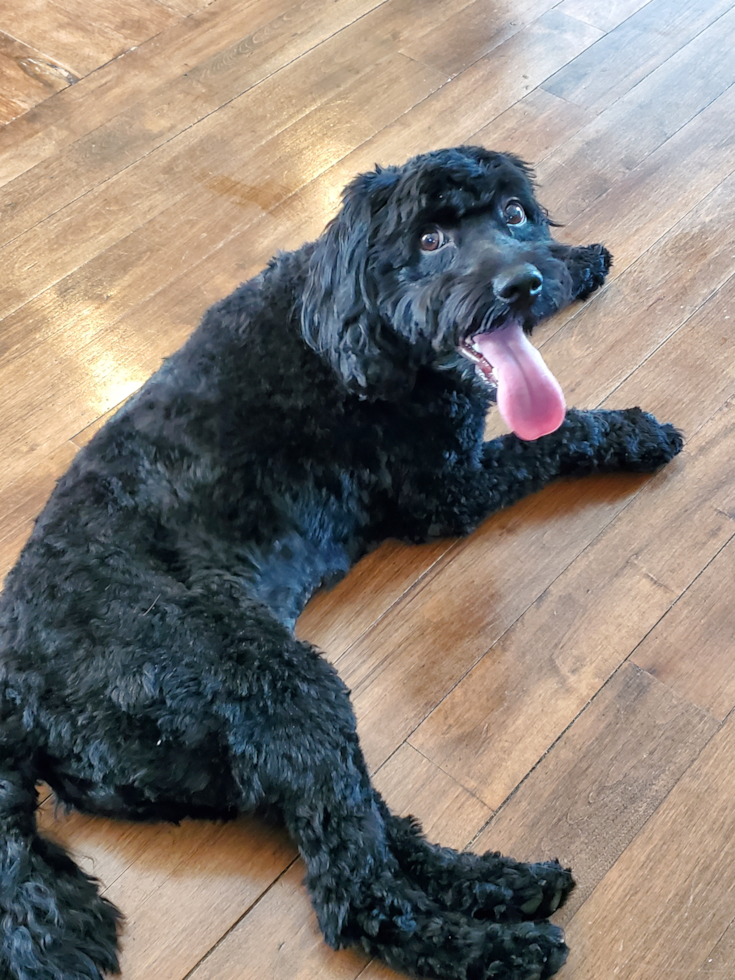
Black Cockapoos come in three general sizes, depending on the Poodle parent. The Toy Cockapoo is the smallest, usually standing around 10 inches tall and weighing under 12 pounds. The Miniature Cockapoo is the most common size, ranging from 12 to 18 pounds and about 12 to 14 inches in height. The Standard or Maxi Cockapoo comes from a larger Poodle and can reach 20 inches tall, weighing up to 25 pounds. Regardless of size, each shares the same balanced temperament and affectionate nature.
Their lifespan averages between 12 and 15 years, though many live longer with steady care. A healthy diet, regular exercise, and routine veterinary checkups make a noticeable difference in how well they age. Smaller Cockapoos often reach the higher end of the range, while larger ones tend to have slightly shorter lifespans, which is common across most dog breeds.
In terms of lifestyle, Black Cockapoos adjust easily to different environments. They’re active enough to enjoy daily walks and playtime but calm enough to relax indoors once their energy is spent. A small yard, nearby park, or even a few dedicated indoor play sessions can keep them satisfied. What matters most is consistency - they thrive on predictable routines and steady companionship.
Because of their intelligence, they benefit from both mental and physical stimulation. Puzzle toys, basic training, and short bursts of interactive play prevent boredom and help them stay confident. They’resocial dogs by nature and do best in homes where someone is present for most of the day.
RELATED: How Long Do Cockapoos Live? Cockapoo Lifespan – A Guide to Longevity
Black Cockapoo vs Other Cockapoo Colors
When it comes to personality and temperament, there’s no difference between a Black Cockapoo and one of any other color. The traits that define the breed (affection, intelligence, and a cheerful, steady nature) remain the same across all coat shades. What sets the black coat apart is appearance, not behavior.
Compared to lighter-colored Cockapoos, black coats tend to hide dirt and tear stains more easily. This makes them look well-groomed between baths, even with an active lifestyle. Cream, apricot, and red Cockapoos, while beautiful, can show signs of outdoor play more quickly and may need slightly more frequent washing. The darker color is also less prone to noticeable fading from the sun, though some softening of tone is still possible over the years.
In photos and in person, Black Cockapoos often appear more defined, especially in good lighting. The glossy coat gives them a polished, elegant look that naturally draws attention. Lighter Cockapoos, by contrast, tend to show more variation in their coats, from golden highlights to pale patches, which gives them a softer appearance. Both types have their appeal, and personal preference usually decides which one feels right for a family.
Some owners believe that darker-coated Cockapoos have slightly thicker fur, but this comes from individual genetics, not color. Coat density, curl type, and shedding levels all depend on which parent a puppy takes after more closely, the Poodle or the Cocker Spaniel. In general, the same care and grooming routines apply to every color.
RELATED: Top 12 Pros and Cons of Owning a Cockapoo
How to Choose a Healthy Black Cockapoo Puppy

Finding a healthy Black Cockapoo puppy starts with understanding what to look for in both the breeder and the puppy itself. A reputable breeder focuses on health, temperament, and proper care long before color comes into the picture. The black coat may be beautiful, but it should never be the only reason to choose a dog.
When meeting a breeder, ask about the parents’ health clearances. Both the Poodle and the Cocker Spaniel should be tested for common genetic conditions. Responsible breeders are open about results and will explain how they select parents to produce strong, well-balanced puppies. This transparency is one of the clearest signs of quality care.
If the goal is a true black coat, ask whether the puppy’s parents have retained their color over time. Some lines are known to carry the fading gene from the Poodle side, while others stay dark throughout adulthood. Breeders familiar with their lines can often predict how a puppy’s coat will develop. Still, even if the color lightens with age, the quality of the coat remains the same.
Spend time watching how the puppies interact. A healthy Black Cockapoo should be alert, curious, and eager to engage without being overly timid or aggressive. The coat should appear clean and glossy, the eyes bright, and the ears free from odor or irritation. Puppies raised in clean, social environments adapt more easily to family life and training later on.
Choosing a Black Cockapoo should feel thoughtful and calm. The color is a bonus, but health, temperament, and responsible breeding come first. A puppy chosen with care becomes a lifelong companion who reflects everything this breed stands for: warmth, intelligence, and steady affection.
Final Thoughts

Black Cockapoos have a quiet beauty that goes beyond their color. Their deep, glossy coats draw the eye, but it’s their gentle, balanced nature that keeps people devoted to the breed. They’re steady companions, playful when invited, calm when life slows down, and they adapt easily to the rhythm of any home.
A black coat doesn’t change who they are, but it does add a kind of understated elegance. The color catches the light in a way that makes their expressions stand out, showing the warmth and intelligence behind every glance. Some will keep that same rich tone all their lives, while others will fade to silver as they age. Either way, their charm never depends on shade; it rests in the bond they build with their people.
What makes the Black Cockapoo special isn’t rarity or trend. It’s balance. A breed that combines two intelligent, affectionate parents and turns those traits into something lasting. For anyone looking for a dog that fits easily into family life and gives more love than it ever asks for, a Black Cockapoo is exactly that: loyal, adaptable, and quietly remarkable.
Scroll down to see FAQs about Black Cockapoos.
Elena R.
About The Author
Elena is a leading expert in the field of dog behavior, care, and training, with over a decade of experience in writing about dogs. As a published writer and lifelong dog enthusiast, Elena currently shares her home with three beloved canine companions. She is dedicated to staying up to date on the latest advancements in dog care and training, ensuring that her articles provide readers with accurate and valuable insights. With her extensive knowledge and passion for all things canine, Elena's contributions to the Premier Pups community offer both expertise and authority on a wide range of dog-related topics.
What To Read Next

Complete Cockapoo Colors Guide: Patterns, Fading + Photos
When people begin searching for a Cockapoo, color is usually one of the first details that stands out. Some already have a specific shade in mind. Others are surprised by how many Cockapoo colors exist once they start comparing litters more closely. From light... Read More

White Cockapoo Guide: See Pictures, Grooming, Cost +more
White Cockapoos are easy to recognize and often one of the first colors people ask about. They stand out for their bright, clean coats and for how clearly the texture of the hair shows - every wave, curl, and line is visible. The color looks simple, but there’s... Read More
Frequently Asked Questions
Are black Cockapoos rare? Black Cockapoos aren’t rare, but they do stand out for their bold, even color. The black coat is one of the most common shades in the breed because both Poodles and Cocker Spaniels often carry the dominant black gene. Well-bred black puppies are easy to find, especially from breeders who focus on maintaining rich pigment across generations.
Do black Cockapoos fade in color? Some do, while others stay dark their entire lives. The difference comes from genetics. If a Black Cockapoo inherits the fading gene from the Poodle side, its coat may lighten gradually to silver, gray, or blue tones as it matures. This change usually begins after the first year and happens slowly. Even when the color softens, the coat stays healthy, full, and just as easy to maintain.
Does coat color affect personality? No. The color of a Cockapoo’s coat has no connection to personality or temperament. Black Cockapoos share the same affectionate, playful, and people-oriented nature that defines the breed. How a dog behaves depends on genetics, socialization, and training, not color.
Do black Cockapoos need special grooming? Their grooming needs are the same as any other Cockapoo. Regular brushing, monthly bathing, and trimming every six to eight weeks keep the coat soft and prevent tangles. Because the dark coat can show dust or dandruff more easily, consistent care helps maintain the deep, healthy shine that makes this color so striking.
Can I tell if a black puppy will fade before it grows up? It’s difficult to know for sure. Puppies with a brownish tint at the roots or lighter hairs around the eyes and muzzle are more likely to fade. Experienced breeders familiar with their lines can often predict color changes based on the parents’ history, but some surprises are still possible.
Are black Cockapoos good family dogs? Yes. Like all Cockapoos, the black variety is friendly, gentle, and great with children. They enjoy being part of family activities and adapt well to different living environments. Their even temperament and social nature make them one of the most dependable family companions.
Does the black coat require special products or care? Not necessarily, but using a dog-safe shampoo made for dark coats can help maintain the rich tone and glossy finish. Avoid harsh products or frequent bathing, which can strip the coat’s natural oils and dull the shine.