





Published Friday, February 20, 2026 by Elena R. in New Puppy, Popular Dogs
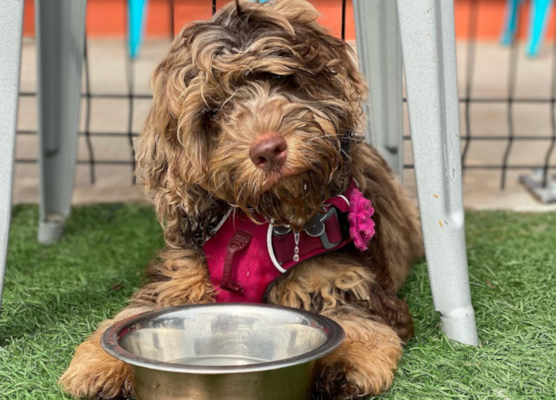
When people begin searching for a Cockapoo, color is usually one of the first details that stands out. Some already have a specific shade in mind. Others are surprised by how many Cockapoo colors exist once they start comparing litters more closely. From light cream and bright white to rich chocolate and deep black, the range is broader than many expect. Add patterns and markings into the mix, and two puppies from the same litter can look completely different.
Color matters for different reasons. Some buyers want a coat that stays close to the shade they see at eight weeks. Others want to understand which Cockapoo coat colors tend to lighten over time. Questions about fading, rarity, grooming, and long-term appearance come up early in the decision process. A lighter coat may show tear staining more easily. A darker coat may soften slightly with sun exposure or maturity. These details help set realistic expectations before a puppy ever comes home.
This Cockapoo color guide brings everything together in one place. Below, you’ll find a clear breakdown of common Cockapoo colors, coat patterns, rare variations, and how color can shift as a puppy grows. If you're comparing options or trying to decide what color Cockapoo fits your lifestyle best, this overview will help you make that choice with confidence.
Table of Contents
Cockapoo Color Categories
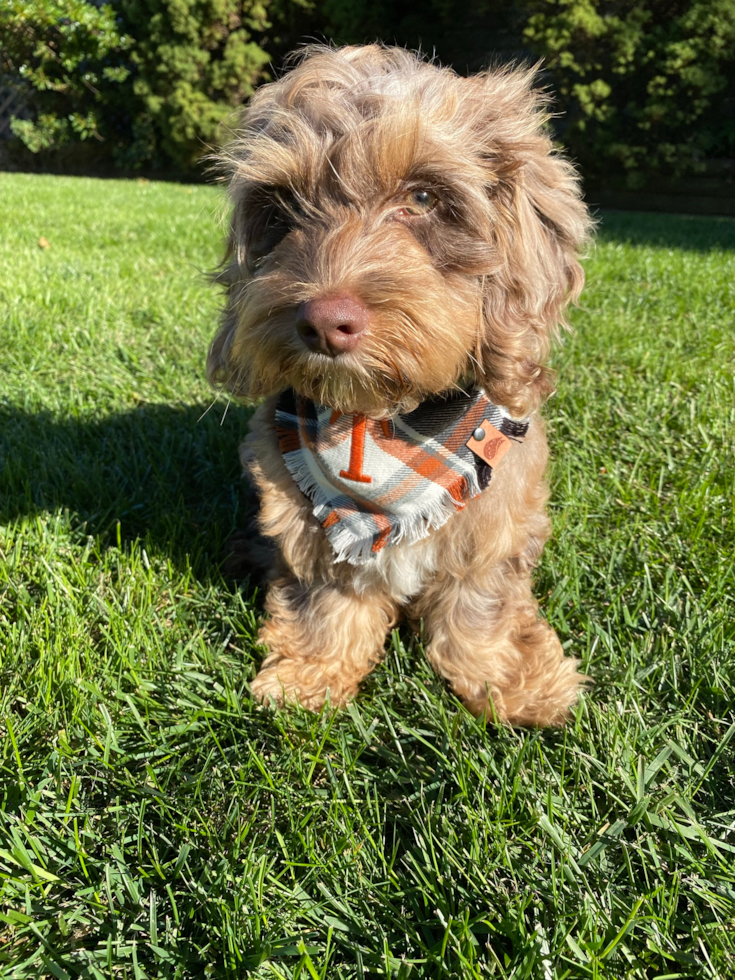
When exploring Cockapoo colors, most people quickly realize the variety goes beyond simple shade names. Some dogs carry one consistent color from head to tail. Others display clear patterns, markings, or layered tones that change how the coat looks.
Solid Cockapoo Coat Colors
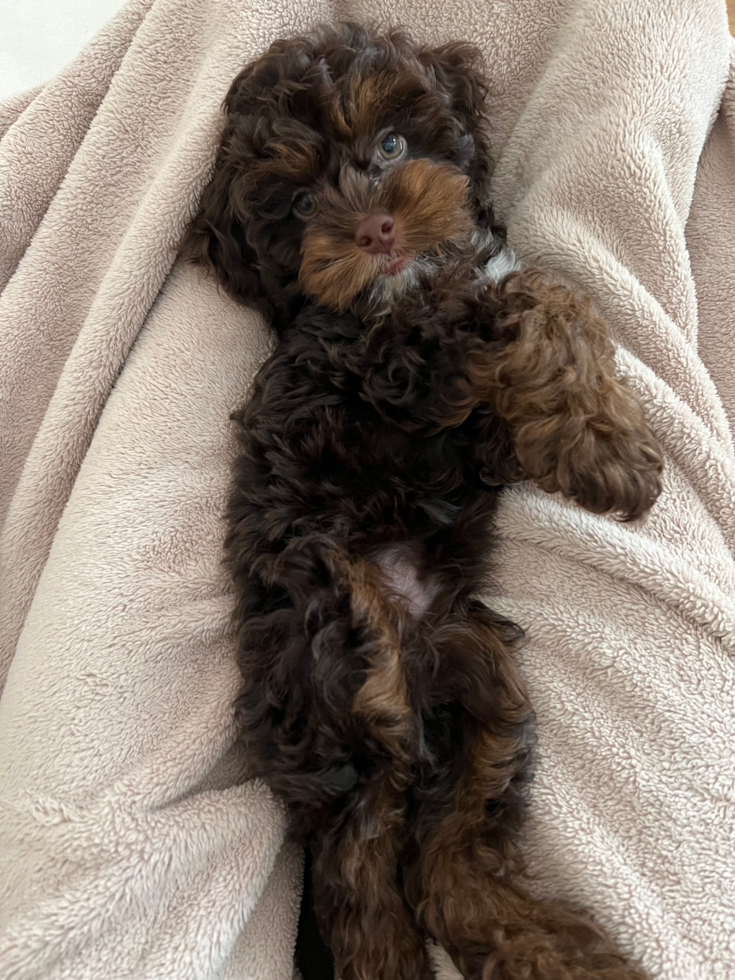
Solid Cockapoo coat colors include black, white, apricot, tan, and brown. These coats appear in one primary shade, though depth and intensity can vary depending on genetics and coat texture. An apricot Cockapoo may lean closer to cream, while another holds a richer golden tone. A brown coat might resemble dark chocolate at first, then soften slightly as the adult coat comes in.
Even within solid shades, variation is normal. Grooming length, curl pattern, and lighting can subtly change how a color presents. A tightly curled coat often makes pigment appear deeper and more concentrated. A looser wave reflects more light, which can make the same color look softer. The base color does not change, though its depth may adjust.
Patterns and Markings
Beyond solids, Cockapoo color patterns introduce contrast and structure.
A parti Cockapoo shows white alongside another base color in clearly defined sections. The white is not just a small accent — it forms a visible portion of the coat.
A phantom pattern follows more specific placement rules. Lighter markings typically appear above the eyes, across the chest, on the legs, and beneath the tail. The base color is usually darker and creates a stronger contrast at predictable points.
A merle Cockapoo has a marbled effect, where lighter and darker tones blend unevenly across the body. Unlike parti or phantom coats, merle is less about placement and more about color distribution. No two merle patterns look identical, even when the base color is the same.
These structural differences often explain why two puppies with the same base color can look noticeably different. A solid and a parti apricot can appear different at a glance, even though the underlying color is identical.
Cockapoo Color Fading and Dilution
Some Cockapoo colors deepen, soften, or lighten as the coat matures. This is especially common in apricot, tan, and certain brown shades. The shift happens gradually as the puppy coat transitions into its adult texture.
A puppy that appears dark at eight weeks may settle into a lighter tone by adulthood. The overall color family typically stays the same, but the intensity may change. This natural development is often influenced by inherited traits from the Poodle side of the lineage.
For anyone comparing options, this is one of the most important aspects of choosing a Cockapoo color. Early photos show the starting point, not always the final shade.
RELATED: Are Cockapoos Hypoallergenic? Do Cockapoos Shed?
Most Common Cockapoo Colors
When people begin comparing Cockapoo colors, certain shades appear more often than others. These are the colors most commonly seen across litters, and they’re usually the first ones buyers ask about. While patterns and rare variations add interest, solid base colors make up most Cockapoo coat colors.
Each color has its own look. Some tend to stay close to their original shade as the puppy grows. Others may soften slightly as the coat matures. Coat texture, grooming length, and inherited traits all influence how these colors appear over time. Seeing early photos provides a helpful reference point, but it does not always represent the final adult shade.
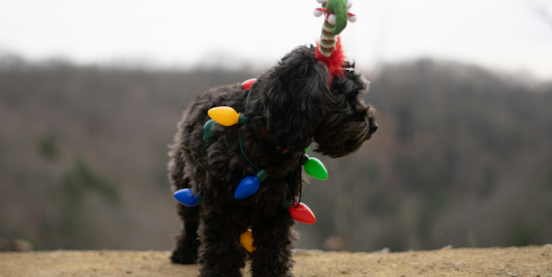
Black Cockapoo
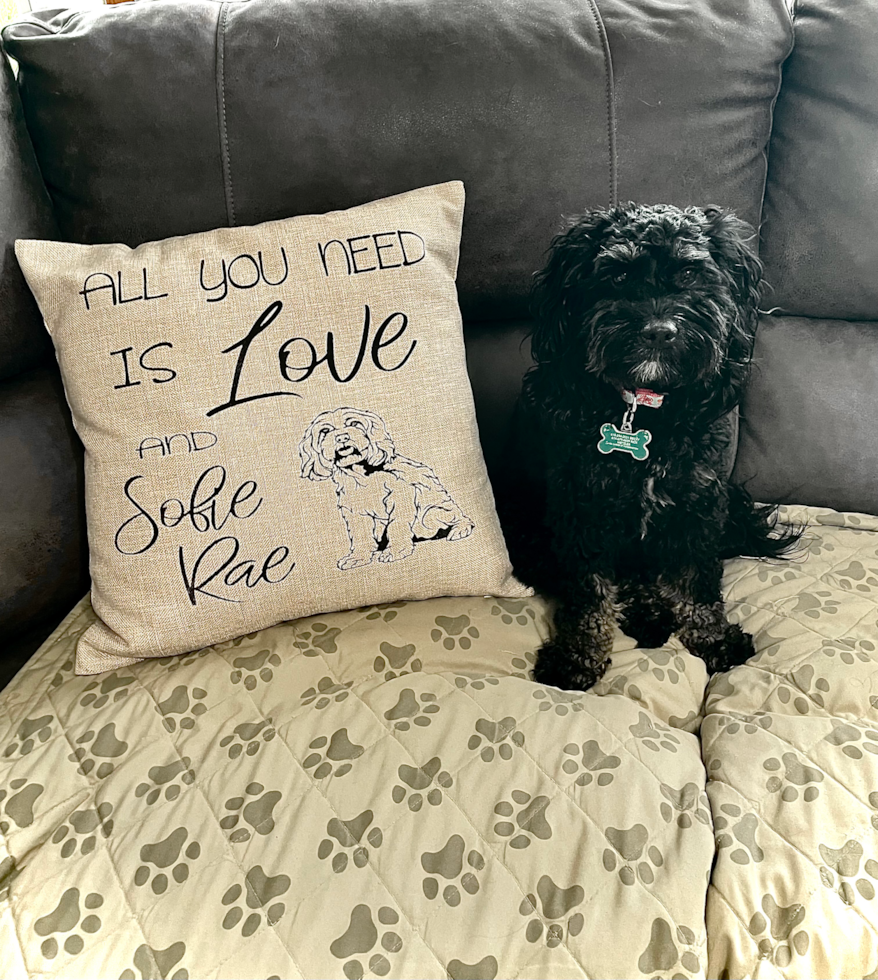
Black Cockapoos have a deep, even coat that often stays consistent as they mature. In many cases, black is one of the more stable Cockapoo colors. The coat can appear glossy when brushed regularly and kept at a moderate length.
Compared to lighter shades, black tends to show less visible staining around the eyes and mouth. Some dogs may develop a slightly softer tone with age or sun exposure, but significant fading is less common.
Explore the full guide: Meet The Black Cockapoo: Pictures, Color Fading +More
White Cockapoo
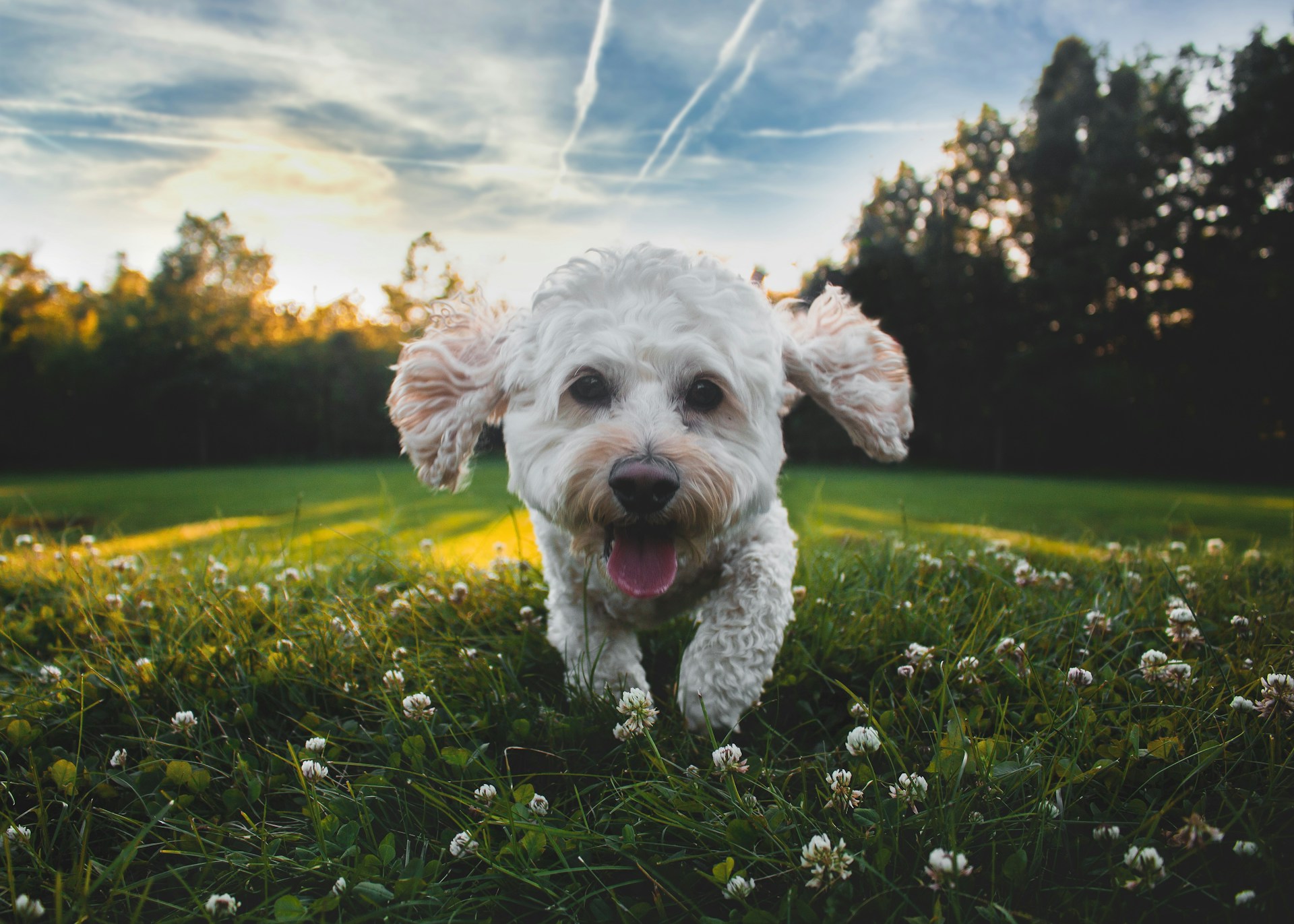
White Cockapoos have a bright coat that stands out quickly. The shade can range from pure white to a softer cream-white depending on genetics. While the color itself usually remains stable, lighter coats tend to show everyday marks more easily.
Areas around the eyes and mouth may require regular cleaning to maintain a clear appearance. With consistent grooming, white coats keep their brightness. Many people choose white for its clean, light look, knowing that upkeep plays a role in maintaining that appearance.
Explore the full guide: White Cockapoo Guide: See Pictures, Grooming, Cost +more
Tan Cockapoo
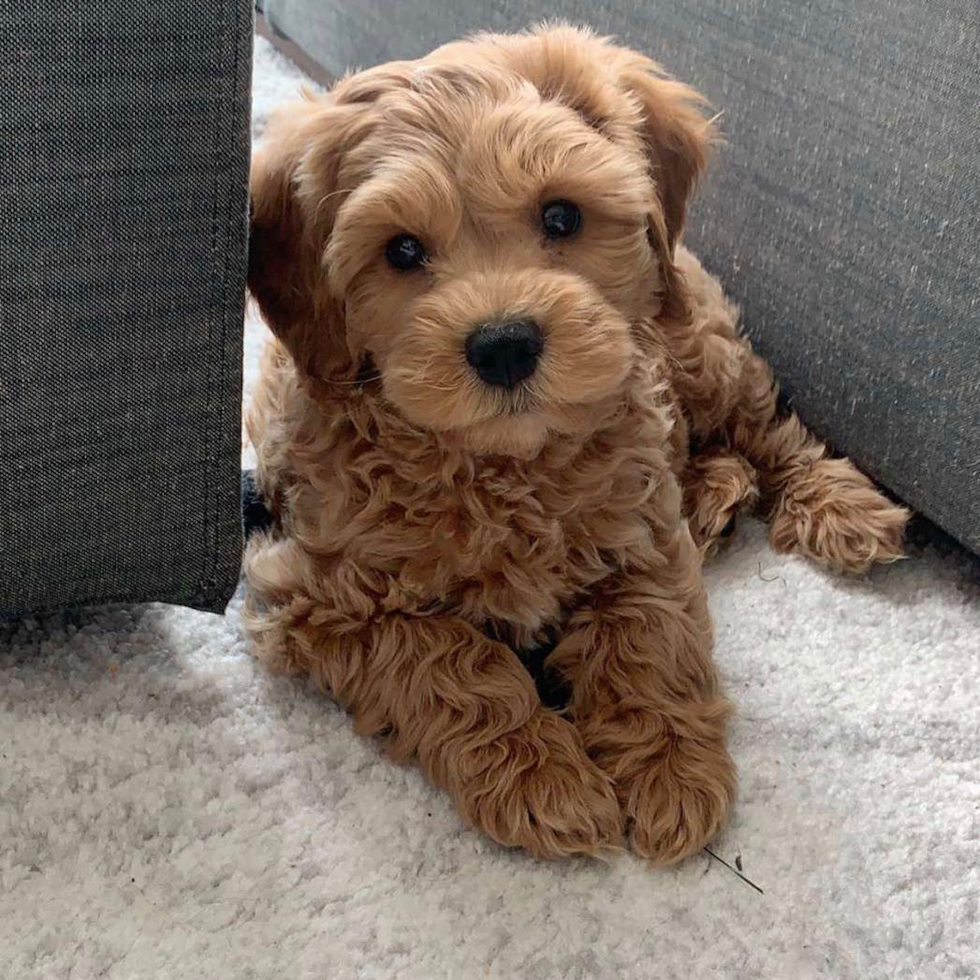
Tan Cockapoos fall between cream and deeper brown tones. The shade often appears warm and balanced. Some tan coats remain steady as the puppy grows, while others may lighten slightly during the transition from puppy coat to adult coat.
The final tone depends largely on inherited traits. In some cases, tan leans toward a lighter beige. In others, it keeps a richer warmth. For those comparing Cockapoo coat colors and looking for something between very light and very dark, tan feels like a comfortable middle ground.
Explore the full guide: Tan Cockapoo Guide: Color, Pictures, Cost +more
Apricot Cockapoo
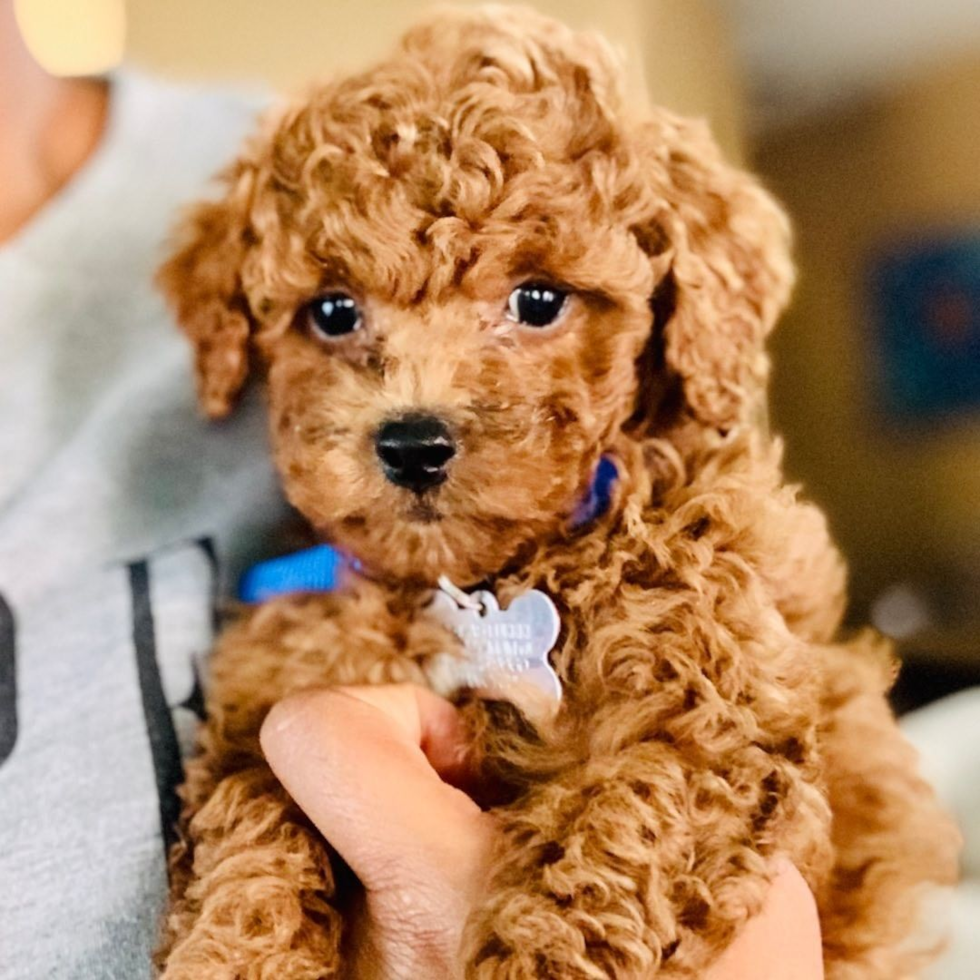
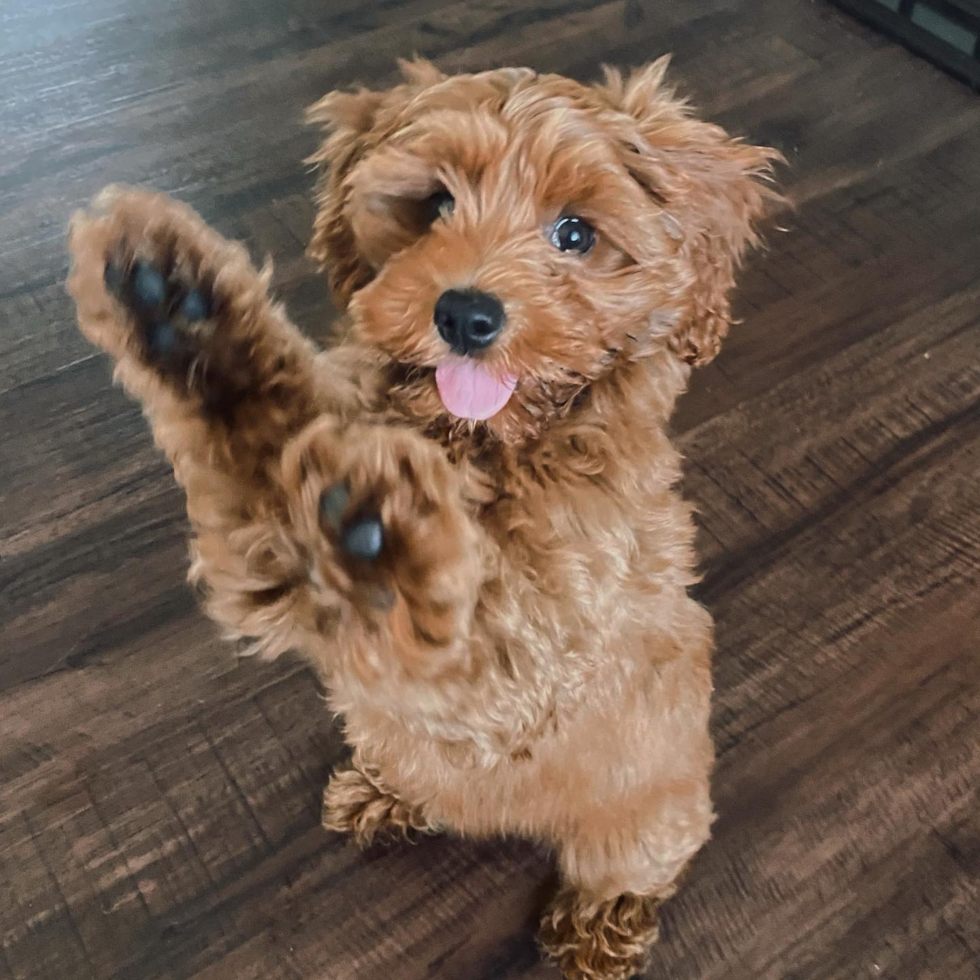
Apricot is one of the most requested Cockapoo colors. The shade can range from soft peach to a deeper golden tone. Many apricot puppies appear slightly darker at first, then lighten gradually during the first year.
This shift is common and part of normal coat development. The original shade remains recognizable as the coat matures. Anyone considering apricot should keep this natural transition in mind when evaluating early photos.
Explore the full guide: Apricot Cockapoo Guide: Color, Cost, Pictures +More
Brown or Chocolate Cockapoo
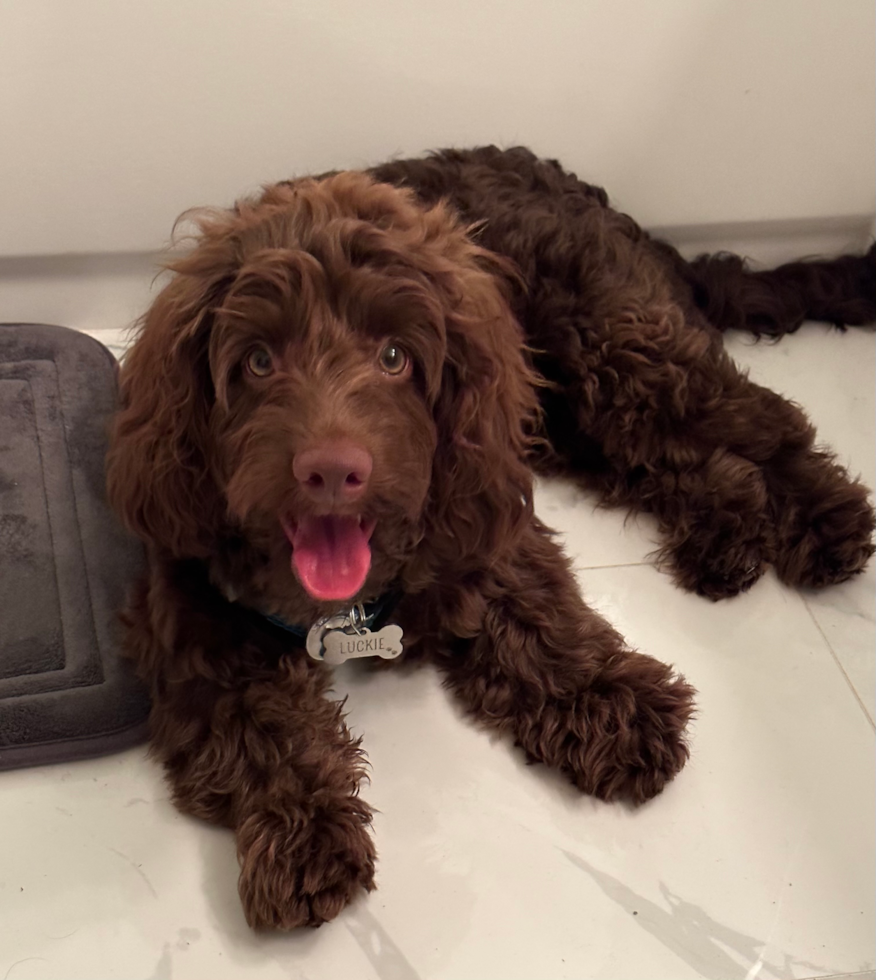
Brown has a rich, warm tone. The shade can appear deep and even, especially in tighter curls. In looser coats, the color may reflect slightly lighter.
Some brown coats soften as the dog matures, though the change is usually gradual rather than dramatic. For those who prefer a darker coat without choosing black, chocolate often provides that balance.
Explore the full guide: Brown Cockapoo: Guide to all Shades of Brown
Merle Cockapoo
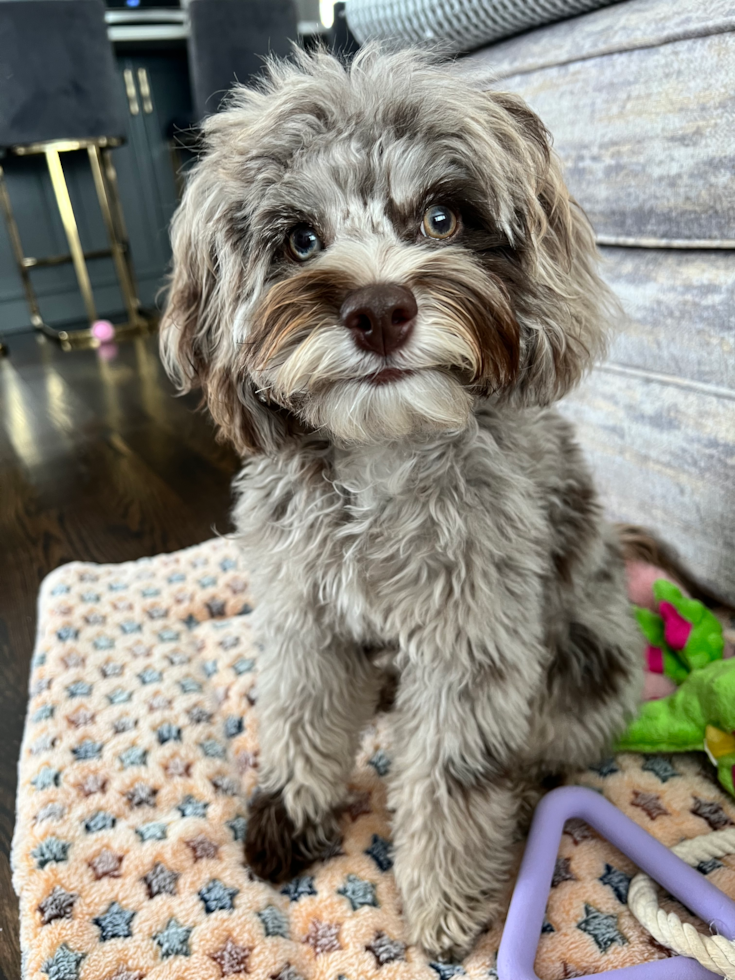
Merle Cockapoos differ from the other colors in this Cockapoo list because merle describes a pattern rather than a single shade. The base color may vary, but the defining feature is the marbled blending of lighter and darker tones across the coat.
Each merle pattern develops uniquely. No two coats distribute color in exactly the same way. When evaluating merle, it helps to look at the overall balance of the pattern rather than focusing on one specific tone.
Explore the full guide: The Merle Cockapoo: Expert Guide to Blue and Chocolate Merle Coats
Cockapoo Coat Patterns and Markings
Color is only part of the picture. Patterns and markings can change how a Cockapoo’s coat looks, even when the base shade is the same. Two puppies described as apricot or brown may appear noticeably different once markings are taken into account.
Parti Color
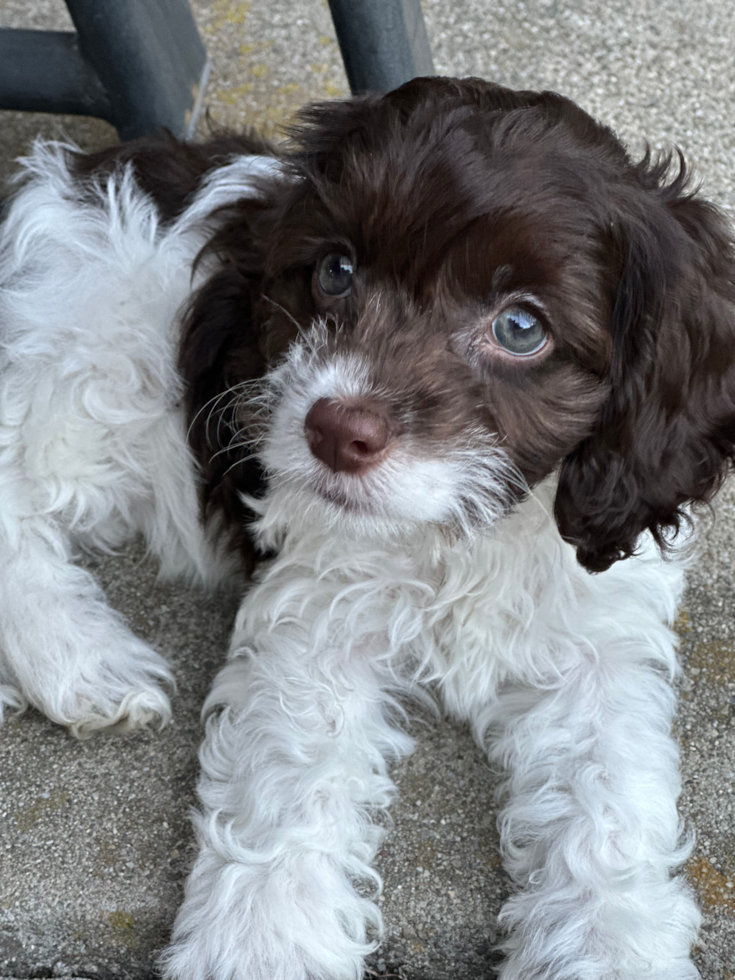
A parti Cockapoo shows white alongside another color in clearly separated areas. The second shade may be black, brown, apricot, or tan, but the white forms a visible portion of the coat rather than appearing as a small accent. In some dogs, white covers larger sections of the body. In others, it appears more evenly distributed. The defining feature is the contrast between white and the base color.
Phantom Marking
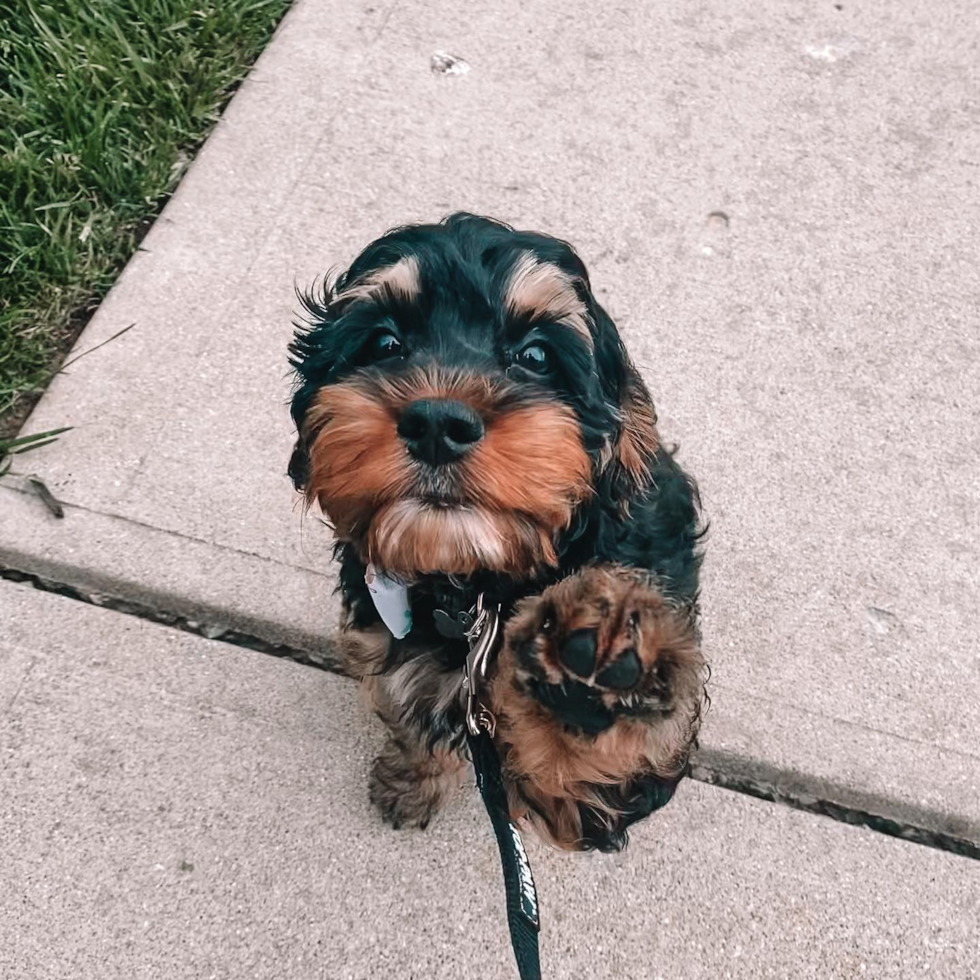
Phantom markings follow a more consistent layout. A darker base is paired with lighter points that appear in specific places, often above the eyes, across the chest, along the legs, and beneath the tail. The placement tends to remain structured as the dog matures, even if the intensity of the color softens slightly. Because of this arrangement, phantom coats look more defined than other patterns.
Merle Pattern
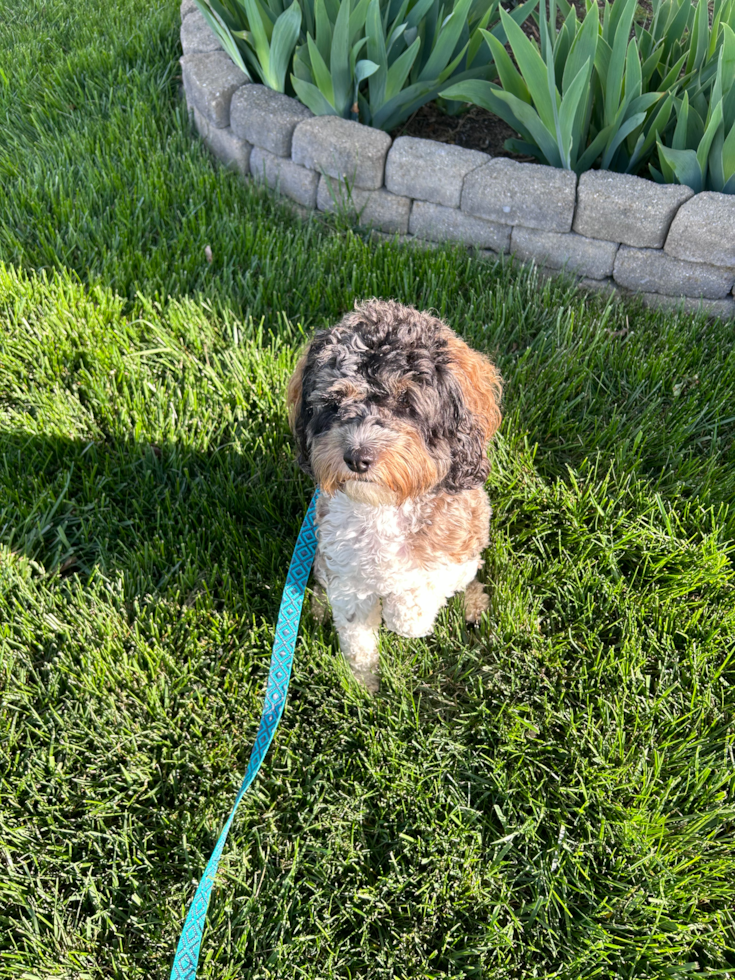
The merle pattern creates a blended effect rather than clear sections. Lighter and darker tones mix across the coat in a marbled appearance. The base color may vary, but the pattern distributes pigment unevenly across the body. No two merle coats look exactly alike, even within the same litter.
When comparing Cockapoo coat patterns, the base shade remains important, but the way color is arranged across the body can shape the overall impression just as much.
RELATED: Cockapoo Breed Information – Everything you need to know about Cockapoos
How Cockapoo Colors Change Over Time
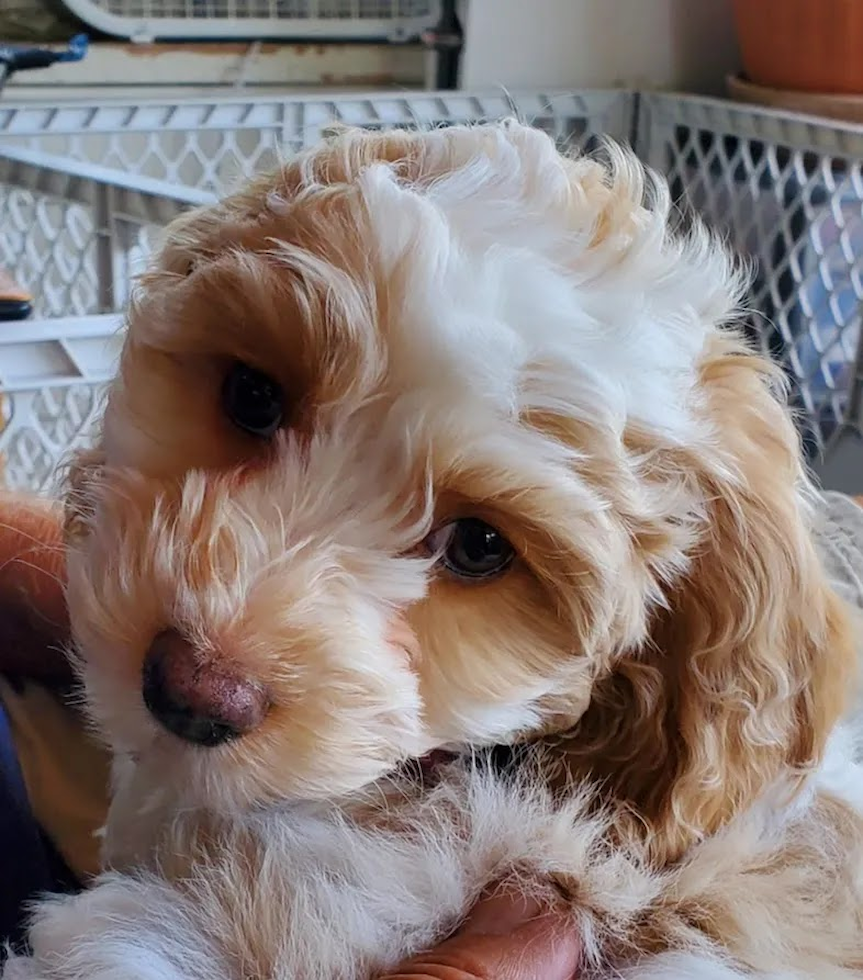
Color in a Cockapoo does not always stay exactly as it appears in the first few weeks. Some coats hold their tone with very little change. Others soften or lighten gradually as the puppy matures. This shift is common in poodle mixes and happens as the coat develops into its adult texture.
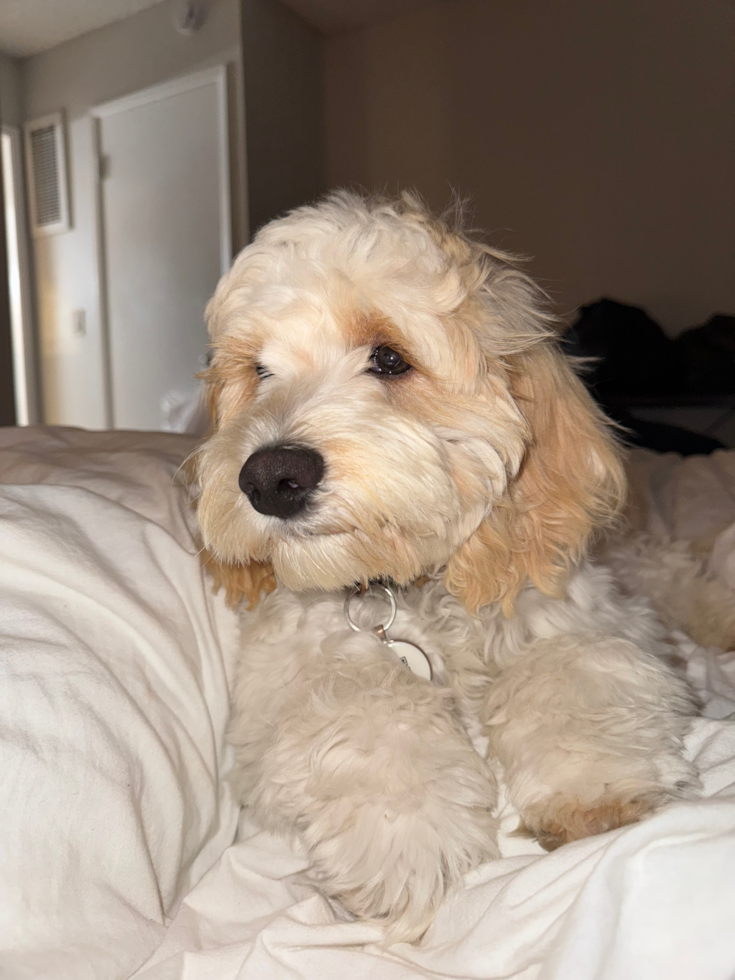
Apricot and tan Cockapoo coat colors often show the most noticeable transition. A deeper shade in early puppyhood may become lighter as the coat moves from its initial texture into its adult form. The change usually happens slowly during the first year. Some apricot coats move toward a lighter cream tone. Others keep a warm, golden look but appear softer than they did at eight weeks. Tan coats can follow a similar pattern, depending on how the underlying pigment develops.
Brown or chocolate Cockapoos may also shift, though the difference is typically more subtle. A rich chocolate color can settle into a slightly warmer tone as the coat matures. This doesn’t occur in every case, and the degree of change varies from one dog to another. Black coats tend to be more stable, though even black can appear a touch softer as the coat grows out and is exposed to light and regular grooming.
Sunlight can influence how color looks between grooming appointments. Extended exposure may lighten the surface of the coat, particularly in warmer shades such as apricot, tan, and brown. This doesn’tchange the base color itself, but it can affect how the coat appears in everyday settings. Coat texture also plays a role. A tighter curl can make pigment look deeper and more concentrated, while a looser wave reflects more light and may give the same shade a softer appearance.
Because these changes happen gradually, early puppy photos don’t always represent the final adult shade. The color usually stays within the same range, even if the tone softens.
RELATED: Everything You Need To Know About Puppy Color Changes
Rare Cockapoo Colors
Beyond the more familiar shades, there are several Cockapoo colors that appear less or are described with terms that aren’t always used consistently. These coats still fall within the broader range seen across the breed, but they tend to show up in smaller numbers or under different names depending on how the color presents as the puppy grows.
Sable
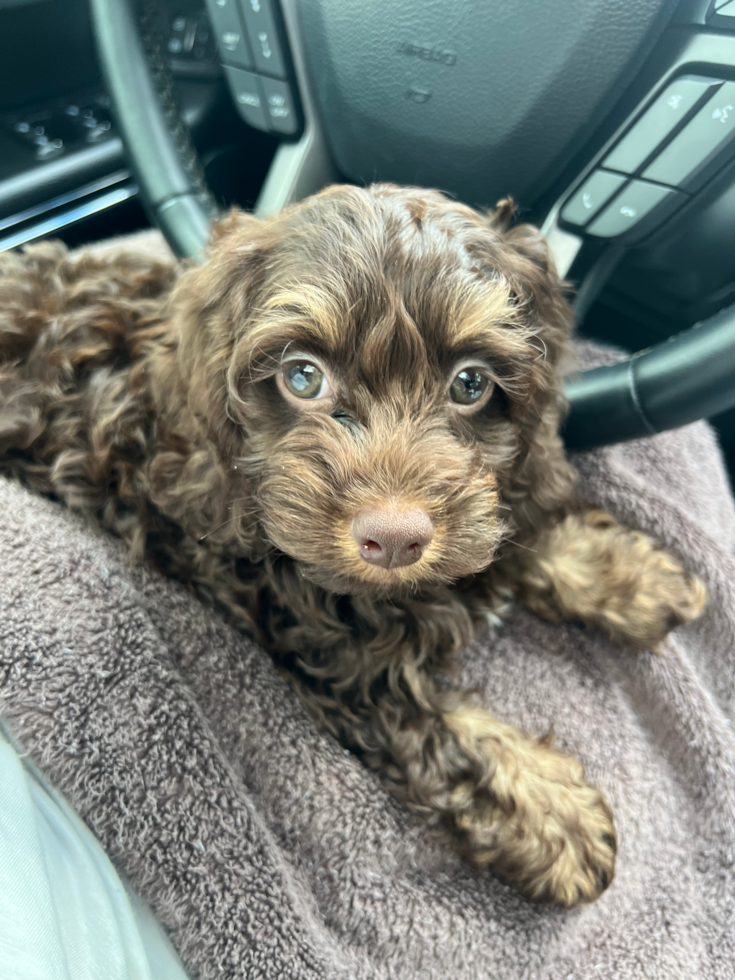
Sable Cockapoos have a coat in which individual hairs carry more than one shade. The base color may appear lighter, with darker tips layered over it. In early puppyhood, this can make the coat look deeper overall. As the adult coat comes in, the darker overlay may soften, revealing more of the underlying tone. Because of this shift, sable often appears darker in early photos than it does later on.
Cream
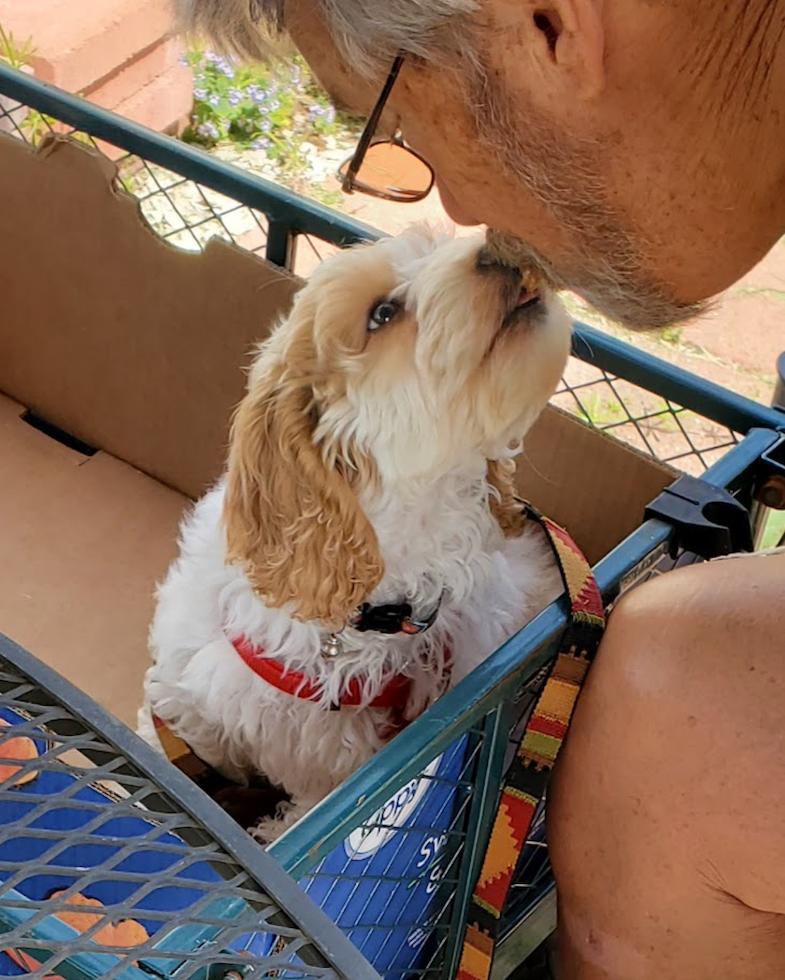
Cream Cockapoos sit between white and apricot. Some appear very pale from the beginning, while others lighten into a cream tone as they mature. Cream is sometimes confused with white, especially in young Cockapoo puppies whose coats have not fully developed. The difference becomes clearer over time as the texture changes and the underlying warmth settles.
Champagne
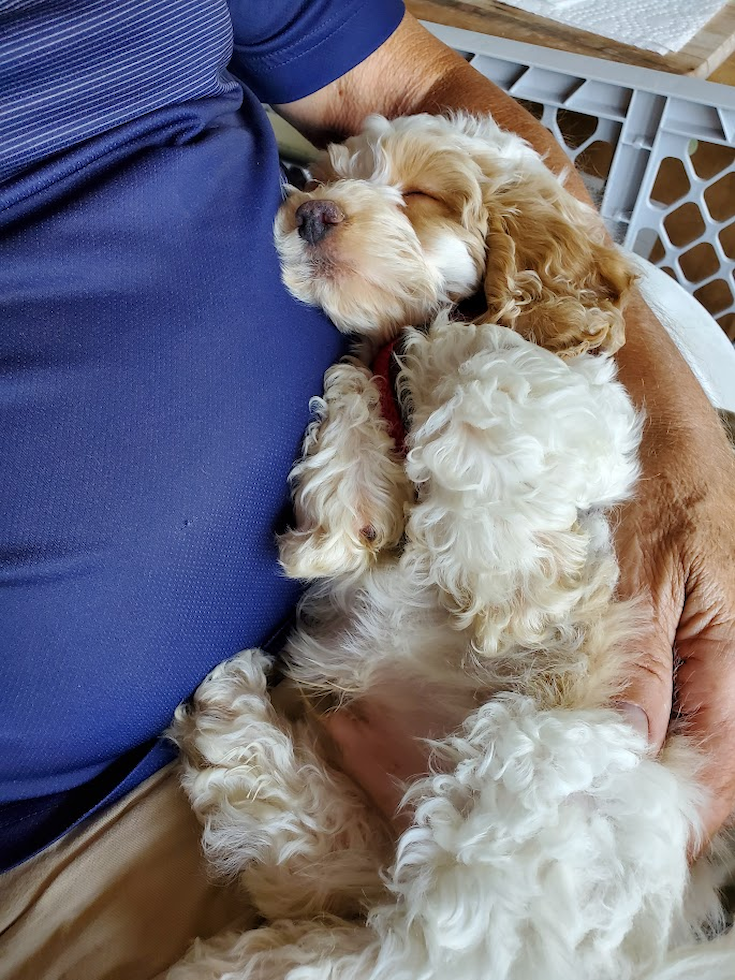
Champagne and caramel are terms often used to describe warm, light brown shades that don’t fit neatly into apricot or chocolate categories. These coats usually appear soft and even, with more warmth than cream but less depth than traditional brown. The exact tone can vary depending on how the color develops during the first year.
Café au lait

Café au lait refers to a diluted brown shade that looks lighter than chocolate but deeper than cream. It remains within the brown family while carrying a more muted appearance. In some cases, this tone becomes more recognizable as the adult coat replaces the initial puppy coat.
These shades are often included in searches for rare Cockapoo colors, even though they fall within standard color families. The difference usually comes down to subtle variation rather than an entirely separate category. As coats mature and settle into their adult texture, these distinctions become easier to see.
Color and Grooming Considerations
Coat color does not always change how often a Cockapoo needs grooming, but it can influence how that grooming shows day to day. Some shades make certain details more visible between brushing and trimming appointments.
Lighter Cockapoo coat colors, including white, cream, and very light apricot, tend to reveal moisture around the eyes and mouth more easily. Tear staining or everyday dirt can appear more noticeable against a pale background. Gentle face cleaning and consistent brushing help maintain an even appearance, particularly around the muzzle and paws.
Darker shades, such as black and chocolate, often conceal minor staining more easily. At the same time, dust, dander, or loose hair may stand out more clearly in bright light, especially when the coat grows longer between trims. Regular brushing keeps the coat smooth and helps maintain depth of color from one grooming visit to the next.
Texture plays a role as well. A tighter curl can hold its shape and color density longer between grooming appointments. A looser wave reflects more light and may make subtle shifts in shade easier to see. Grooming length influences this effect. Shorter trims tend to keep color looking more uniform, while longer coats can show slight variation across the body.
These differences do not require entirely different grooming routines, but they can affect how a Cockapoo’s color appears as the coat grows and is maintained over time.
RELATED: Top 12 Pros and Cons of Owning a Cockapoo
Which Cockapoo Color Is Right for You?
When people compare Cockapoo colors, the decision often starts with appearance. Some are drawn to lighter shades that feel soft and bright. Others prefer darker tones that appear deeper and more uniform. Patterns and markings can also influence that first impression, even when the base color is the same.
Color preferences vary, but long-term appearance usually becomes part of the conversation. Some Cockapoo coat colors stay close to their early puppy shade. Others may lighten slightly as the coat matures. Texture, grooming length, and daily conditions can also influence how a color looks from week to week.
Practical details sometimes shape the choice as much as the shade itself. Lighter coats may show small marks more clearly. Darker coats can appear more consistent but may reflect dust or surface changes differently in certain lighting. These differences don’t change the dog, but they can affect how the coat presents over time.
Availability may also play a role. Some colors appear more frequently across litters, while others are seen less often. In most cases, the early puppy color remains within the same family as the adult coat, even if the depth softens slightly.
For many people, choosing between Cockapoo colors becomes a balance between personal preference and understanding how that color develops. Looking at the full range and knowing what to expect over time makes the decision feel more straightforward.
Scroll down to see FAQs about Cockapoo colors.
Elena R.
About The Author
Elena is a leading expert in the field of dog behavior, care, and training, with over a decade of experience in writing about dogs. As a published writer and lifelong dog enthusiast, Elena currently shares her home with three beloved canine companions. She is dedicated to staying up to date on the latest advancements in dog care and training, ensuring that her articles provide readers with accurate and valuable insights. With her extensive knowledge and passion for all things canine, Elena's contributions to the Premier Pups community offer both expertise and authority on a wide range of dog-related topics.
What To Read Next
White Cockapoo Guide: See Pictures, Grooming, Cost +more
White Cockapoos are easy to recognize and often one of the first colors people ask about. They stand out for their bright, clean coats and for how clearly the texture of the hair shows - every wave, curl, and line is visible. The color looks simple, but there’s... Read More
Meet The Black Cockapoo: Pictures, Color Fading +More
Black Cockapoos are instantly recognizable for their deep, glossy coats and bright, intelligent expressions. They carry the same affectionate nature that defines all Cockapoos but bring a certain elegance that sets them apart. The contrast of their dark coat with... Read More
Frequently Asked Questions
Do Cockapoo puppies change color as they grow? Some do. Apricot, tan, and certain brown coats may soften or lighten during the first year as the puppy coat transitions into the adult coat. The color family usually stays the same, even if the depth changes. Black and darker coats tend to remain more consistent, though sunlight and grooming length can affect how the color appears.
What is the rarest Cockapoo color? Rarity can vary from one litter to another, but patterns like merle or sable tend to appear less than solid shades. Some lighter brown tones, including champagne or café au lait, also show up less frequently. Availability depends on genetics within each litter rather than demand alone.
Why do some Cockapoo colors fade? Color changes are often tied to inherited traits from the poodle side. As the coat matures, pigment can soften, especially in warmer tones like apricot or tan. Sunlight and coat texture can also influence how a shade looks over time. Fading in this context refers to a natural shift in tone rather than a loss of color quality.
Does coat color affect temperament? Color does not influence temperament. Personality comes from a mix of genetics, early environment, and socialization. Two puppies with different coat colors can have very similar temperaments if their upbringing and breeding background are alike.
Are some Cockapoo colors easier to maintain? Grooming routines remain similar across colors, but certain shades make small details more visible. Lighter coats can show marks around the eyes or mouth more easily and may benefit from regular wiping. Darker coats can show dust or loose hair between brushing sessions. Regular grooming keeps any color looking even.
How can I tell what color my Cockapoo will be as an adult? Early photos give a good starting point, but the final shade may be slightly lighter or softer once the adult coat comes in. Looking at photos of puppies at eight weeks alongside adult photos can provide a clearer sense of how color develops over time.