





Published Wednesday, December 24, 2025 by Elena R. in Dog Grooming, Popular Dogs
Cockapoos have earned a strong reputation as allergy-friendly dogs, often listed among the breeds that shed the least. Their soft, often curly coats come from their Poodle parent, while their warmth and adaptability trace back to the Cocker Spaniel. Families looking for a dog that’s gentle, affectionate, and easier on allergy sufferers often start here.
The truth, though, is that no dog is ever completely hypoallergenic. Every breed produces proteins that can cause allergic reactions in sensitive people, and the Cockapoo is no exception. What sets them apart is that they shed less hair and skin dander than many dogs, which means fewer allergens spread around the home.
In most cases, Cockapoos shed very lightly. The amount depends on genetics, coat type, and grooming habits. A Cockapoo with more Poodle-like curls tends to lose less hair than one with a wavier, Spaniel-type coat. Regular brushing, bathing, and coat care help keep loose hair to a minimum and maintain a clean, low-dander home environment.
For many people with mild allergies, these differences make life with a Cockapoo manageable and comfortable. They still need attention and grooming, but their coats rarely create the heavy shedding that drives allergy symptoms in other breeds. Understanding why and how this happens helps potential owners make a realistic, informed decision before bringing one home.
Table of Contents
- Understanding What “Hypoallergenic” Really Means
- Do Cockapoos Shed? The Real Answer
- What Causes Allergies - It’s Not Just the Hair
- Managing Shedding and Allergens in Daily Life
- Are Cockapoos a Good Choice for Allergy Sufferers?
- Cockapoo Shedding vs Other Doodle Breeds
- Final Thoughts: Low-Shedding, Allergy-Friendly, and Lovably Real
Understanding What “Hypoallergenic” Really Means
The term hypoallergenic is often used to describe dogs that are less likely to trigger allergies, but it’s important to understand what that actually means. No breed is completely free of allergens. All dogs produce proteins that can cause allergic reactions. These proteins are found in dander, saliva, and even small flakes of skin that fall away during grooming or play.
What makes some dogs easier to live with for allergy sufferers isn’t an absence of allergens, but a difference in how much they release into their surroundings. Breeds described as hypoallergenic typically shed less hair and dander, which helps reduce how far those particles spread. According to research and breed registries such as the AKC, this lower shedding is what gives certain dogs their reputation as allergy-friendly.
It’s also worth noting that allergic reactions vary from person to person. Some people may feel little to no irritation around a low-shedding dog, while others might still react to small traces of dander or saliva. For most allergy-prone families, the goal isn’t to eliminate allergens entirely but to choose a dog that produces fewer of them and to maintain regular grooming and cleaning routines to keep the home environment comfortable.
Why Cockapoos Are Often Called Hypoallergenic
Cockapoos owe much of their hypoallergenic reputation to their Poodle ancestry. The Poodle’s coat is dense, curly, and low-shedding, trapping most loose hairs before they fall. When these traits pass to a Cockapoo, they help limit the spread of dander and hair that often cause allergic reactions. This makes many Cockapoos easier to live with for people who experience mild allergies.
Still, not all Cockapoos are the same. Their coats can range from tight curls to loose waves, depending on which parent’s genetics are stronger. A Cockapoo with more Poodle-like curls will usually shed very little, while one with a straighter, Spaniel-type coat may release more hair. Responsible breeders pay attention to these coat variations and can often give guidance on which Cockapoo puppies are more likely to have allergy-friendly coats.
RELATED: Poodle Mixes 101: An Introduction To Doodles
Do Cockapoos Shed? The Real Answer
Cockapoos are often described as low-shedding dogs, and that description is accurate, but not absolute. Every Cockapoo sheds to some degree, though the amount is usually very light compared to most breeds. The Poodle influence in their genetics keeps hair growth steady and prevents the heavy seasonal shedding that many owners want to avoid.
Owners often say that their Cockapoo’s shedding is so minimal it’s barely noticeable. A few loose hairs may appear on a brush or on clothing, but not in the quantities seen with breeds that shed year-round. Most of what comes loose stays caught within the coat until brushing, which is why consistent grooming matters so much. A brushed and well-kept Cockapoo will leave very little trace of hair around the home.
That said, not all Cockapoos are the same. Some shed a bit more than others, depending on coat texture and generation. A wavier or straighter coat, inherited from the Cocker Spaniel side, will release more hair than one with tighter Poodle curls. Even then, the shedding is moderate and manageable, especially with a regular grooming routine.
Cockapoos fall into the same general category as other low-shedding dogs like Poodles, Bichons, and Portuguese Water Dogs. They aren’t non-shedding, but their coats make living with them much easier for families who want a clean home and fewer allergy triggers.
How Coat Type Affects Shedding
Cockapoos come in three main coat types, each shaped by which parent’s traits are stronger.
- Curly Coat – This coat is the closest to the Poodle’s. The curls are tight, dense, and soft. It traps most loose hair, which means almost no visible shedding. Owners of curly-coated Cockapoos often describe brushing as the only time they notice any hair coming out. This coat type is the best option for allergy-prone homes.
- Wavy Coat – The most common Cockapoo coat, a mix of Cocker and Poodle influence. The waves allow a little more shedding than the curly type, but still far less than typical shedding breeds. Regular brushing two or three times a week keeps this coat clean and smooth while minimizing dander.
- Straight Coat – The least common and the most Spaniel-like coat. It’s lighter and silkier, with more visible shedding. This type requires more frequent grooming to control loose hair and reduce allergens. Owners with mild allergies may find this coat less ideal, though still manageable with care.
While coat type plays the biggest role, grooming frequency and home environment matter just as much. Even curly-coated Cockapoos can shed more if their fur becomes matted or dry, which is why consistent brushing and balanced nutrition are key to keeping shedding under control.
Cockapoo Generations and Shedding
A Cockapoo’s generation also affects how much it sheds. Breeders use generation labels to describe how closely related a dog is to its Poodle or Cocker Spaniel lineage. The more Poodle influence, the lower the typical shedding.
| Generation | Parentage | Typical Shedding Level | Notes |
| F1 | 50% Poodle × 50% Cocker Spaniel | Moderate | May have wavy or straight coats with some shedding. |
| F1b | F1 Cockapoo × Poodle | Very Low | More Poodle genetics mean tighter curls and minimal shedding. Often the best choice for allergy-prone homes. |
| F2 | Two Cockapoos bred together | Variable | Coat type and shedding depend on which traits each puppy inherits. Can range from low to moderate. |
Most allergy-sensitive owners choose F1B Cockapoos because they tend to have the most predictable, low-shedding coats. Still, coat maintenance makes all the difference. Brushing a few times a week and professional grooming every few months keeps even wavier coats manageable.
Cockapoos shed less than many breeds, but the key is balance - good genetics, regular care, and realistic expectations. They aren’t completely free of shedding, yet for most families, the trade-off is small compared to the comfort and companionship these dogs bring.
RELATED: What is the Difference between F1, F1B and F2 Mixed Breed Generations?
What Causes Allergies - It’s Not Just the Hair

When people react to dogs, it’s natural to assume the fur is to blame. In reality, the problem comes from what’s on the hair, not the hair itself. The main allergy triggers are proteins found in a dog’s dander, saliva, and sometimes even urine. These proteins attach to tiny flakes of skin and to the oils that coat each strand of hair. As the dog moves through the home, those particles spread into the air and onto surfaces.
This is why a low-shedding dog like a Cockapoo can still cause symptoms in people who are highly sensitive. Even though they release fewer hairs, they still produce the same proteins as every other dog. The difference lies in quantity - less shedding and less dander mean fewer allergens floating through the home. For many allergy sufferers, that reduction is enough to make living with a Cockapoo comfortable.
Scientists and veterinary experts agree that no breed is completely hypoallergenic but breeds that shed less tend to create fewer problems. The Cockapoo’s coat helps contain loose hair and dander, so there’s less chance of those proteins becoming airborne. Regular grooming, bathing, and cleaning help reduce them even further, creating a space where both people and dogs can coexist comfortably.
It’s also important to understand that allergic reactions are highly individual. Some people experience no reaction at all around a Cockapoo, while others may notice mild irritation after close contact. Sensitivity depends on each person’s immune system, the specific proteins they react to, and the environment they live in.
RELATED: How Often Should You Bathe Your Dog? A Comprehensive Guide
Managing Shedding and Allergens in Daily Life
A Cockapoo’s coat may shed lightly, but regular care makes a clear difference in how much hair and dander end up around the home. The goal isn’t to eliminate allergens completely (that isn’t possible) but to reduce them to levels that stay comfortable for everyone.
A consistent grooming routine helps control both shedding and dander. Brushing removes loose hair before it can spread, while regular bathing clears away dust, oils, and allergens that cling to the coat. For most Cockapoos, this combination keeps the coat clean, the skin healthy, and the air in the home noticeably fresher.
Beyond grooming, a few small habits go a long way in maintaining an allergy-friendly home. Using washable fabrics for bedding and furniture covers helps trap less dander, while keeping floors vacuumed and surfaces dust-free limits buildup. A vacuum with a HEPA filter can remove fine particles from carpets and upholstery that ordinary vacuums miss. In homes where allergies are moderate, an air purifier in the main living area can help keep things balanced.
Ventilation also plays a quiet but important role. Allowing fresh air to circulate reduces the concentration of allergens indoors.
Best Grooming Schedule for a Low-Shedding Cockapoo
Cockapoos do best with steady, gentle coat care. Weekly brushing is the foundation. It loosens trapped hair, distributes natural oils, and prevents tangles from forming. A soft-bristle or slicker brush works well for most coat types, especially those with tighter curls that tend to hold onto loose hairs.
Bathing every three to four weeks keeps the coat fresh without stripping it of essential oils. Use a mild, dog-safe shampoo and rinse thoroughly to avoid residue, which can irritate the skin. After each bath, drying and a light brushing help keep the coat smooth and free of buildup.
Regular trims every six to eight weeks, done at home or by a professional groomer, help maintain coat texture and prevent matting. A clean, well-kept coat releases less dander and traps fewer allergens, which benefits everyone in the home.
RELATED: Grooming your Dog at Home Guide
Are Cockapoos a Good Choice for Allergy Sufferers?
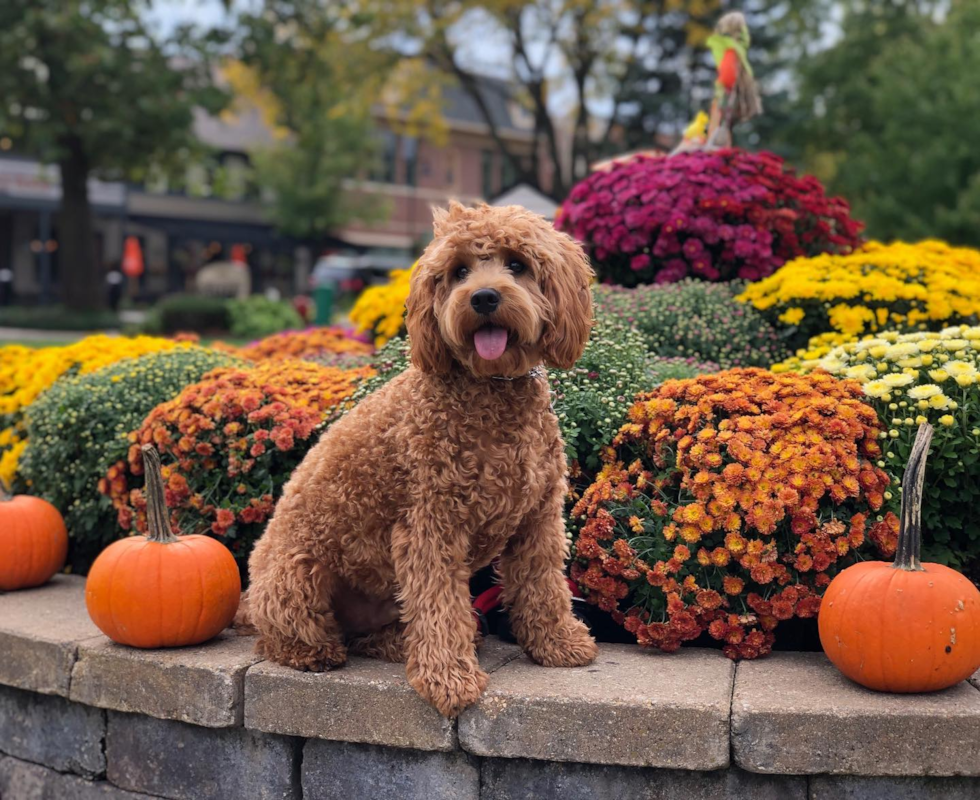
For many families who deal with mild dog allergies, the Cockapoo is often one of the most manageable choices. Their low-shedding coats release fewer allergens into the home, and with steady grooming, they can be kept clean and comfortable without much difficulty. The Poodle influence gives them a natural advantage when it comes to dander control, and their small size makes maintenance easier than with larger breeds.
Still, no two people react the same way. Some allergy sufferers can live comfortably with a Cockapoo, while others may still notice mild irritation. The difference often depends on how sensitive someone is to the proteins dogs produce and how well the home environment is maintained. Regular brushing, bathing, and cleaning reduce allergens, but personal response always varies.
The best way to know if a Cockapoo will be a good fit is to spend time around one before deciding. Visiting a breeder, rescue, or owner and interacting with the dog for a few hours gives a clearer idea of how your body will react. Short visits in different settings like indoors, outdoors, during play, and quiet time offer the best sense of comfort.
If the reaction is mild or non-existent, consistent grooming and simple cleaning routines can keep symptoms under control long-term. If sensitivity remains strong even with low-shedding dogs, it’s better to know before making the commitment.
For most allergy-prone families, Cockapoos strike the right balance. They’re affectionate, manageable, and among the least problematic breeds for those with mild allergies.
RELATED: Top 12 Pros and Cons of Owning a Cockapoo
Cockapoo Shedding vs Other Doodle Breeds

When compared with other popular Doodle puppies, the Cockapoo stands out for being one of the lighter shedders. Their smaller size and frequent inheritance of tight Poodle curls help keep loose hair to a minimum. While no Doodle is entirely free from shedding, the Cockapoo’s coat tends to release less hair and dander than most.
Among similar breeds, the Cavapoo is the closest match. Both mixes share the Poodle’s low-shedding coat and a similar grooming routine. The main difference comes from size and coat density. Cavapoos often have a slightly silkier coat, while Cockapoos can have a bit more volume, especially in the curlier types. In day-to-day life, their shedding levels are nearly the same.
Doodles like Labradoodles and Goldendoodles usually shed more simply because they have more hair. Even with strong Poodle genetics, their coats require more upkeep, and when shedding does occur, it’smore noticeable. The Cockapoo’s smaller frame and shorter coat make care easier and reduce how much hair collects around the home.
For allergy-prone families, these differences matter. A Cockapoo provides much of the same charm and intelligence that Doodles are known for but in a smaller, lower-maintenance package. Their coat manages to balance softness, curl, and control better than most other mixes, which is why they remain one of the most allergy-friendly choices among the Poodle crosses.
RELATED: Comparing Doodle Puppy Breeds: Which One is Right for Your Family?
Final Thoughts: Low-Shedding, Allergy-Friendly, and Lovably Real
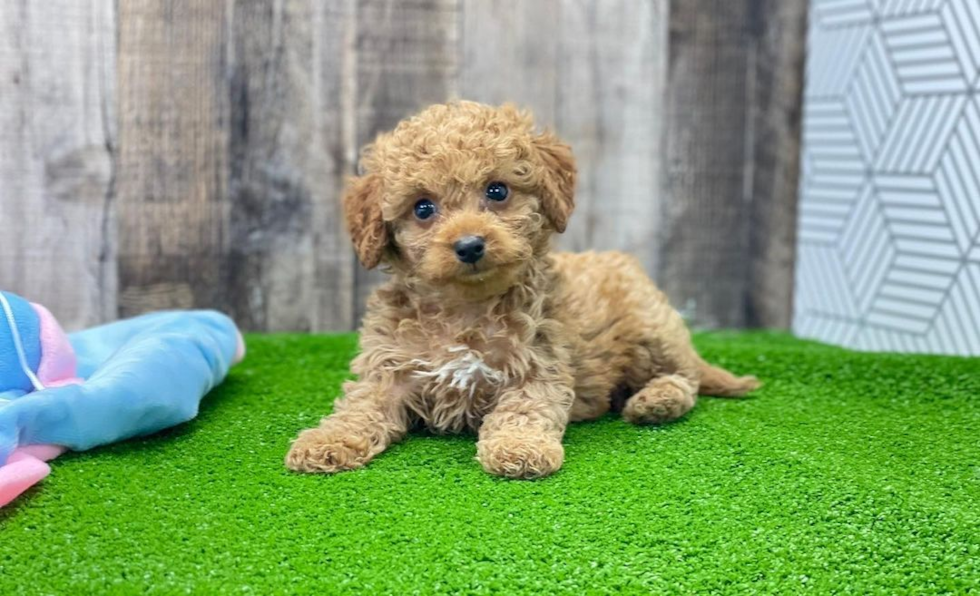
Cockapoos continue to earn their reputation as one of the most allergy-friendly dogs you can welcome into a home. Their low-shedding coats, inherited from the Poodle side of their lineage, make them easier to live with for many allergy sufferers. With consistent grooming, a balanced routine, and a clean environment, the amount of dander and loose hair stays low enough that most families hardly notice it.
Still, it’s important to keep expectations realistic. No breed is completely hypoallergenic. Every dog produces small amounts of allergens in its skin and saliva. What makes the Cockapoo special is that it minimizes the impact through its coat type and easy maintenance. For most people, this difference is enough to make daily life comfortable and enjoyable.
Cockapoos are a hair away from perfect for anyone searching for a dog that’s affectionate, smart, and kind to both the heart and the air you breathe. They may not be completely allergen-free, but they offer something just as meaningful: a warm, loving presence that fits naturally into family life.
Other Cockapoo Articles That Might Interest You
How Long Do Cockapoos Live? Cockapoo Lifespan – A Guide to Longevity
Scroll down to see FAQS about Cockapoo shedding and allergies.
Elena R.
About The Author
Elena is a leading expert in the field of dog behavior, care, and training, with over a decade of experience in writing about dogs. As a published writer and lifelong dog enthusiast, Elena currently shares her home with three beloved canine companions. She is dedicated to staying up to date on the latest advancements in dog care and training, ensuring that her articles provide readers with accurate and valuable insights. With her extensive knowledge and passion for all things canine, Elena's contributions to the Premier Pups community offer both expertise and authority on a wide range of dog-related topics.
What To Read Next
Popular Cockapoo Generations Explained: F1, F1b, F2, Multigen
Cockapoo generations come up in almost every search, yet they’re rarely explained in a way that actually helps. You’ll see terms like F1, F1b, or multigen next to Cockapoo puppy listings. It’s easy to assume that a higher generation means a better... Read More
Top 12 Pros and Cons of Owning a Cockapoo
If you’ve ever met a Cockapoo, you know why people fall for them so easily. They have that unmistakable mix of intelligence and heart. They have alert eyes that seem to catch everything and a temperament that leans toward friendliness almost by default.
The... Read More
Frequently Asked Questions
Are Cockapoos hypoallergenic? Cockapoos are often described as hypoallergenic because they shed very little and produce less dander than most breeds. While this makes them easier for many allergy sufferers to live with, no dog is completely allergen-free. Cockapoos are best considered low-allergen rather than truly hypoallergenic.
Do Cockapoos cause allergies? Any dog can cause allergies in sensitive individuals, including Cockapoos. The difference is that their low-shedding, Poodle-influenced coats reduce how much dander and hair spread through the home. For people with mild allergies, that reduction is often enough to make symptoms minimal or unnoticeable.
Which Cockapoos are hypoallergenic? Cockapoos with curlier, more Poodle-like coats tend to be the most hypoallergenic. These coats trap loose hair and dander, preventing them from circulating in the air. Wavier or straighter coats, which resemble the Cocker Spaniel parent, may shed a bit more and are less ideal for allergy-sensitive homes.
Can allergy sufferers live with a Cockapoo? Many allergy sufferers can live comfortably with a Cockapoo, especially when the dog has a curly coat and receives regular grooming. Consistent brushing, bathing, and cleaning routines reduce allergens in the home. It’s always best to spend time around a Cockapoo before deciding, as reactions vary from person to person.
Do Cockapoos trigger asthma or dog allergies? They can, but less often than many breeds. People with asthma or dog allergies may still react to the proteins found in a Cockapoo’s dander or saliva. The reduced shedding helps lower exposure, but it doesn’t remove it entirely. Meeting a Cockapoo in person is the best way to gauge comfort before bringing one home.
Do Cockapoos shed? Yes, all Cockapoos shed to some extent, but the amount is very light. Most owners notice only a few loose hairs during brushing or grooming. Compared to average-shedding breeds, Cockapoos are much easier to maintain and keep clean.
How much do Cockapoos shed? Shedding levels vary based on genetics and coat type. Curly-coated Cockapoos shed the least, wavy coats shed a little more, and straight coats shed the most. Even then, all three types are considered low-shedding when compared to most dog breeds.
Do Cockapoos shed more than other dogs? No. Cockapoos shed significantly less than most breeds. They lose less hair than Cocker Spaniels, Labradors, and other common family dogs. Their shedding levels are similar to other Poodle mixes like Cavapoos or Maltipoos.
Does a Cockapoo’s hair fall everywhere? Not typically. Most loose hair stays trapped within the coat until it’s brushed out. Regular grooming removes the buildup before it can fall around the house. A well-groomed Cockapoo rarely leaves visible hair on furniture or clothing.
Which Cockapoo coat type is best for allergy sufferers? The curly coat, which most closely resembles a Poodle’s, is best for allergy sufferers. It sheds very little and holds onto loose hairs, reducing dander in the air. People with stronger allergies should look for F1B Cockapoos, which usually inherit more of the Poodle’s low-shedding traits.
Are Cockapoos good for people with mild allergies? Yes. Most people with mild allergies live comfortably with a Cockapoo. Light shedding, regular grooming, and good home ventilation make a noticeable difference in keeping allergens low. Each person’s reaction is unique, but many allergy-prone families find Cockapoos easy to live with.
Do Cockapoos shed seasonally? They can shed a little more during seasonal changes, but the difference is minimal. Unlike heavy-shedding breeds, Cockapoos don’t go through large coat drops. Their shedding stays steady throughout the year when grooming is consistent.
Can you tell if a Cockapoo will shed as a puppy? Not always. A puppy’s coat often changes as it matures. You can get a general idea by looking at coat texture early on - tighter curls usually mean less shedding later. Breeders familiar with their lines can also give insight into what kind of coat to expect.
Are Cockapoos better than Cavapoos for allergies? They’re very similar. Both are low-shedding Poodle mixes with gentle coats that tend to be easier on allergy sufferers. Cockapoos sometimes have a slight edge because of stronger Poodle genetics in certain lines, but either breed can be a good match when properly groomed and cared for.