






Published Friday, December 19, 2025 by Elena R. in Dog Training, Popular Dogs, New Puppy
Spend enough time around Cockapoos, and you start to understand how they use their voice. They don’t bark to fill silence or to get attention for no reason. They bark because something catches their attention. Sometimes it’s a sound outside, a knock at the door, or the sight of a bird in the yard. It’s communication more than noise, a natural part of how they connect with the world around them.
Most Cockapoos are what you’d call moderate barkers. They’re not quiet like some smaller breeds, but they’re far from the nonstop talkers that give small dogs their reputation. When raised in a calm, structured home, they tend to follow the energy of their people. A peaceful house usually means a peaceful Cockapoo. When things get lively, they’ll match that mood with a few cheerful barks, then settle again once the moment passes.
Owners often notice patterns over time like how their Cockapoo gives one short bark to announce a visitor, or how the tone changes slightly when excitement takes over. There’s a rhythm to it, something familiar once you tune in. It’s part of their personality, much like the wag of their tail or the tilt of their head when they listen to you speak.
So, do Cockapoos bark a lot? Not in the way people worry about. They’re vocal enough to let you know what’s happening, but not the kind to make daily life noisy or tense. Their voice carries curiosity, not complaint, a small reminder that they’re alert, engaged, and tuned in to you. With balanced training, companionship, and a bit of patience, most Cockapoos grow into calm dogs whose occasional bark feels more like a conversation than a disruption.
Table of Contents
- A Closer Look at Cockapoo Barking Behavior
- Why Cockapoos Bark: Cockapoo Barking Triggers
- What Owners Say: Real-Life Experiences With Cockapoo Barking
- Training and Socialization: Keys to a Quieter Cockapoo
- How to Tell the Difference Between Normal and Problem Barking in Cockapoos
- Common Myths About Cockapoo Barking
- The Bottom Line: Are Cockapoos Noisy Dogs?
A Closer Look at Cockapoo Barking Behavior
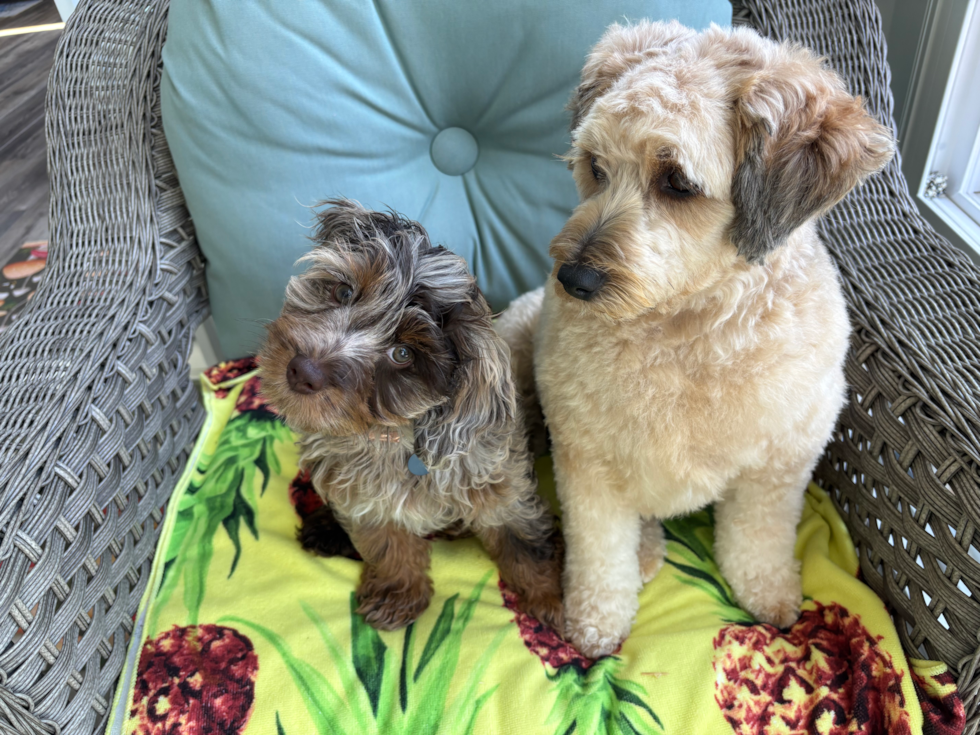
Spend a few days with a Cockapoo and you’ll see that their bark isn’t just noise; it’s personality. They speak up to share what they notice, not to fill the room. Most owners describe their Cockapoo as expressive rather than loud, and that difference matters. A Cockapoo doesn’t bark just to hear itself; it barks to communicate, often with clear purpose.
Many owners say their dogs have a kind of “vocabulary.” One sound for a knock at the door, another for excitement when someone they love comes home. Some even have a playful bark reserved for favorite toys or familiar visitors. The tone changes depending on mood, which tells you a lot about how aware and emotionally tuned-in these dogs can be. That awareness is part of what makes them such steady family companions. They notice, they react, and then they move on.
The idea that Cockapoos are naturally noisy often comes from a small number of young or under-stimulated dogs who haven’t learned when to stay quiet. Like people, Cockapoos need guidance to understand what’s appropriate. With consistency and calm direction, most learn fast. Their intelligence makes it easy for them to pick up patterns and routines, so when they do bark, it’s usually for a reason that makes sense once you’ve lived with them awhile.
Do Cockapoos Bark More Than Other Breeds?
Compared to other small and medium-sized dogs, Cockapoos sit comfortably in the middle of the range. They’re more vocal than a quiet breed like a Shih Tzu but generally less so than many terriers or schnauzers. When compared with other doodle mixes like Cavapoos, Goldendoodles, or Maltipoos, the difference is minimal. What stands out most isn’t volume, but tone and intention.
A Cavapoo, for instance, might bark more out of excitement; a Goldendoodle might bark during play. The Cockapoo tends to bark in short bursts, as if to check in rather than make a scene. Owners who share their homes with multiple breeds often notice that the Cockapoo’s voice carries less edge. It’s softer, lighter, and fades quickly once curiosity is satisfied.
Of course, there are exceptions. A Cockapoo raised in a noisy home or left alone too often can learn to fill the silence. But in most cases, their barking reflects the mood of the household. A calm environment creates a calm dog. And when that balance is there, a Cockapoo’s bark becomes just another part of the rhythm of home - brief, meaningful, and always followed by a wagging tail.
RELATED: Top 12 Pros and Cons of Owning a Cockapoo
Why Cockapoos Bark: Cockapoo Barking Triggers

Every Cockapoo has a voice, but how and when that voice appears depends on what the dog feels in the moment. Barking, for them, is an expression. Once you start paying attention, you can often tell exactly what each sound means. Sometimes it’s alert, sometimes excitement, and sometimes it’s simply their way of filling the quiet.
Over time, owners begin to recognize the rhythm of their dog’s voice. A single bark at a sudden sound. A happy, bouncing flurry when someone steps through the door. A soft, frustrated call when the house feels too still. Each moment tells a little story about what the Cockapoo needs or notices. Most of the time, these bursts pass quickly, leaving behind a calm, watchful dog ready to move on with the day.
Alert Barking
Cockapoos are sharp observers. They notice every small change like a knock, a door closing down the street, the jingle of another dog’s leash outside. Their instinct is to let you know. This alert barking is short-lived and rarely intense. It’s the Cockapoo’s way of saying, “Something’s happening.” Once you acknowledge them or the sound passes, the barking usually stops on its own.
This kind of communication actually shows how connected Cockapoos are to their environment. They feel responsible for their space and their people. When that sense of awareness is met with calm reassurance, they quickly learn that their job is done and peace can resume.
Excitement Barking
Few things capture a Cockapoo’s personality better than an excited bark when joy takes over. It might happen when a favorite person comes home, when the leash appears for a walk, or when playtime starts. This excitement barking isn’t restlessness; it’s emotion in motion. The bark has a lighter sound, often paired with wagging tails, spinning paws, and bright, eager eyes.
It fades fast once the excitement finds its outlet. The key is to let the energy move through. A short greeting, a quick game, or a moment of connection usually resets the tone. For most families, these happy outbursts become part of the home’s rhythm, something that adds life rather than noise.
Boredom and Loneliness
Like people, Cockapoos feel the effects of long, quiet hours. They crave interaction and mental engagement, and when those needs go unmet, they sometimes fill the silence with their own voice. This is boredom barking, often softer and more repetitive than alert barks. It’s their way of saying, “I miss you” or “I need something to do.”
The best way to prevent it is through structure. Consistent walks, puzzle toys, light training sessions, and a bit of company during the day make all the difference. A Cockapoo that feels included rarely turns to barking out of loneliness. They simply want to be part of the flow of life, to hear voices, feel movement, and stay close to the people they trust.
RELATED: Are Cockapoo Good Dogs?
What Owners Say: Real-Life Experiences With Cockapoo Barking

If you ask ten Cockapoo owners whether their dog barks a lot, you’ll probably get ten different stories. Most of them circle around the same truth: Cockapoos bark, but not in excess. Their voices show up in moments that make sense to people who know them well.
One owner described her Cockapoo as “a little watchman with good manners.” She said he gives one sharp bark when someone knocks, then sits by the door, tail wagging, waiting for a guest. Another wrote that her dog barks in greeting when family comes home but stops as soon as the first hug lands. “It’s like he just wants to announce that the pack’s back together,” she said.
In a popular Cockapoo owners’ forum, one post summed it up neatly: “He’s quiet most of the time, unless the mail carrier forgets we exist every single day.” Dozens of people responded with similar laughs, sharing their own small routines - the bark for delivery trucks, the excited chatter when the leash comes out, the gentle woof that means “You forgot my treat.” These are reminders of how emotionally in tune these dogs can be.
Of course, there are outliers. A few owners mention that their Cockapoo went through a phase of barking too much, often as a puppy or during adolescence. Most said it passed once they established a routine. One owner explained it this way: “He barked when he didn’t know what was expected of him. Once we started training every morning, it just stopped happening.”
Others found that adding stimulation like a longer walk, a puzzle toy, or even background music when the house was empty, made all the difference. “He just needed to know the world didn’t go quiet when we left,” one person wrote.
Across hundreds of comments and reviews, a pattern emerges: Cockapoos use their voices to stay connected. They’re not dogs that bark for the sake of noise. They bark when they feel curious, uncertain, or joyful. Owners who take time to understand those triggers often find that the sound of their Cockapoo’s bark fades into the natural rhythm of home life. It’s occasional, familiar, and full of character.
RELATED: Cockapoo Reviews from Customers
Training and Socialization: Keys to a Quieter Cockapoo

A quiet Cockapoo doesn’t happen by chance. It’s the result of clear communication, gentle structure, and trust built over time. These dogs are intelligent and deeply tuned in to the people around them. They don’t just hear your words, they sense your tone, your energy, even the rhythm of your day. When those stay steady, their behavior tends to do the same.
Training and socialization play the biggest roles in shaping how a Cockapoo uses its voice. A dog that understands its world has fewer reasons to bark out of confusion or restlessness. The goal is to help them feel secure enough that quiet comes naturally.
Early Training
What happens in the first few months often shapes the tone for life. Young Cockapoos learn fast, and they remember what works. If barking gets attention, even negative attention, it can become a habit before you realize it. Early on, it helps to reward calm behavior, especially during common triggers like doorbells or guests arriving.
Owners who set routines from puppyhood notice a big difference later. A short morning walk, mealtime at consistent hours, quiet time after play, these small patterns give a Cockapoo confidence. One trainer once said, “A structured day creates a quiet dog,” and with this breed, that saying holds true. They thrive on predictability and respond beautifully to calm, clear direction.
Positive Reinforcement
Cockapoos don’t do well with harsh corrections. Their emotional intelligence means they read disapproval quickly, and it can make them anxious rather than obedient. Reward-based methods like calm praise, small treats, or gentle affection, teach them that silence and focus bring good things. Over time, that connection turns into habit.
Consistency is everything here. When a Cockapoo learns that barking doesn’t bring excitement, but patience brings attention, the change is lasting. Owners often describe the shift as subtle but steady.
Keeping Their Mind Busy
Barking often fades naturally in a busy mind. Cockapoos are problem solvers by nature, a gift from their Poodle lineage. When their brains stay active, there’s less space for restlessness. Puzzle feeders, short training sessions, scent games, or new walking routes keep them curious and satisfied.
Owners sometimes say that the best solution for barking was a task. Giving a Cockapoo something to do, even as simple as carrying a toy during walks or learning a new cue, redirects their energy into purpose. These small, thoughtful touches remind them that they’re part of something bigger, and that’s usually all they need to feel content and quiet.
RELATED: 10 Common Dog Training Mistakes To Avoid
How to Tell the Difference Between Normal and Problem Barking in Cockapoos

Every Cockapoo barks. It’s part of their voice, the same way a tail wag or nudge against your leg is part of their language. But there’s a point where healthy communication turns into stress, and recognizing that line early makes all the difference.
Normal barking has a clear beginning and end. It starts when something happens and fades once the moment passes. The body language that goes with it tells you everything: loose posture, wagging tail, bright eyes. It’s energy moving through, not tension building up. These short bursts of sound are nothing to worry about. They’re just how Cockapoos stay connected to their surroundings.
Problem barking feels different. It’s repetitive, often louder or more urgent, and doesn’t stop even after reassurance. You might see pacing, whining, or signs of restlessness that linger long after the trigger is gone. This kind of barking usually points to an unmet need like maybe too much alone time, too little exercise, or uncertainty about what’s happening in the home.
Most owners can tell within a few weeks of living with their dog what’s typical and what isn’t. The change is usually in the tone or timing. A Cockapoo who used to bark once at the mail carrier might start doing it for every passing sound if the household routine shifts or the dog starts feeling anxious. The good news is that these behaviors respond well to attention and structure. A few small adjustments like more walks, more interaction, and gentle reassurance, usually bring things back to balance.
Sometimes, all it takes is consistency. Cockapoos like to know what comes next. When their days follow a familiar rhythm, their minds stay calm, and their need to “speak up” naturally fades. Once you learn to read the difference between communication and stress, you start hearing your Cockapoo in a whole new way.
RELATED: When Do Puppies Calm Down? See our Comprehensive Guide
Common Myths About Cockapoo Barking
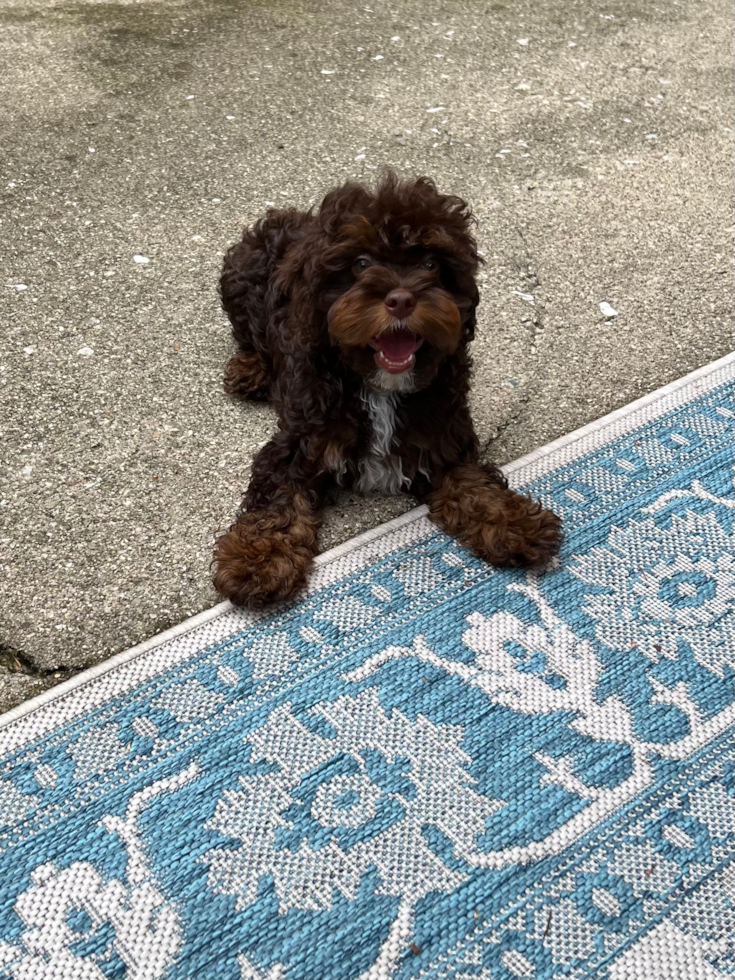
Spend a little time reading about Cockapoos online, and you’ll come across all kinds of opinions about their barking. Some call them loud and yappy; others insist they never make a sound. The truth, as usual, sits somewhere in the middle. Cockapoos are talkative enough to keep life lively, but not the type to turn a home into constant noise.
One of the biggest myths is that all small dogs bark too much, and Cockapoos simply get grouped in by size. But Cockapoos don’t fit that mold. Their Poodle heritage brings attentiveness and quick learning, while their Cocker Spaniel side adds warmth and patience. The result is a dog that barks with reason, not reflex. They notice things, react briefly, and move on. Owners who’ve lived with them for years often describe their barking as “situational”, a quick response rather than a habit.
Another myth is that barking means bad behavior. In reality, barking is a Cockapoo’s way of expressing emotions like excitement, curiosity, or even uncertainty. It’s a window into what they feel, not a sign of stubbornness. A well-socialized Cockapoo doesn’t bark to challenge authority; it barks to communicate. Once they feel heard and guided, the need for noise fades.
Some people also assume that barking can or should be completely trained out. But silence isn’t the goal with a Cockapoo; balance is. These dogs are full of life and awareness, and their occasional bark is part of that energy. Training helps shape when and how they speak, not erase the instinct altogether. In most homes, that balance comes easily once structure, attention, and calm energy fall into place.
Finally, there’s the idea that Cockapoos bark more when they’re spoiled. In truth, what many people see as “spoiling” (affection, attention, closeness) is actually what keeps them content and quiet. A Cockapoo that feels secure rarely raises its voice without reason. It’s when they’re left uncertain or alone for too long that barking fills the space.
RELATED: New York's Posh Dog of The Year
The Bottom Line: Are Cockapoos Noisy Dogs?

After all the stories, observations, and small details, the answer feels clear: no, Cockapoos aren’t noisy dogs. They’re expressive, yes, curious and quick to respond, but their voices carry purpose, not chaos. They bark to connect, to alert, or to share a moment of excitement, then they move on.
What makes the Cockapoo different from truly vocal breeds is balance. They know how to speak, but they also know how to listen. When the home stays calm, so do they. When the day grows lively, they join in with bright eyes and a quick bark of joy.
Across hundreds of owner experiences, the pattern repeats: a few barks at the door, a cheerful burst during play, a quiet sigh at night when the house finally settles. These dogs don’t fill the air with noise; they fill it with presence. They use their voice the same way they use every other part of their personality: with emotion, timing, and awareness.
So, if you’re worried that a Cockapoo might be too vocal for your home, you can set that concern aside. With the right mix of structure, companionship, and attention, Cockapoo puppies grow into calm, confident dogs who know when to speak and when to simply stay close. Their bark doesn’t define them. It’s just another way they remind you they’re there, watching, learning, and simply sharing life by your side.
Scroll down to see FAQs about Cockapoo barking.
Elena R.
About The Author
Elena is a leading expert in the field of dog behavior, care, and training, with over a decade of experience in writing about dogs. As a published writer and lifelong dog enthusiast, Elena currently shares her home with three beloved canine companions. She is dedicated to staying up to date on the latest advancements in dog care and training, ensuring that her articles provide readers with accurate and valuable insights. With her extensive knowledge and passion for all things canine, Elena's contributions to the Premier Pups community offer both expertise and authority on a wide range of dog-related topics.
What To Read Next

Are Cockapoo Good Dogs?
Cockapoos have become one of the most loved mixed breeds in America, and it’s easy to see why. With their expressive faces, soft coats, and cheerful personalities, they win people over in an instant. But for anyone thinking about bringing one home, a fair... Read More

Top 12 Pros and Cons of Owning a Cockapoo
If you’ve ever met a Cockapoo, you know why people fall for them so easily. They have that unmistakable mix of intelligence and heart. They have alert eyes that seem to catch everything and a temperament that leans toward friendliness almost by default.
The... Read More
Frequently Asked Questions
Do Cockapoos bark when left alone? Many owners notice that their Cockapoo uses its voice when it feels a bit unsure about being alone. Because Cockapoos form close bonds and love human company, a quieter dog left by itself might let out a few more barks at first. This isn’t about being bad; it’s their way of checking in, especially if they’re unsure when you’ll return.
What situations make Cockapoos bark the most? Cockapoos tend to bark in moments that mean something to them like a new sound at the door, a neighbor walking by, or something exciting in the yard. They use barking as communication, not noise for its own sake. Some bark more when they’re excited to play; others speak up to alert you to something unusual. Most dogs settle quickly once they know what’s happening.
Are Cockapoos louder than other small dog breeds? Compared to other small dogs, Cockapoos sit comfortably in the moderate barking category. They aren’t as quiet as some toy breeds that barely make a peep, but they also aren’t like terriers or beagles known for more constant vocalizing. When you compare them to similar doodle mixes like Cavapoos or Maltipoos, their overall bark level falls in a similar range: expressive when there’s a reason, quiet when there isn’t.
Does Cockapoo barking mean they’re unhappy? Not usually. Cockapoos bark to say something, not to protest life itself. A short bark at an unfamiliar sound can simply mean “Something’s happening.” A few barks when you return home might be excitement. An occasional bark when left alone can be a sign they miss your company. It’s the pattern and body language that tells the real story - relaxed posture and a quick end to barking usually means all is well.
Do Cockapoos bark more as puppies? Yes, many owners notice that younger Cockapoos bark more often than adults. Puppies are absorbing everything new and may vocalize while learning what’s normal and what’s surprising. Around five to seven months of age, some dogs go through phases where they use their voice to express curiosity, excitement, or uncertainty.
Can Cockapoo barking be reduced with training? Absolutely. A Cockapoo’s intelligence means they respond beautifully to positive, calm training. Teaching cues like “quiet,” giving gentle praise for calm behavior, and rewarding desired responses all help shape how they use their voice. Training doesn’t remove barking. It helps them choose when to speak, which is the real difference between noise and meaningful communication.
Are Cockapoos good for apartments if barking is a concern? Yes, many Cockapoos fit happily in apartments and quiet neighborhoods. Their barking tends to serve a purpose rather than fill silence, and with a predictable routine, enough exercise, and early socialization, they settle into peaceful daily life. Owners in smaller spaces often find that a calm walk or brief play session before heading out makes a noticeable difference in how their dog expresses itself through barking.