





Published Friday, March 13, 2026 by Elena R. in Dog Grooming, Dog Care & Safety, Popular Dogs
Most Cockapoo owners discover something quickly after bringing their fluffy puppy home. The coat looks soft, fluffy, and easy to manage, but a few weeks later, the brush starts catching. Small tangles appear behind the ears or under the collar. Suddenly grooming feels more complicated than expected.
That experience is common with this breed.
Cockapoos usually inherit a coat that sits somewhere between the Cocker Spaniel’s softer fur and the Poodle’s dense, curly hair. Instead of shedding hair cleanly like many short-coated breeds, the loose strands often stay trapped in the coat. As those strands twist together, tangles form. If they are not brushed out regularly, they tighten into mats close to the skin.
This is why Cockapoo grooming should be part of normal care rather than an occasional task. Brushing removes loose hair before it knots. Haircuts keep the coat from becoming too thick to manage. And regular ear, nail, and face care prevent the small issues that tend to develop in long-coated dogs.
Coat type makes a difference too. Some Cockapoos inherit a straighter spaniel-like coat that is easier to maintain. Others develop a tighter, curlier coat from the Poodle side, and those coats usually need more frequent brushing because the hair catches on itself more easily. Areas with friction—behind the ears, under the legs, around the collar, and near the tail—are where tangles usually start.
Once owners understand how the coat behaves, grooming becomes much easier to manage. Most Cockapoos need to settle into a routine that includes brushing several times a week, bathing about once a month, and professional haircuts roughly every six to eight weeks. Without that routine, tangles can develop surprisingly quickly, especially as the coat grows longer.
This guide breaks down Cockapoo grooming step by step. It explains how the coat works, how often grooming should happen, how to brush the coat properly, how to prevent mats, which haircut styles are easiest to maintain, and when professional grooming becomes helpful.
Table of Contents
- Understanding the Cockapoo Coat
- How Often a Cockapoo Needs Grooming
- Cockapoo Grooming by Age
- How to Brush a Cockapoo the Right Way
- Bathing and Drying a Cockapoo
- Ear, Nail, and Face Care for Cockapoos
- Cockapoo Dental Care
- Cockapoo Haircuts
- Grooming Tools That Work Well for Cockapoos
- Grooming at Home or Visiting a Professional Groomer
- Teaching a Cockapoo Puppy to Accept Grooming
- 5 Common Cockapoo Grooming Mistakes
Understanding the Cockapoo Coat
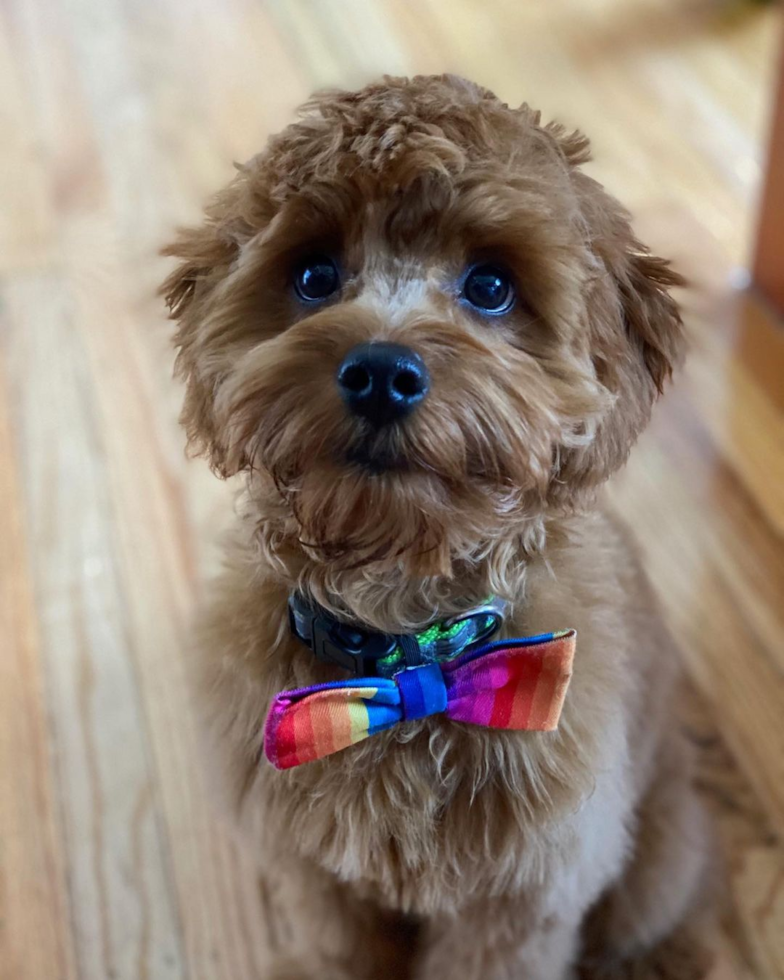
One of the first things owners notice about Cockapoos is that no two coats look exactly the same. Some are loose and wavy, others are tightly curled, and a few fall somewhere closer to the smoother spaniel coat. This variation comes from the breed’s parentage. Cockapoos inherit coat traits from both the Cocker Spaniel and the Poodle, and the balance between those genes determines how the coat behaves.
These Cockapoo coat types explain why grooming routines vary so much from one dog to another. They also answer a question many owners eventually ask: why do some Cockapoos mat so easily while others seem easier to maintain?
Straight Coat
A straight coat is the least common type, but it does appear in some Cockapoos that inherit more of the Cocker Spaniel coat.
This coat tends to lie flatter against the body and may shed slightly more than other Cockapoo coats. Because the strands do not twist around each other as easily, tangles usually develop more slowly.
That doesn’t mean grooming can be ignored. Straight coats still need regular brushing several times a week, especially in areas where friction occurs, like behind the ears or under the collar. The advantage is that brushing sessions are usually quicker, and mats are less likely to form close to the skin.
Haircuts for this coat type are often easier to maintain as well. Many owners say that moderate trims keep the coat manageable without requiring intensive daily brushing.
Wavy Coat
The wavy coat is probably the most common Cockapoo coat type. It sits somewhere between the spaniel’s softer texture and the Poodle’s curlier structure.
This coat has a gentle wave rather than tight curls. It usually sheds very little, which many owners appreciate, but the trade-off is that loose hairs can stay trapped in the coat. Over time, those hairs twist together and form tangles.
Because of this, coat care becomes more important with wavy coats. Brushing every few days helps prevent small tangles from tightening into mats. Areas where the coat rubs against itself like the armpits, behind the ears, and near the tail need the most attention.
Curly Coat
The curly coat usually appears in Cockapoos that inherit more of the Poodle’s coat traits. The curls can range from loose spirals to tighter ringlets.
This type of coat typically sheds the least, but it also requires the most consistent grooming. The curls trap loose hair inside the coat, and when that hair begins to twist together, mats can form quickly. That is why many groomers say that curly coats need the most maintenance. Regular brushing is essential, often several times a week, and sometimes even daily if the coat is kept long.
Haircuts also require more planning with curly coats. Longer styles may look soft and fluffy, but they usually demand frequent brushing to prevent matting. Shorter cuts are often easier for owners who prefer a simpler grooming routine.
RELATED: Learn Everything You Need To Know About Cockapoos
How Often a Cockapoo Needs Grooming
There is no single schedule that fits every dog, but most Cockapoos follow a fairly predictable rhythm. Because the coat tends to trap loose hair instead of shedding it away, regular maintenance keeps tangles from turning into mats and keeps the coat comfortable for the dog.
A simple routine usually includes brushing several times a week, bathing about once a month, and professional grooming every six to eight weeks. The exact timing can shift depending on coat type, coat length, and how active the dog is.
Brushing Frequency
Brushing is the most important part of Cockapoo coat care.Most Cockapoos need brushing every two to three days, although dogs with curlier coats or longer hair may need brushing more often. Regular brushing removes loose hair before it twists together and forms tangles.
Areas that experience friction tend to tangle first. Behind the ears, under the legs, around the collar, and near the tail are common spots where small knots appear. These areas usually need the most attention during brushing sessions.
Bathing Schedule
Cockapoos don’t usually need frequent baths. In most homes, a bath every three to four weeks will be enough to keep the coat clean without drying the skin.Bathing too often can strip natural oils from the coat and skin, which may lead to dryness or irritation. Waiting too long between baths, however, can allow dirt and oils to build up in the coat.
Most owners settle on a routine that matches their dog’s lifestyle. Dogs that spend a lot of time outdoors or swimming may need baths a little more often.
Haircuts and Professional Grooming
Cockapoos should see a professional groomer every six to eight weeks. Regular haircuts help keep the coat manageable and prevent it from becoming thick enough to trap tangles near the skin. Groomers also trim areas that are difficult for many owners to manage at home, including around the eyes, paws, and sanitary areas.
Some choose shorter haircuts to simplify grooming between appointments. Others prefer longer styles but brush the coat more frequently to keep it mat-free.
Nail Care and Ear Care
Grooming includes more than coat maintenance.Most Cockapoos need nail trims every three to four weeks, although dogs that walk frequently on pavement may naturally wear their nails down a little faster. Long nails can affect how a dog walks and may cause discomfort over time.
Ear care is also a must. Cockapoos have floppy ears that limit airflow, which means moisture and debris can build up more easily. Many owners check their dog’s ears once a week and clean them when needed to prevent irritation or infection.
RELATED: 6 Expert Tips on Keeping Your Dog Safe During Heatwaves
Cockapoo Grooming by Age
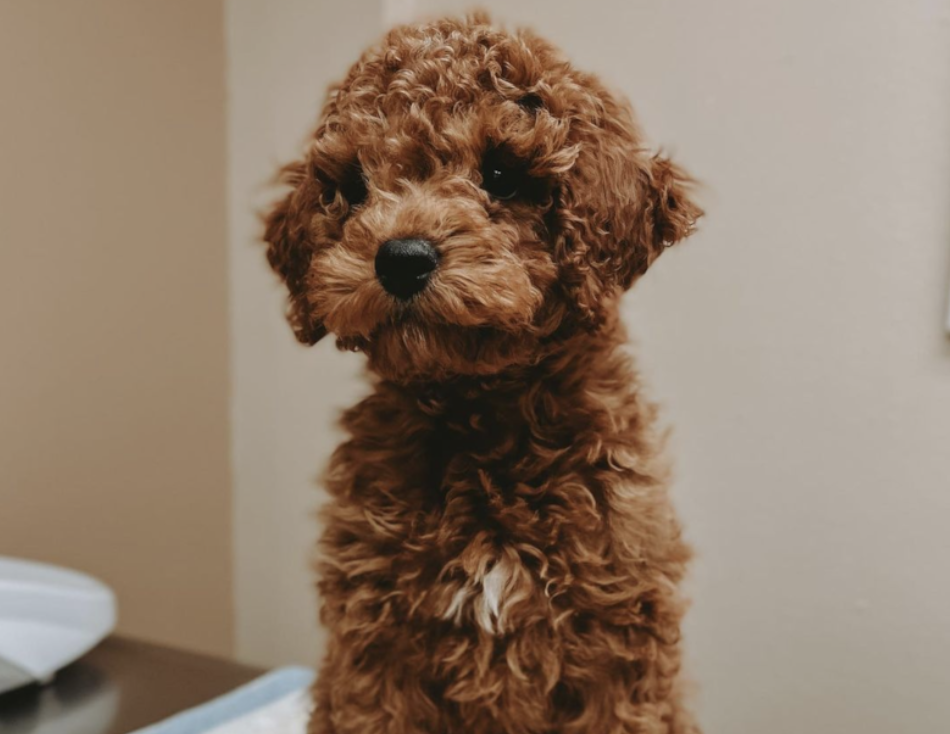
Grooming doesn’t stay the same throughout a Cockapoo’s life. The coat changes as the puppy turns into an adult dog, and those changes affect how much maintenance the coat needs.
Many owners say that grooming feels easy during the early puppy months. Then, somewhere later in the first year, the coat suddenly starts tangling more easily. This usually happens when the adult coat begins replacing the softer puppy coat, a change that often starts around eight months of age.
8–12 Weeks
During the first weeks at home, grooming is less about the coat and more about introducing handling.
Young puppies have a very soft coat that tangles less easily. Because of that, brushing sessions can stay short and gentle. The main goal at this stage is to help the puppy become comfortable with grooming routines.
It’s best to begin with light brushing a few times a week. Even brief sessions help the puppy learn that brushes, hands, and grooming tools are normal parts of everyday care.
This stage is also a good time to introduce touch around the face, ears, and paws. Gentle face touching and paw handling help prevent resistance later when trimming nails, brushing the face, or cleaning ears.
3–6 Months
As the puppy grows, grooming routines begin to take shape. The coat becomes slightly thicker during this stage, and brushing turns into a regular part of care. Many settle into a consistent brushing routine several times a week to keep the coat free of small tangles.
This is also the stage when many Cockapoos have their first professional groom. Groomers focus on light trimming, shaping around the face and paws, and helping the puppy become comfortable with the grooming environment.These early visits are valuable because they allow the puppy to experience grooming tools, sounds, and handling before the coat becomes difficult to manage.
6–12 Months
This stage often surprises new owners. The soft puppy coat begins to give way to the denser adult coat, and the texture may change noticeably. Some Cockapoos develop stronger waves or tighter curls as the adult coat grows in.
Because of this change, matting risk usually increases during this period. Hair that once brushed easily may begin to tangle more quickly, especially in areas with friction. Shorter trims can make coat care much easier while the adult coat finishes developing.
Adult Cockapoos
By the time the adult coat is fully grown, grooming routines tend to become predictable. Most adult Cockapoos need to stay on a regular routineof brushing several times a week and professional grooming every six to eight weeks. Nail trims, ear checks, and bathing usually become part of the same routine.
RELATED: How Long Do Cockapoos Live? Cockapoo Lifespan – A Guide to Longevity
How to Brush a Cockapoo the Right Way
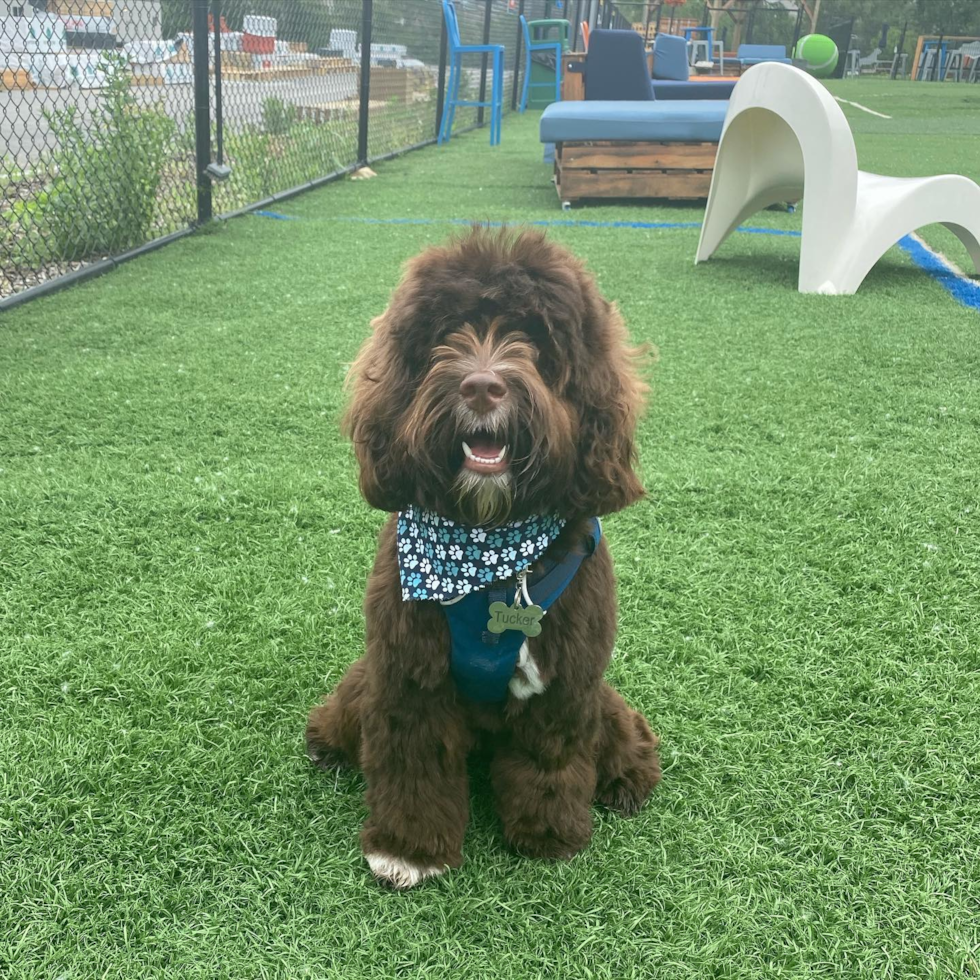
Brushing is the single most important part of Cockapoo grooming. It is also the step many owners underestimate.
At first glance, the coat may look smooth on the surface. A brush glides across the top layer and everything seems fine. But Cockapoo coats often trap loose hair underneath. When those hidden strands twist together near the skin, mats begin to form.
That is why how you brush matters just as much as how often you brush. A quick pass over the surface is rarely enough to keep the coat fully detangled.
The Right Tools: Slicker Brush and Comb
Most Cockapoo coats rely on two basic tools: a slicker brush and a metal comb.
A slicker brush has fine, angled wires that help separate and lift the coat. It works well for loosening small tangles and removing trapped hair from thicker sections of the coat.
The comb plays a different role. A sturdy metal comb reaches deeper into the coat and helps confirm whether the hair is fully detangled. Groomers consider the comb the final test. If the comb moves easily from the skin outward, the coat is truly brushed through.
Using both tools together produces the best results. The brush loosens the coat, and the comb confirms that nothing remains hidden underneath.
The Line Brushing Method
Professional groomers rely on a technique known as line brushing. It may sound technical, but the idea is simple. Instead of brushing randomly across the top of the coat, the hair is brushed in small sections from the skin outward. This means you need to start near the lower part of the body and gradually work upward.
For example, when brushing a leg, the hair can be parted slightly so the brush reaches close to the skin. After that section is brushed, the next small layer of hair is brushed above it. This approach ensures that the brush reaches the deeper parts of the coat rather than skimming across the surface.
Line brushing takes a little longer, but it prevents the hidden tangles that can turn into mats later.
Working Through the Coat in Sections
Brushing becomes much easier when the coat is handled in sections rather than all at once.
Some find it easier to begin with the legs and work upward through the body. Others start at the back and move toward the head. The exact order matters less than staying consistent and moving methodically through each area.
Breaking the coat into smaller sections helps ensure that no part of the coat is overlooked. It also keeps brushing sessions calmer for the dog, especially when grooming becomes part of a regular routine.
Areas Where Mats Form Most Often
Certain parts of the body tend to tangle more quickly than others. These areas experience friction from movement, collars, or harnesses, which causes hair to twist together more easily.
Common mat-prone areas include:
- Behind the ears
- Under the front legs in the armpits
- Around the collar or harness area
- Near the base of the tail
These spots deserve extra attention during brushing sessions. Even when the rest of the coat looks smooth, small tangles often appear first in these locations.
A Simple Way to Check the Coat
One of the easiest ways to confirm that the coat is properly brushed is the comb test.
After brushing an area, run a metal comb gently through the coat from the skin outward. If the comb slides through without catching, the coat is likely free of tangles.
If the comb snags or stops, there is usually a small knot hidden underneath the surface hair. Brushing that area again before the tangle tightens will prevent the problem from turning into a mat.
RELATED: Are Cockapoos Hypoallergenic? Do Cockapoos Shed?
Bathing and Drying a Cockapoo
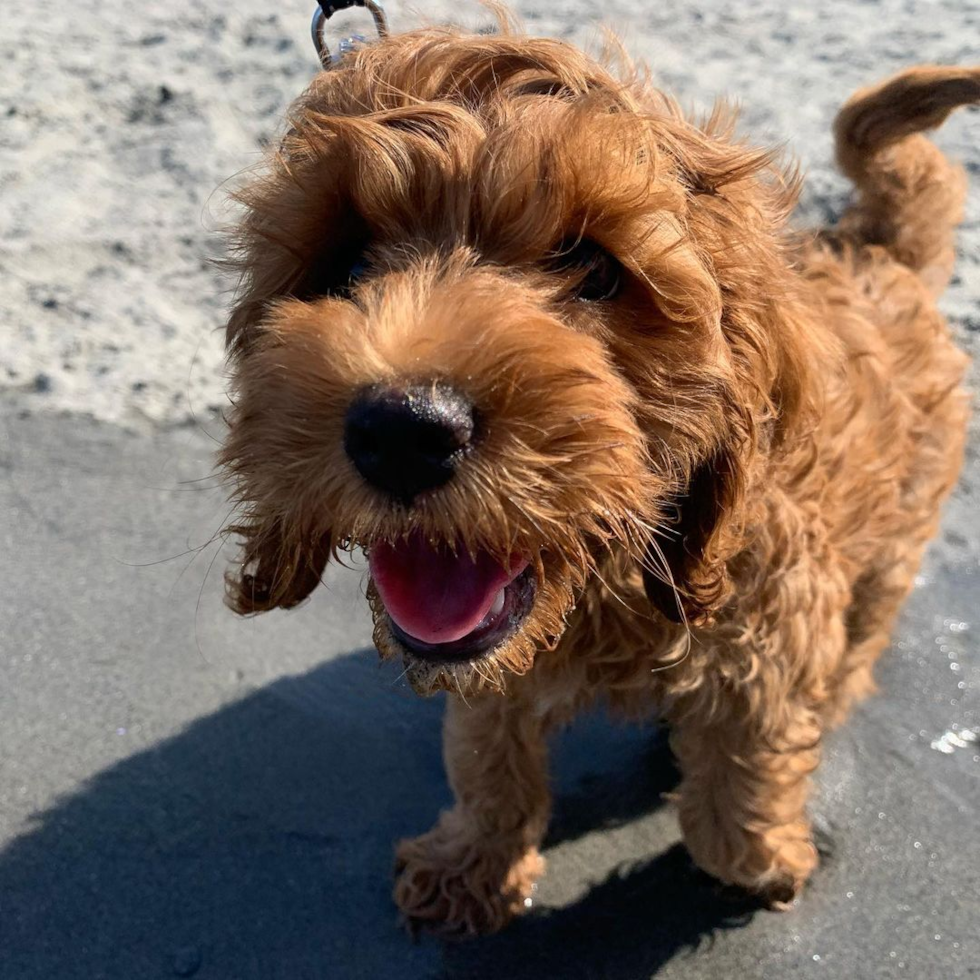
Bathing plays an important role in Cockapoo grooming, but it works best when it follows a simple routine. Too many baths can dry out the coat and skin. Too few can allow dirt, oils, and debris to build up in the fur.
Most Cockapoos do well with a bath about every three to four weeks. Dogs that spend more time outdoors, swimming, or rolling in grass may need baths a little sooner. Others with shorter coats may go slightly longer between baths.
The goal is to keep the coat clean without washing it so often that the natural oils disappear.
The Right Shampoo
Cockapoos tend to have sensitive skin, so a mild dog shampoo usually works best. Products made specifically for dogs help protect the skin’s natural balance and avoid irritation.
Professional groomers recommend you choose shampoos designed for curly or long coats. These formulas help keep the hair softer and easier to brush afterward.Human shampoos should be avoided because they can be too harsh for a dog’s skin.
Why Wet Coats Tangle So Easily
Water changes the way a Cockapoo coat behaves.When the hair becomes wet, the strands soften and cling together. As the coat begins to dry, those strands tighten around each other. If the coat dries while tangled, the knots often become harder to remove.
This is one reason grooming professionals stress that clean coats still need proper brushing. A bath alone doesn’t prevent tangles. In some cases, it can make hidden knots tighten if the coat is not brushed thoroughly afterward.
Drying the Coat the Right Way
Drying is just as important as bathing itself. A quick towel dry removes much of the moisture and helps prevent water from sitting in the coat too long. After that, it's best to use a low or moderate heat setting on a blow dryer designed for dogs.
Blow drying helps separate the hair while it dries. As the coat dries, brushing gently through the hair keeps the strands from twisting together. This step can make a noticeable difference in preventing tangles.
Air drying may seem easier, but it allows the coat to dry in clumps. As the hair tightens while drying, tangles can form more easily.
RELATED: How Often Should You Bathe Your Dog? A Comprehensive Guide
Ear, Nail, and Face Care for Cockapoos
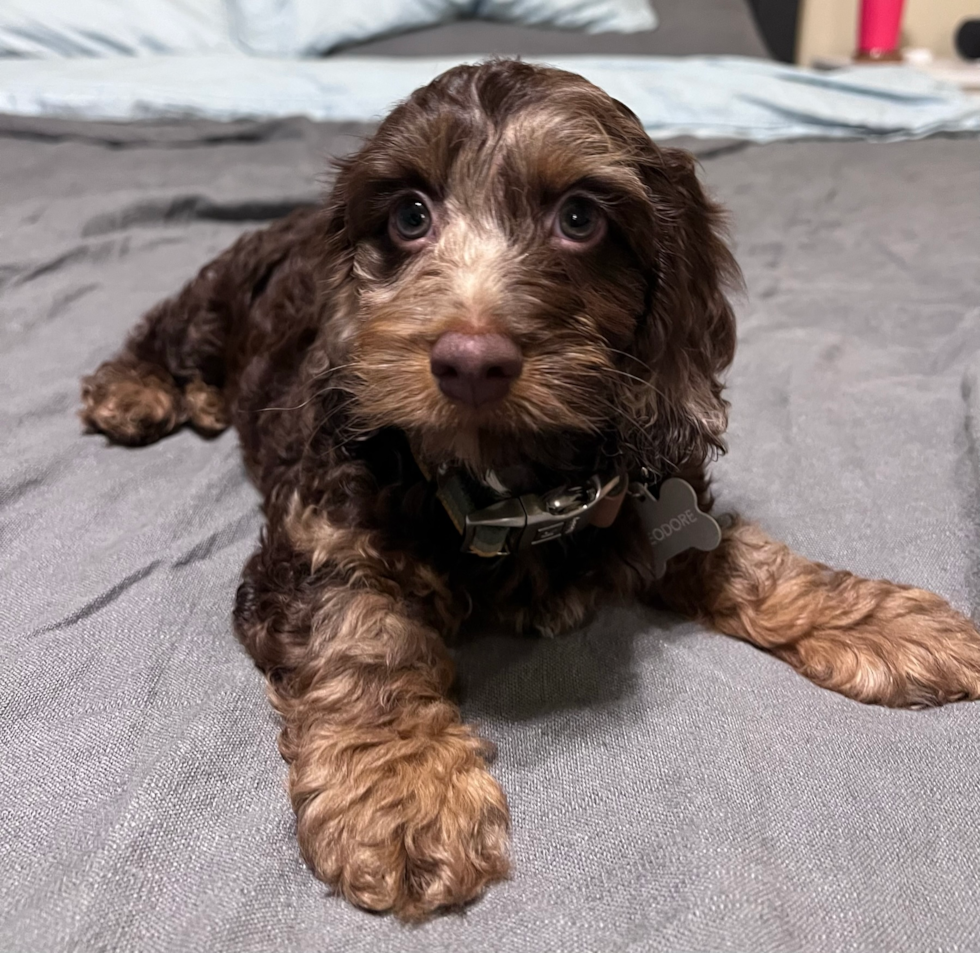
Grooming a Cockapoo involves more than managing the coat. A complete routine also includes ear care, nail trimming, and keeping the face clean. These areas are easy to overlook at first, but regular attention helps prevent common problems that can develop in long-coated dogs.
Ear Care
Cockapoos have floppy, hair-covered ears, a trait inherited from the Cocker Spaniel side of the breed. While those ears contribute to the breed’s soft appearance, they also limit airflow inside the ear canal. When moisture, wax, or debris builds up, the environment can become ideal for irritation or infection.
Regular Cockapoo ear care helps prevent those problems. It is best to check your Cockapoo’s ears once a week. A quick look inside the ear flap is usually enough to notice whether anything unusual is developing. If the ear appears clean, dry, and free of odor, no cleaning may be needed.
When cleaning is necessary, a gentle dog-specific ear cleaner can be applied to a cotton pad or soft cloth. The outer part of the ear can then be wiped carefully to remove wax and debris. It is important not to push anything deep into the ear canal.
There are some signs to look for that may suggest the ears need attention. Redness, strong odor, excessive wax, head shaking, or frequent scratching around the ears can all indicate irritation. If these signs appear, a veterinarian should examine the ear before regular cleaning continues.
Nail Care
Nail trimming is another important part of Cockapoo grooming.Most dogs need their nails trimmed every three to four weeks, although active dogs that walk regularly on pavement may wear their nails down more naturally. When nails grow too long, they can affect how the dog walks and may cause discomfort over time.
It's best to choose between traditional nail clippers and nail grinders. Clippers trim the nail quickly in one motion, while grinders gradually shorten the nail by filing it down. Some dogs tolerate grinders more easily because the process is slower and produces smoother edges.
Regardless of the tool used, the most important step is to avoid the quick, the sensitive inner part of the nail that contains blood vessels. Trimming only the tip of the nail helps prevent accidental cuts. When nails are trimmed regularly, the quick often recedes over time, and makes maintenance easier.
Face and Eye Care
Cockapoos also benefit from regular face and eye care. Hair around the eyes can sometimes trap moisture or debris, especially in dogs with longer facial hair. Keeping this area clean helps prevent irritation and makes it easier for the dog to see clearly.
Some Cockapoos develop mild tear staining, particularly those with lighter coats. Wiping the area gently with a damp cloth or pet-safe wipe helps remove buildup before it becomes more noticeable.
Small amounts of eye discharge are normal for dogs, but excessive discharge, redness, or swelling may indicate irritation that should be evaluated by a veterinarian.
Occasional trimming of the hair around the eyes and muzzle can also help maintain comfort and cleanliness. Many owners prefer to leave detailed facial trimming to professional groomers, but keeping the area tidy between grooming appointments can make a noticeable difference.
Cockapoo Dental Care
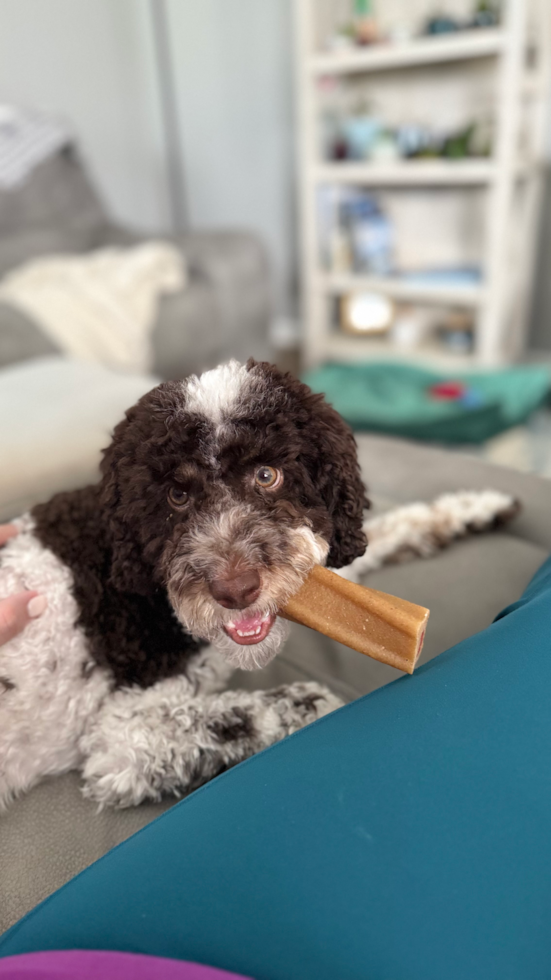
Dental care is often overlooked in a grooming routine, but it plays an important role in a Cockapoo’s overall health. While brushing the coat keeps the dog comfortable on the outside, brushing the teeth helps prevent problems that can develop inside the mouth.
Many dogs naturally develop plaque on their teeth as they eat. If that plaque is not removed regularly, it can harden into tartar along the gum line. Over time, tartar buildup may lead to bad breath, irritated gums, and dental disease.
How to Brush a Cockapoo’s Teeth
Most veterinarians recommend brushing a dog’s teeth several times a week. Some owners choose to brush daily, while others include it in their routine two or three times a week.
The most important step is using tools designed for dogs. Dog toothbrushes usually have softer bristles and shapes that fit comfortably inside a dog’s mouth. Dog-specific toothpaste is also important, because human toothpaste can contain ingredients that are not safe for dogs to swallow.
Brushing begins by gently lifting the lips and brushing along the outer surfaces of the teeth, especially where the teeth meet the gums. Plaque tends to build up most easily in that area.
How to Help Your Cockapoo Accept Tooth Brushing
Just like coat grooming, dental care becomes much easier when dogs are introduced to it gradually.
You can begin by touching your dog’s muzzle and lifting the lips for a moment. Once your dog is comfortable with that handling, a toothbrush or finger brush can be introduced slowly.
Short, calm sessions usually work best. Praise or a small reward afterward helps the dog associate tooth brushing with a positive experience. When this routine becomes familiar, brushing teeth takes less than a minute.
Other Ways to Support Dental Health
While brushing remains the most effective way to reduce plaque, some owners also use additional tools to support dental health.
Dental chews, chew toys designed to help clean teeth, and occasional veterinary dental cleanings can all contribute to supporting healthy teeth and gums. These options don’t replace brushing, but they can support the overall routine.
RELATED: Unleash the Secrets of Brushing Puppy Teeth: Essential Guide & Tips
Cockapoo Haircuts
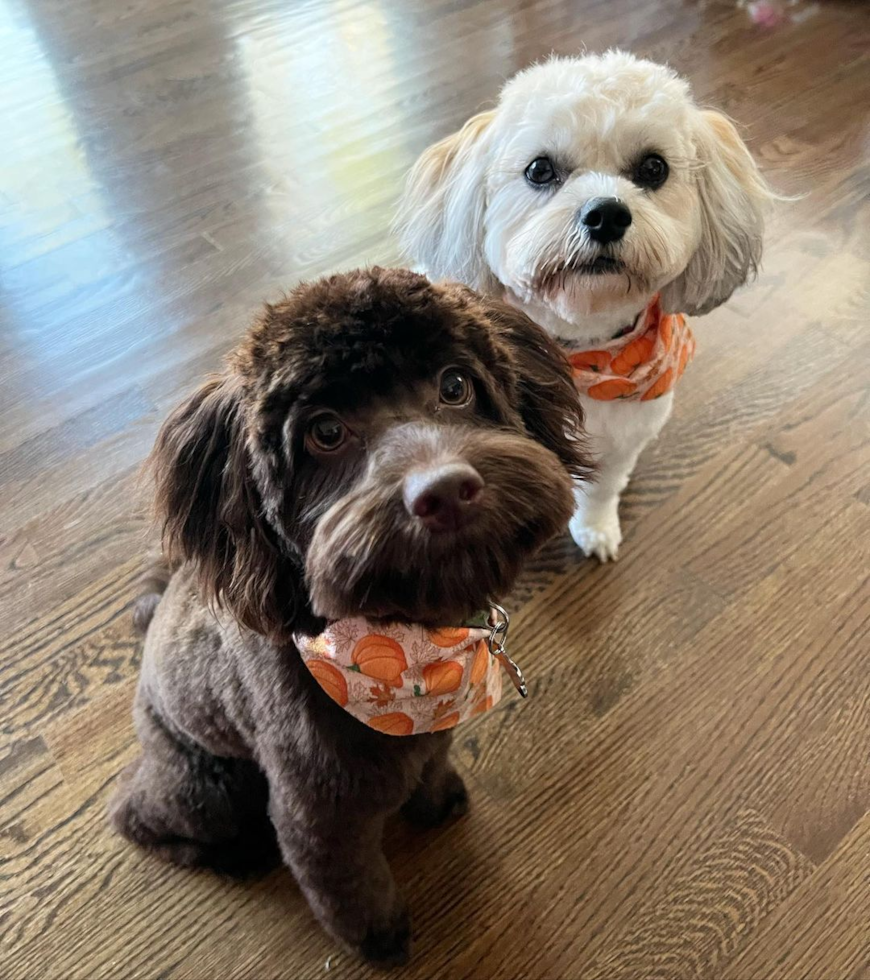
Haircuts play a bigger role in Cockapoo grooming than many owners expect. The style you choose not only affect how the dog looks, but also affects how much brushing, detangling, and coat maintenance will be needed between grooming appointments.
Because Cockapoos inherit coats that can range from wavy to tightly curled, the length and shape of the haircut often determine how easy the coat will be to manage at home. Some styles prioritize a fuller, fluffy appearance. Others keep the coat shorter and easier to manage. Understanding the difference will help you choose a haircut that fits both your dog’s coat type and their grooming routine.
Puppy Cut
The puppy cut is one of the most common Cockapoo haircut styles.In this trim, the coat is clipped to a similar length across most of the body. The hair is usually kept short to medium length, with slightly softer shaping around the face and ears.From a grooming perspective, the puppy cut is usually considered moderate maintenance. The shorter coat reduces the risk of tangles but brushing several times a week is still important to keep the coat smooth.
Many choose this style because it offers a clean look without requiring intensive daily grooming.
Teddy Bear Cut
The Cockapoo teddy bear cut is a favorite because of its soft, rounded appearance. In this style, the coat is left slightly longer and shaped to create a fuller, plush look around the face and body.
The face is usually trimmed into a rounded shape, which gives the dog the “teddy bear” expression many owners love.
Because the coat is kept longer, this style generally requires higher maintenance. The extra length allows the coat to look fuller, but it also increases the chance of tangles forming between grooming sessions. Owners who prefer this style need to brush more frequently to keep the coat free of knots.
Lamb Cut
The lamb cut is inspired by grooming styles used for Poodles. In this style, the coat on the body is clipped shorter while the legs are left slightly longer and fuller. The contrast creates a neat, balanced appearance that highlights the dog’s shape.
The lamb cut is considered moderate maintenance. The shorter body coat reduces matting risk, while the fuller legs may require occasional brushing to prevent tangles. For Cockapoos with curlier coats, this style can be a good balance between appearance and manageability.
Cocker Cut
The cocker cut leans more toward the grooming style traditionally used for Cocker Spaniels. In this trim, the coat on the body is kept shorter while the hair on the ears, chest, and legs is left longer and feathered. The result highlights the spaniel influence in the Cockapoo’s appearance.
Because of the longer feathering in certain areas, this style can require higher maintenance, especially around the legs and chest where tangles can develop more easily.
Owners who choose this cut need to brush those longer areas more carefully to prevent matting.
Summer Cut
The summer cut focuses on simplicity and comfort. In this style, the coat is clipped quite short across most of the body. This reduces the amount of hair that can tangle and makes grooming between appointments much easier. For many Cockapoos, this is considered a low-maintenance option. Shorter hair means fewer tangles and faster brushing sessions. Many owners choose this cut during warmer months or when they prefer a simpler grooming routine.
RELATED: Complete Cockapoo Colors Guide: Patterns, Fading + Photos
Grooming Tools That Work Well for Cockapoos
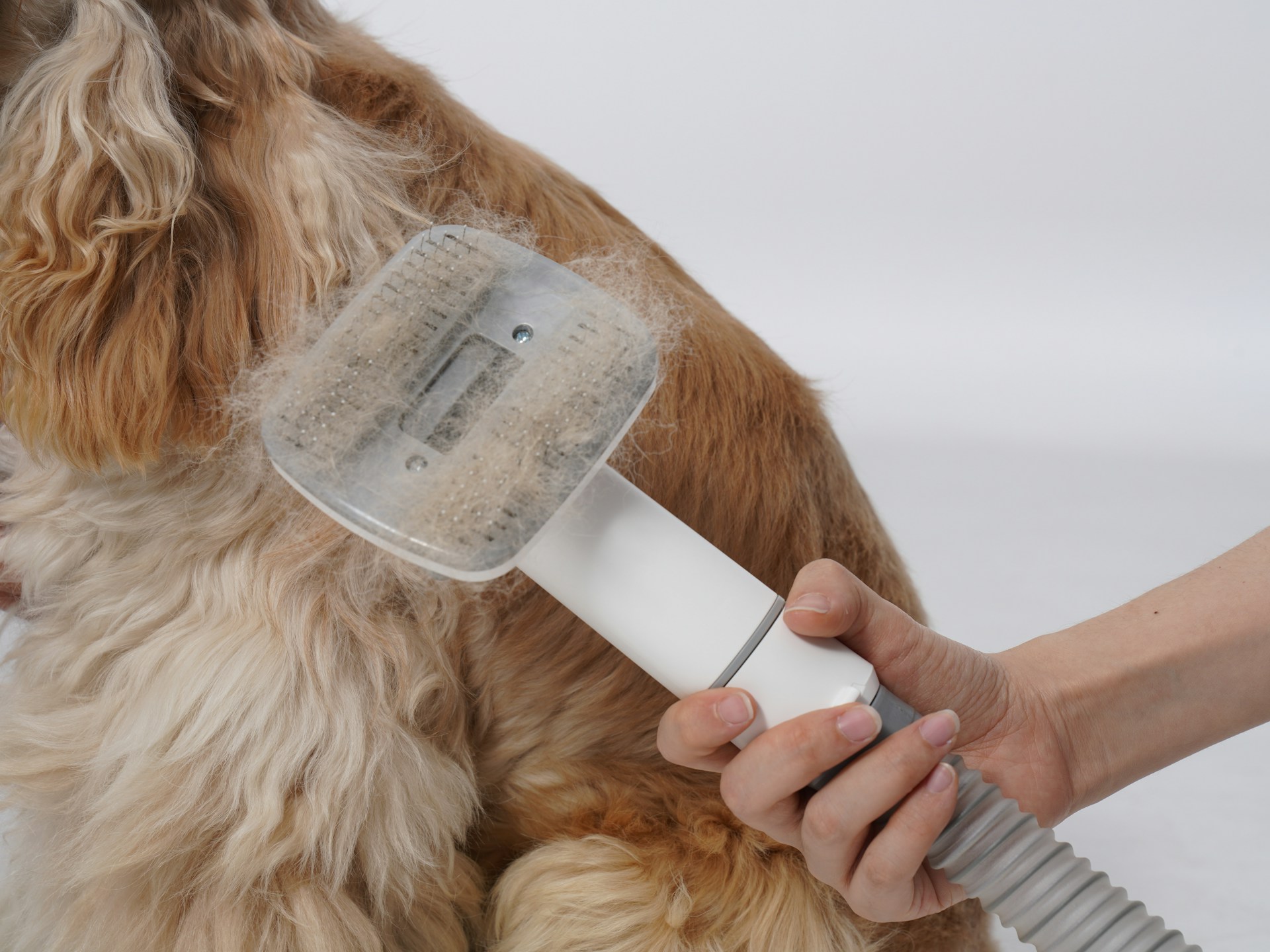
Many Cockapoo owners discover that grooming becomes much easier with the right tools. A basic brush may work for a while, especially when the coat is short. But as the coat grows longer or begins developing stronger waves or curls, the wrong brush can leave tangles hidden beneath the surface.
Cockapoo coats need tools that reach deeper into the hair rather than just smoothing the outer layer.
Once you switch to the tools groomers typically recommend, brushing sessions tend to become faster and far more effective. A few simple tools usually cover most grooming needs.
Slicker Brush
The slicker brush is often considered the foundation of Cockapoo grooming. This brush uses fine, angled wires that gently separate the coat while lifting trapped hair and small tangles. It works especially well on wavy and curly coats where loose hair tends to stay caught within the curls.
During regular brushing sessions, the slicker brush helps loosen tangles and open up the coat so air can move through the hair. When used gently in small sections, it can reach close to the skin without pulling on the coat.Many use the slicker brush first to work through the coat before checking the area with a comb.
Metal Comb
A metal comb is one of the most reliable ways to confirm that the coat is fully detangled. While a brush can smooth the outer layer of the coat, a comb travels deeper and reveals knots that may still be hiding near the skin. This is why many groomers rely on the comb as a final check after brushing.
If the comb glides easily through the coat from the skin outward, the hair is usually free of tangles. If the comb catches or stops, a small knot is still present and should be brushed again before it tightens.Using a comb this way helps prevent many of the mats that owners later discover beneath an otherwise fluffy coat.
Detangling Spray
A detangling spray can make brushing more comfortable for both the dog and the owner. These sprays add a light conditioning layer to the coat, which allow brushes and combs to move more smoothly through the hair. They can be especially helpful for dogs with thicker curls or coats that tend to knot easily.
Detangling sprays are often used before brushing or during grooming sessions when the coat feels dry or slightly tangled.
Dematting Tools
When small mats appear, dematting tools can help separate the tangled hair without removing large sections of the coat.These tools usually have small blades designed to break apart tight knots so they can be brushed out more easily. They should be used carefully and slowly, especially near the skin, because pulling on tight mats can be uncomfortable for the dog.
In some cases, severe mats are best handled by a professional groomer rather than trying to remove them at home.
Nail Clippers or Nail Grinders
Nail care tools also become part of the grooming routine. Traditional nail clippers trim the nail quickly in one motion, while nail grinders gradually shorten the nail by filing it down. Some dogs tolerate grinders more easily because the process feels slower and produces smoother edges. Both options can work well, and many owners simply choose the tool their dog accepts most comfortably.
Grooming at Home or Visiting a Professional Groomer
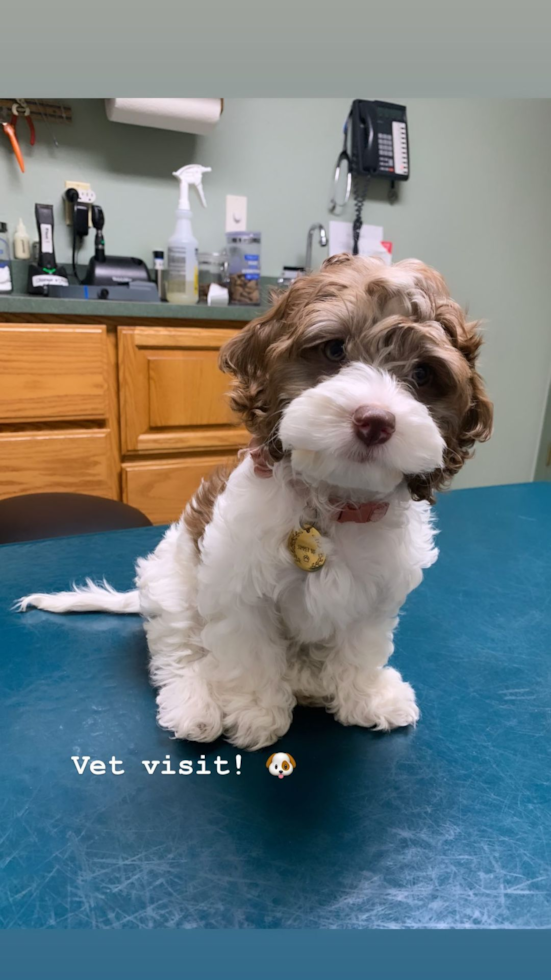
Many Cockapoo owners eventually wonder how much grooming they should handle themselves and when it makes sense to visit a professional groomer. The answer usually falls somewhere in the middle.
Most grooming routines involve a combination of regular care at home and occasional professional grooming appointments. Brushing, basic bathing, and simple maintenance often happen at home, while groomers handle the more precise trimming that keeps the coat manageable over time.
Grooming at Home
Home grooming works well for the routine tasks that keep the coat from developing tangles between haircuts.
Regular brushing is usually the biggest part of this routine. When owners brush the coat several times a week and check common friction areas for small tangles, the coat tends to stay much easier to manage. Bathing, basic face cleaning, and simple ear checks can also be done comfortably at home once the dog is used to the routine.
Some owners choose to trim small areas between grooming appointments, such as hair around the eyes or paws. These small adjustments can help keep the dog comfortable and prevent the coat from becoming difficult to manage.
When a Professional Groomer Helps
Professional grooming becomes especially helpful when the coat needs shaping or when the hair grows long enough that trimming becomes difficult at home.
Groomers use specialized tools and techniques to shape the coat evenly while keeping a comfortable length. They also trim areas that are harder for owners to manage, including around the face, ears, feet, and sanitary areas.Professional groomers can also notice early coat or skin issues that might otherwise go unnoticed during routine brushing.
RELATED: Grooming your Dog at Home Guide
Teaching a Cockapoo Puppy to Accept Grooming
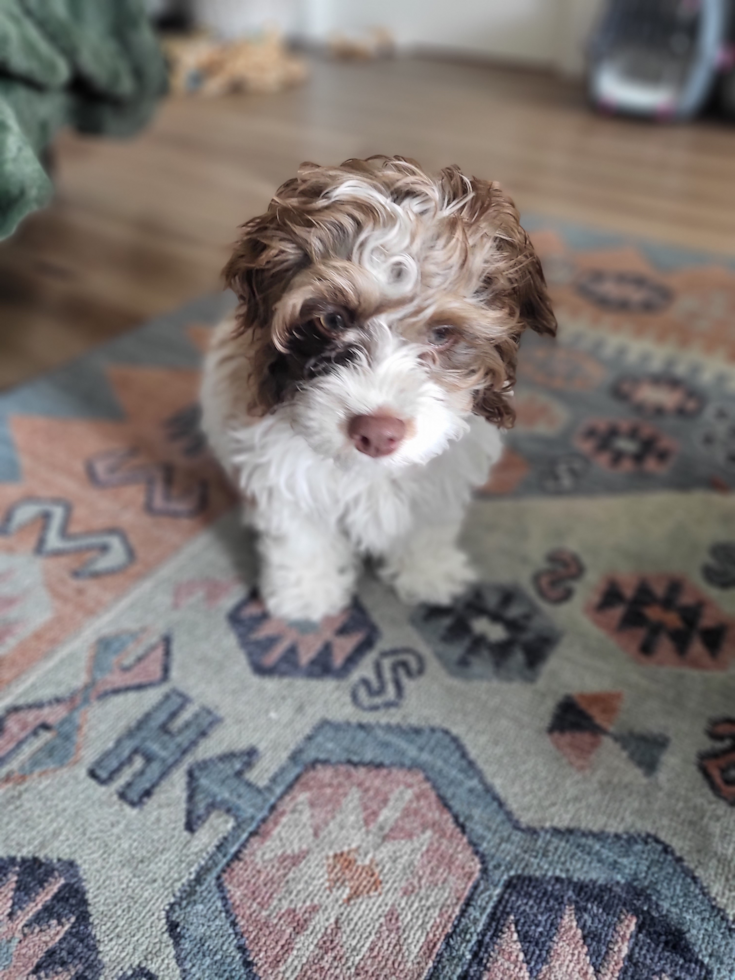
Most Cockapoo puppies arrive in their new homes with some experience handling grooming tools. At first, their soft puppy coat may not require much maintenance, so grooming can feel easy during the early weeks. But that changes as the coat begins to thicken.
Cockapoos eventually develop coats that require regular brushing, haircuts, and routine care. If a puppy has never learned to accept grooming, those tasks can quickly become stressful for both the dog and the owner. This is why early grooming training makes such a difference.
The goal during puppyhood is not perfect grooming, but to help the puppy learn that brushing, paw handling, and ear checks are normal parts of life.
Introduce Grooming Early
Most Cockapoo puppies can begin gentle grooming soon after they settle into their new home.The first sessions should stay very short. A few gentle strokes with a brush, followed by praise or a small reward, is usually enough in the beginning. Puppies learn quickly when grooming feels calm and predictable rather than forced.
These early introductions help prevent the resistance that sometimes appears later when grooming is suddenly introduced to an older dog.
Practice Handling Before Using Tools
Handling is the foundation of grooming training. Before trimming nails or cleaning ears, you simply need to practice touching those areas. Holding a paw briefly, lifting the ear flap, or brushing a small section of the coat helps the puppy become comfortable with the process.
Once the puppy accepts handling calmly, grooming tools can be introduced without causing unnecessary stress.
Keep Sessions Short and Positive
Young puppies have short attention spans. Grooming sessions that last only a few minutes tend to work best.Stopping while the puppy is still calm helps build positive associations with the routine. Over time, these short sessions naturally become longer as the dog grows more comfortable.
Prepare Puppies for Their First Groom
Many Cockapoos visit a professional groomer for the first time between three and six months of age.Puppies that have already experienced brushing, ear handling, and paw touching at home usually adjust much more easily to the grooming environment. The sounds of clippers, dryers, and grooming tables are less intimidating when the basic handling is already familiar.This early preparation helps grooming become a normal part of life rather than something the dog learns to fear.
RELATED: Cockapoo Training Guide: How to Train a Cockapoo the Right Way
5 Common Cockapoo Grooming Mistakes
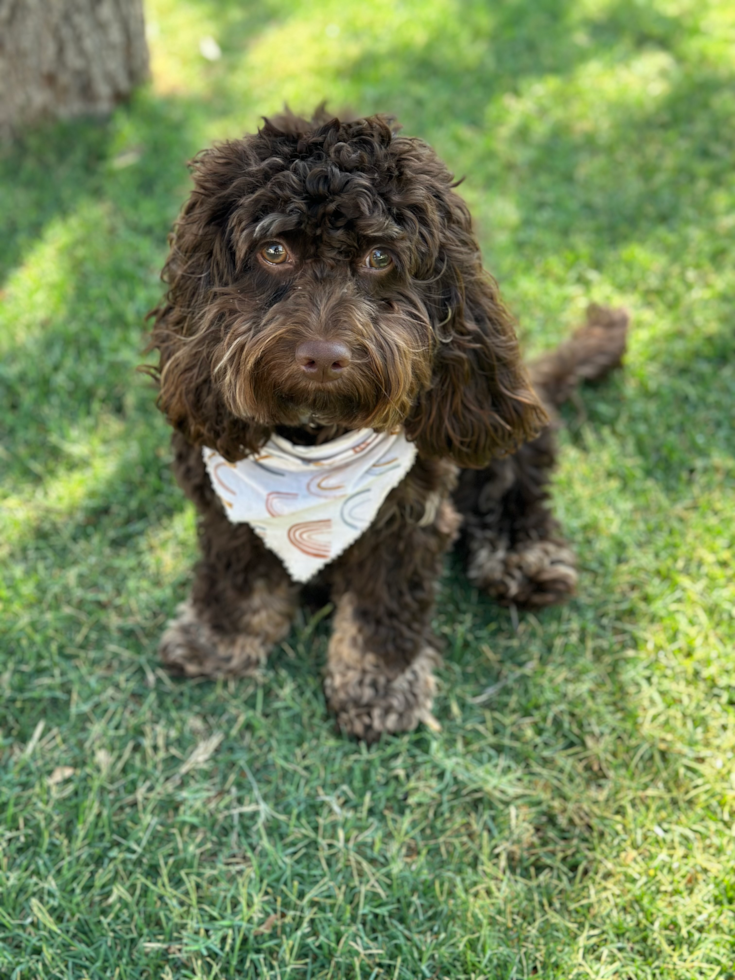
Most grooming problems don’t happen overnight. In many cases, they start with small habits that seem harmless at first but gradually make the coat harder to manage.
Cockapoo coats can stay soft and healthy for years when the grooming routine is consistent. When certain steps are skipped or delayed, however, tangles and coat problems often appear much faster than owners expect.
1. Skipping Regular Brushing
The most common grooming issue usually comes down to brushing.Cockapoo coats trap loose hair instead of shedding it away. When brushing is skipped for several days, that loose hair begins twisting together beneath the surface. At first, the coat may still look smooth from the outside, but small tangles form close to the skin.
Once those tangles tighten, they turn into mats that are much harder to remove. Regular brushing prevents this buildup and keeps the coat far easier to manage.
2. Bathing Too Often
Bathing too often can create its own set of problems.Dog shampoos are designed to clean the coat without stripping natural oils, but even gentle products can dry the skin if used too often. When the coat loses those natural oils, the hair may become brittle and more prone to tangling. For most Cockapoos, bathing about once every three to four weeks will keep the coat clean without causing dryness.
3. Ignoring Small Tangles
Small tangles are easy to overlook, especially in thicker coats. Many mats begin as tiny knots that develop in high-friction areas such as behind the ears or under the legs. If these knots are brushed out early, they usually disappear within seconds.When they are ignored, however, they tighten each time the dog moves, lies down, or plays. Eventually the tangle pulls closer to the skin and becomes much harder to remove.
4. Using the Wrong Brush
Not every brush works well for a Cockapoo coat. Some brushes only smooth the outer layer of hair without reaching deeper into the coat. When this happens, the coat may appear neat while tangles continue forming underneath.
Slicker brushes and metal combs tend to work best for Cockapoos because they reach through thicker waves and curls. Using the right tools makes brushing far more effective.
5. Waiting Too Long Between Haircuts
Haircuts help keep Cockapoo coats manageable. When the coat grows very long, loose hair becomes easier to trap within the curls or waves. This increases the chances of tangles forming between brushing sessions.
Many Cockapoo owners find that professional grooming every six to eight weeks keeps the coat at a length that is easier to manage. Shorter trims make brushing quicker and reduce the risk of heavy matting.
Elena R.
About The Author
Elena is a leading expert in the field of dog behavior, care, and training, with over a decade of experience in writing about dogs. As a published writer and lifelong dog enthusiast, Elena currently shares her home with three beloved canine companions. She is dedicated to staying up to date on the latest advancements in dog care and training, ensuring that her articles provide readers with accurate and valuable insights. With her extensive knowledge and passion for all things canine, Elena's contributions to the Premier Pups community offer both expertise and authority on a wide range of dog-related topics.
What To Read Next
Introduction to Cockapoo Haircuts and Grooming Styles
Cockapoo haircuts aren’t only about making your dog look cute, although that is definitely part of the fun. The right trim can make your Cockapoo more comfortable, easier to brush, and much easier to keep clean from week to week. Because Cockapoos can have... Read More
Brown Cockapoo: Guide to all Shades of Brown
If you’ve been looking into Cockapoos, you’ve probably noticed that brown coats show up in more ways than one. Some are dark and glossy, almost like melted chocolate. Others are lighter like soft caramel or golden brown and sometimes mixed with bits... Read More
Frequently Asked Questions
Do Cockapoos need grooming? Yes, Cockapoos need regular grooming. Their coats usually inherit traits from both the Cocker Spaniel and the Poodle, which means loose hair often becomes trapped in the coat rather than shedding away. When that loose hair twists together, tangles and mats can form. Regular brushing, occasional bathing, and routine haircuts help keep the coat comfortable and manageable.
How often should you groom a Cockapoo? Most Cockapoos need brushing several times a week, bathing about once every three to four weeks, and professional grooming roughly every six to eight weeks. The exact schedule can vary depending on coat type. Curly coats require more frequent brushing because they trap loose hair more easily.
Can you groom a Cockapoo at home? Yes, many owners handle a large part of their Cockapoo’s grooming routine at home. Brushing, bathing, ear checks, and basic nail care can usually be done without professional help once the dog is comfortable with the process. Professional groomers are helpful for haircuts, coat shaping, and removing difficult mats.
When should a Cockapoo get its first haircut? Many Cockapoos visit a groomer for their first haircut between three and six months of age. Early visits focus on helping the puppy become comfortable with the grooming environment rather than performing a full haircut. Introducing grooming early helps the dog adjust to brushing, trimming, and handling later in life.
Why does my Cockapoo get matted so easily? Cockapoos develop mats because their coats trap loose hair instead of shedding it away. As the dog moves, sleeps, or plays, those loose hairs can twist together and form tangles near the skin. Curly coats are especially prone to this because the curls naturally wrap around neighboring hairs. Regular brushing and checking friction areas such as behind the ears and under the legs help prevent mats from forming.
What brush is best for Cockapoos? Groomers recommend using a slicker brush together with a metal comb. The slicker brush helps loosen tangles and lift trapped hair, while the comb confirms that the coat is fully detangled near the skin. Using both tools together produces the best results for Cockapoo coat care.