





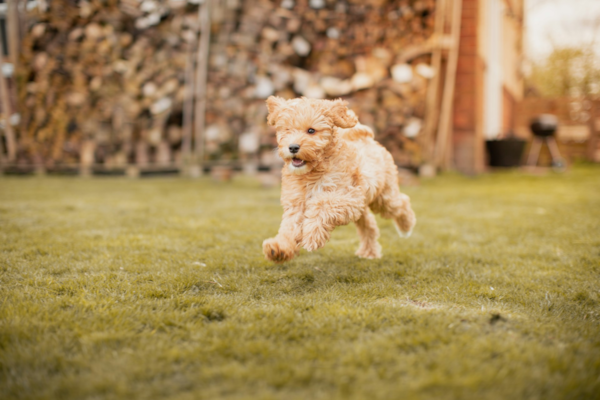
Published Friday, April 10, 2026 by Elena R. in Popular Dogs, New Puppy
Mini Cockapoos have become a favorite for a simple reason: they bring together many of the traits dog owners want most in one compact, lovable package. By combining the affectionate, merry nature of the Cocker Spaniel with the intelligence and low-shedding coat often associated with the Miniature Poodle, this mix appeals to families, singles, and first-time owners alike. The result is a dog that feels both playful and practical, small enough for modern living, but sturdy and social enough to be deeply involved in everyday family life.
In this guide, we’ll cover what matters when you’re researching Mini Cockapoos: how big they get, what their temperament is really like, how much care they need, what they may cost, and whether they’re the right fit for your lifestyle. Rather than treating them as just another cute doodle mix, we’ll look at the traits that shape the Mini Cockapoo as a companion dog, especially the ones that affect daily life, training, grooming, and long-term ownership. Because while their teddy bear looks may be what catch your eye first, it’s their temperament, trainability, and adaptability that explain why so many people keep coming back to this cross.
Table of Contents
- Why Mini Cockapoos Are So Popular
- What is a Mini Cockapoo?
- Mini Cockapoo Size
- Mini Cockapoo Coat Types
- Mini Cockapoo Generations Explained (F1, F1b, F2)
- Mini Cockapoo Temperament: What to Expect
- Is a Mini Cockapoo Right for Your Lifestyle?
- Mini Cockapoo Diet, Exercise, & Grooming
- Training a Mini Cockapoo
- How Much Does a Mini Cockapoo Cost?
- Final Thoughts: Why Mini Cockapoos Are One of the Best Companion Dogs
Why Mini Cockapoos Are So Popular
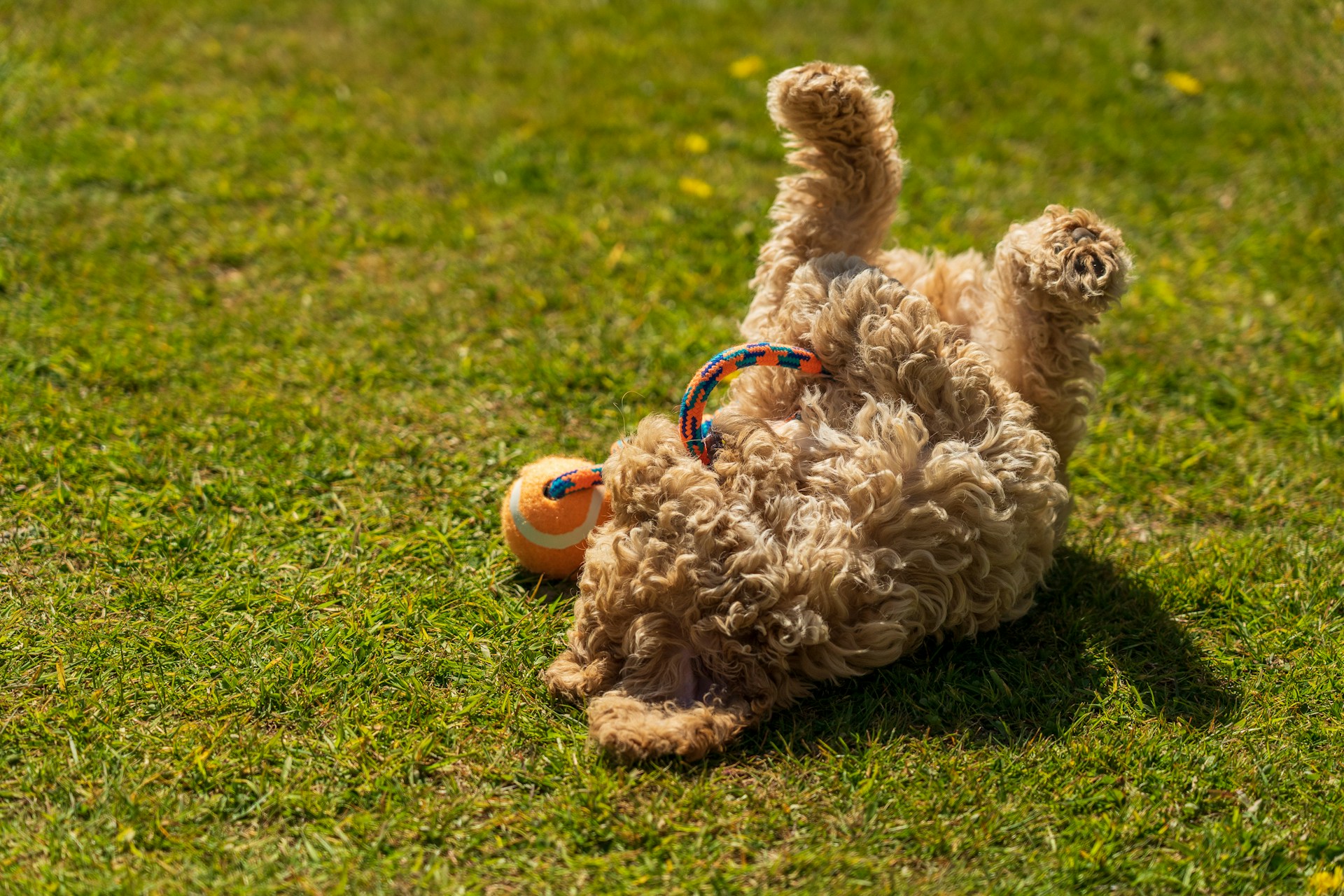
Mini Cockapoos line up neatly with the way many people live now. Buyers are often looking for a dog that is affectionate without being oversized, smart without being overwhelming, and active without needing acres of space. Mini Cockapoos fit that sweet spot. Cockapoos are widely described as versatile companion dogs, and the Poodle side adds the intelligence and lower-shedding coat that many households actively search for when comparing doodle breeds.
Their appeal also comes from balance. The Cocker Spaniel contributes warmth, sociability, and a cheerful personality, while the Miniature Poodle brings responsiveness, athleticism, and strong trainability. That combination gives Mini Cockapoos a broad appeal across different kinds of homes. They’re small enough to be manageable, but they usually don’t have the extra-fragile feel that can come with the tiniest companion breeds. They’re playful, but not typically so intense that they feel like a full-time job. And for many owners, their coat type is a major draw: not maintenance-free, of course, but often a better fit for people who want less shedding around the house.
Just as important, Mini Cockapoos suit the emotional role many people want a dog to play. They are companion-oriented by design. This is the kind of dog people choose when they want a pet that joins in on walks, on the couch, on errands, and in the rhythm of daily life. That “always near you” quality is a huge part of their charm, and it’s one reason Cockapoos continue to stand out in the crowded world of Poodle mixes.
Who Should Consider a Mini Cockapoo?
Mini Cockapoos make the most sense for people who want an engaged, people-focused companion rather than a highly independent dog. They tend to be a strong match for families, couples, solo owners, and seniors who have time to include a dog in their daily routine. Because Cocker Spaniels are known for their affectionate, family-friendly temperament, and Miniature Poodles are prized for intelligence and trainability, this mix often appeals to owners who want a dog that is both loving and easy to teach.
They can also be a smart choice for first-time dog owners as long as those owners understand what comes with a doodle-type coat and a companion-breed mindset. A Mini Cockapoo may be easier to train than many breeds thanks to the Poodle influence, but that does not mean hands-off. These dogs typically do best with regular grooming, steady routines, daily exercise, and a home where they are not left alone for long stretches too often. Their appeal is strongest in households that want interaction, responsiveness, and closeness.
They are especially worth considering for people who want a smaller dog without giving up personality, trainability, or family compatibility. In other words, if you’re looking for a compact companion that can keep up with real life, settle into different home environments, and build a strong bond with its people, the Mini Cockapoo deserves a serious look.
RELATED: Learn Everything You Need To Know About Cockapoos
What is a Mini Cockapoo?
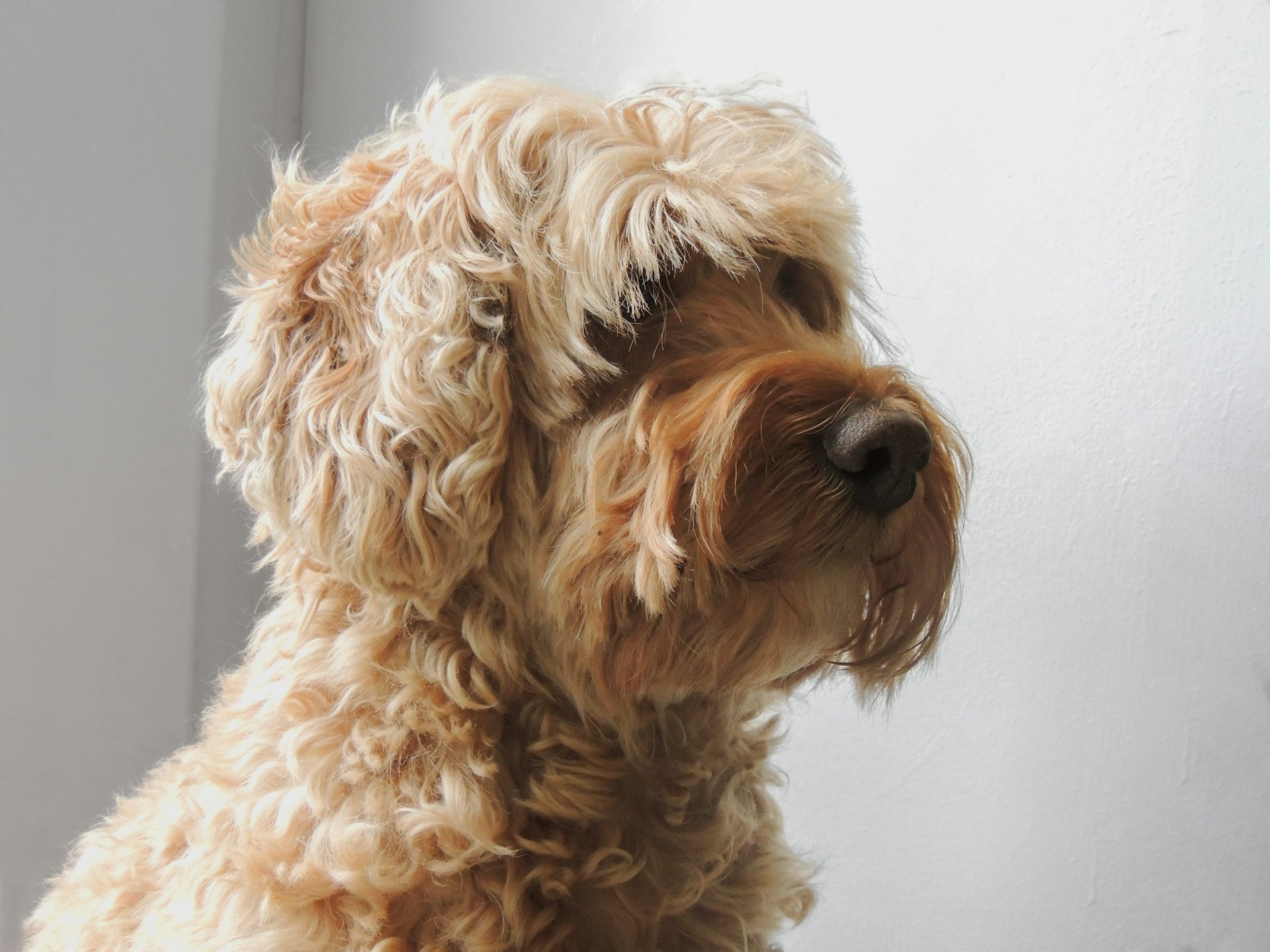
A Mini Cockapoo is a size-specific variation of the Cockapoo, bred by pairing a Cocker Spaniel with a Miniature Poodle to produce a more consistent, mid-sized companion dog. While “Cockapoo” is often used as a broad term, it can include dogs of very different sizes depending on the Poodle parent. The “mini” designation narrows that range, focusing on a dog that is small enough to be manageable in everyday settings, but still sturdy and adaptable.
This distinction matters more than it might seem. One of the challenges with mixed breeds is variability, especially in size and coat. Mini Cockapoos are bred with more control in mind, which helps reduce that unpredictability. For owners, that translates into clearer expectations around how the dog will fit into their home, routine, and lifestyle over time.
Beyond size, Mini Cockapoos are defined by their role. They are companion dogs first. That means their temperament, energy level, and trainability are all shaped around living closely with people. They are not bred for guarding, independence, or high-intensity working roles. Instead, they are designed to be responsive, social, and adaptable. These are traits that tend to hold up well across different types of households.
Mini Cockapoo vs Standard Cockapoo (Key Differences)
The difference between a Mini Cockapoo and a standard Cockapoo comes down to how tightly the outcome is controlled. A standard Cockapoo can be bred using a Toy, Miniature, or even larger Poodle, which creates a wide range of possible sizes and builds. Two dogs labeled “Cockapoo” may end up looking and functioning quite differently as adults.
Mini Cockapoos are more narrowly defined. By using a Miniature Poodle consistently, breeders are able to produce dogs that fall within a smaller, more predictable range. This doesn’teliminate variation entirely, but it does reduce it enough that owners can make more informed decisions when choosing a puppy.
That consistency also affects day-to-day expectations. With a Mini Cockapoo, it’s easier to anticipate things like space requirements, exercise needs, and handling. With a broader Cockapoo classification, those factors can shift more depending on the individual dog.
How Mini Cockapoos Are Bred (Size Control Explained)
Mini Cockapoos are the result of selective pairing rather than chance. Breeders aiming for this size category will use a Cocker Spaniel and a Miniature Poodle specifically, avoiding larger or smaller Poodle variations that would widen the outcome.
In more established breeding programs, this approach is often carried across multiple generations. By continuing to breed within a similar size range, breeders can gradually stabilize traits like adult weight, height, and coat type. This is especially relevant for buyers who are trying to avoid large swings in size or maintenance needs as the dog matures.
Even with this level of control, it’s still a mixed breed. There will always be some variation from one dog to another. But compared to less structured crosses, Mini Cockapoos tend to show more consistency in the traits that matter most for ownership, particularly size, coat behavior, and general temperament.
Parent Breed Influence Breakdown
The Mini Cockapoo’s behavior and appearance are shaped directly by the two breeds behind it, and each contributes in a fairly distinct way.
The Cocker Spaniel side is where much of the breed’s social nature comes from. These dogs are typically people-focused, emotionally responsive, and comfortable in family environments. That influence shows up in how Mini Cockapoos interact as they tend to seek out attention, stay close to their owners, and respond quickly to changes in mood or routine.
The Miniature Poodle contributes structure. This includes problem-solving ability, responsiveness to training, and a coat that is more likely to shed less than average. It also adds a level of adaptability, particularly when it comes to learning routines or adjusting to different living environments.
RELATED: Top 12 Pros and Cons of Owning a Cockapoo
Mini Cockapoo Size

Size is one of the main reasons people choose a Mini Cockapoo over other doodle mixes. It offers a level of predictability that makes planning easier, whether that’s for space, travel, or daily care. While no mixed breed is perfectly uniform, Mini Cockapoos tend to fall within a fairly reliable range when bred intentionally.
Most Mini Cockapoos reach an adult weight between 13 and 25 pounds and stand roughly 11 to 15 inches tall at the shoulder. That places them in a practical middle ground. They’re small enough to be easy to handle and live comfortably in smaller spaces, but not so small that they feel fragile or overly delicate.
Growth happens quickly in the early months, and like most small-to-medium dogs, Mini Cockapoos do the majority of their physical development within the first year. What matters more than exact numbers, though, is understanding how that growth unfolds over time and what to expect at each stage.
Average Weight and Height by Age
Mini Cockapoos follow a fairly typical small-breed growth pattern, with the most noticeable changes happening in the first six months. During this period, they gain weight steadily and begin to take on their overall structure.
At around 8 weeks, most Mini Cockapoo puppies weigh between 3 and 6 pounds. By 3 months, they often reach 6 to 10 pounds, with their legs lengthening and their body starting to proportion out. Around 6 months, many Mini Cockapoos are already close to their adult height and weigh somewhere in the 10 to 18-pound range.
From that point on, growth slows. Between 6 and 12 months, the focus shifts from rapid size increase to gradual filling out. Muscle develops, the chest broadens slightly, and the coat becomes more defined. By the time they reach their first birthday, most Mini Cockapoos are either at or very close to their full adult size.
Because this is a mixed breed, there can still be variation depending on genetics. Puppies with a slightly larger Cocker Spaniel influence may land toward the higher end of the range, while those leaning more toward the Miniature Poodle may stay smaller.
When Do Mini Cockapoos Stop Growing?
Most Mini Cockapoos reach their full height by around 6 to 8 months of age, but they don’t fully mature at that point. Like many dogs, they continue to develop in other ways beyond that stage.
Between 8 and 12 months, you’ll notice subtle changes rather than major growth. Their frame fills out, their posture becomes more defined, and their overall build looks more “finished.” Some may continue to gain small amounts of weight up until around 12 to 14 months, especially as muscle develops.
Mini Cockapoo Coat Types
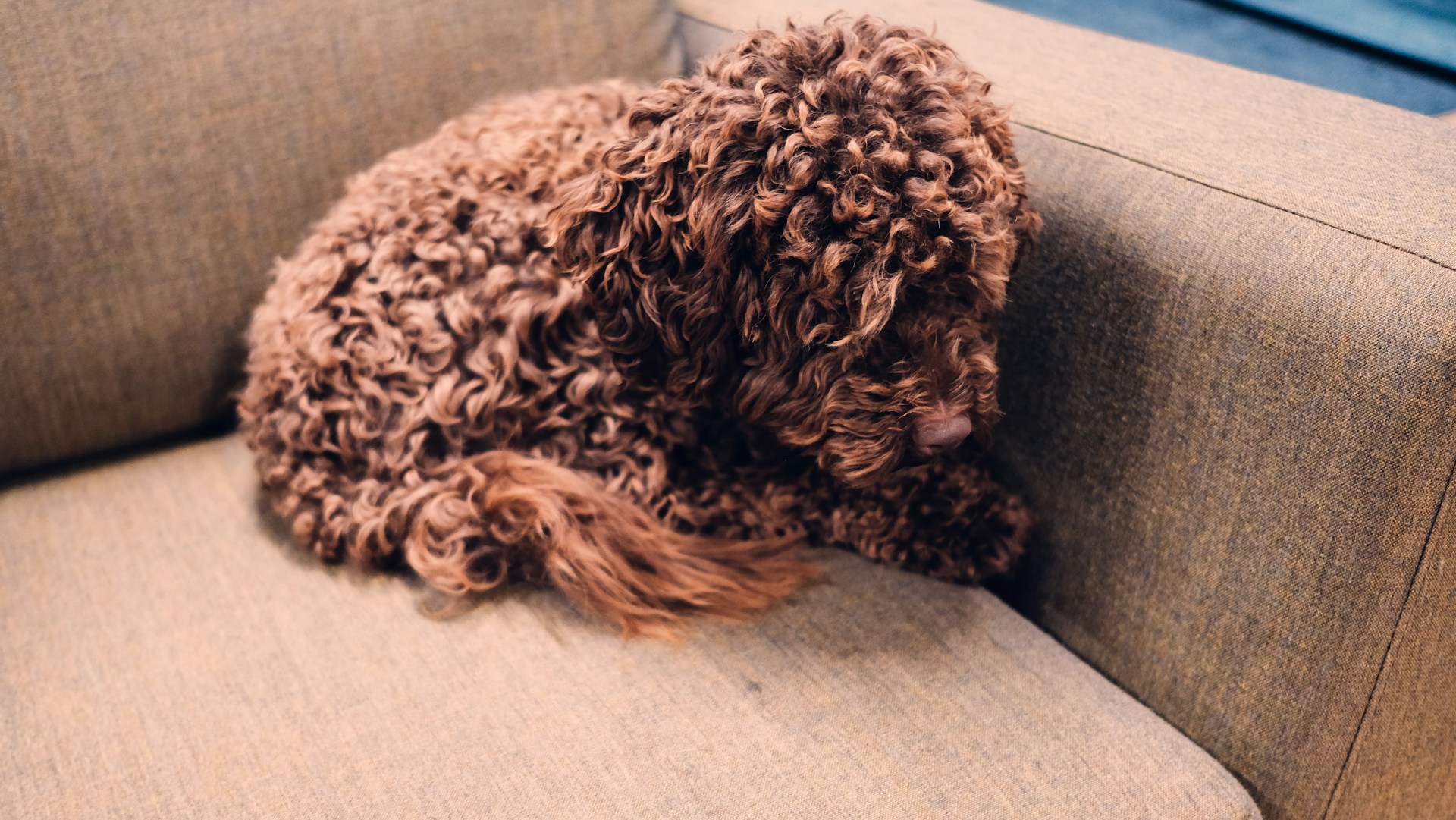
One of the most noticeable variations in Mini Cockapoos is their coat. This is where the influence of the parent breeds shows up most clearly, and it can affect appearance, but also maintenance.
A curly coat, closer to the Poodle side, tends to be denser and more structured. This type is often associated with lower shedding, but it does require consistent grooming to prevent matting. A wavy coat, often described as the “teddy bear” look, is the most common. It sits between the two parent breeds, offering a softer texture and a balanced level of maintenance.
A straighter coat, which leans more toward the Cocker Spaniel, is less common in Mini Cockapoos but still possible. This type may shed slightly more and typically requires less intensive brushing, though regular grooming is still important.
No coat type is completely maintenance-free. Even lower-shedding coats require routine brushing and occasional professional grooming to stay in good condition.
Colors and Appearance Variations
Mini Cockapoos come in a wide range of colors, which adds to their appeal but also contributes to their individuality. Common shades include cream, apricot, red, chocolate, black, and white, along with combinations such as parti-color or abstract markings.
Color can change slightly over time, especially in puppies with Poodle influence. It’s not unusual for a darker puppy to lighten as it matures, or for subtle variations to become more noticeable as the adult coat comes in.
In terms of overall appearance, Mini Cockapoos tend to have a balanced, compact build with soft facial features. Their eyes are typically round and expressive, their ears sit low and frame the face, and their coat gives them that familiar, slightly rounded outline that people often associate with doodle breeds.
While individual dogs will always vary, the general look remains consistent enough that most Mini Cockapoos are immediately recognizable. It’s a combination of structure, coat, and expression that reflects both parent breeds without leaning too heavily in one direction.
RELATED: Complete Cockapoo Colors Guide: Patterns, Fading + Photos
Mini Cockapoo Generations Explained (F1, F1b, F2)
If you’ve been researching Mini Cockapoos, you’ve likely come across terms like F1, F1b, and F2. These labels refer to how a dog is bred, not the breed itself, but they can influence things like coat type, shedding, and overall predictability.
This is one of the more misunderstood areas of doodle puppies. The labels can sound technical, but in practice, they’re simply a way of describing how closely a dog leans toward one parent or how consistent certain traits are likely to be.
For most owners, generations matter less than the individual dog and the quality of the breeding program. Still, understanding the basics helps set clearer expectations, especially when it comes to coat behavior and maintenance.
What Each Generation Means
At the most basic level, generations describe the mix between the Cocker Spaniel and the Miniature Poodle, and whether that mix has been repeated or adjusted over time.
An F1 Mini Cockapoo is a first-generation cross. One parent is a purebred Cocker Spaniel, and the other is a purebred Miniature Poodle. This creates a 50/50 genetic split. Because it’sa direct mix, traits can vary more from one puppy to another. Some may lean more toward the Spaniel, others toward the Poodle.
An F1b Mini Cockapoo is a backcross. This usually means an F1 Cockapoo is bred again with a Miniature Poodle. The result is a dog that carries more Poodle influence. This is often done to increase consistency in certain traits, particularly coat type.
An F2 Mini Cockapoo is produced by breeding two Cockapoos together, typically two F1s. This keeps the mix within the same breed combination but can reintroduce more variation, depending on how traits are inherited.
These labels don’t determine personality or quality on their own. They simply describe the structure of the breeding.
Coat Predictability and Hypoallergenic Traits
One of the main reasons generations are discussed so often is because of their connection to coat predictability and shedding.
F1 Mini Cockapoos tend to have more variation in coat type. Some develop wavier coats, others curlier, and a few may lean straighter. Shedding levels can also vary slightly from dog to dog within the same litter.
F1b Mini Cockapoos are generally more consistent in this area. Because of the stronger Poodle influence, they are more likely to develop curlier, lower-shedding coats. This is why they are often preferred by owners who are specifically looking for a dog that produces less dander.
F2 Mini Cockapoos can be less predictable again. Since they are bred from two mixed parents, coat traits can combine in different ways. Some may resemble F1 dogs, others may lean more strongly in one direction.
It’s important to keep expectations realistic. No Mini Cockapoo is completely hypoallergenic, but some coat types are more manageable for people with mild sensitivities. Grooming also plays a major role as coat maintenance can influence how much loose hair and dander are present in the home.
RELATED: Are Cockapoos Hypoallergenic? Do Cockapoos Shed?
Which Generation Should You Choose?
Choosing between generations comes down to what you value most between predictability, appearance, or flexibility.
If you’re looking for a more balanced mix of traits and don’t mind some variation, an F1 Mini Cockapoo is often a solid choice. They reflect both parent breeds more evenly and tend to have that classic “Cockapoo” look and temperament.
If your priority is a more consistent, lower-shedding coat, an F1b Mini Cockapoo is often the more reliable option. This is especially relevant for owners who are focused on grooming outcomes or managing allergens.
An F2 Mini Cockapoo may appeal to those who are less focused on predictability and more open to variation in appearance and coat type.
In practice, generation is just one piece of the decision. The breeder’s approach, the health and temperament of the parents, and how the puppies are raised often have a greater impact on the outcome than the label alone.
For most buyers, the best approach is to use generation as a guideline and not a deciding factor and focus on the overall quality and fit of the individual dog.
RELATED: Popular Cockapoo Generations Explained: F1, F1b, F2, Multigen
Mini Cockapoo Temperament: What to Expect
Temperament is where the Mini Cockapoo tends to stand out most, and it’s often the deciding factor for people choosing this breed. While appearance and size draw initial interest, it’s their day-to-day behavior that determines whether they’re the right fit long term.
Mini Cockapoos are best understood as companion-oriented dogs with a responsive, people-focused nature. They are not typically independent or aloof. Instead, they are wired to engage with their owners, their environment, and whatever is happening around them. This makes them feel very present in a home, but it also means they rely more on interaction than some other breeds.
When bred and raised well, their temperament tends to be balanced. They are playful without being overwhelming, affectionate without being overly demanding, and intelligent without being difficult to manage. That balance is what makes them appealing across such a wide range of households, but it also comes with certain expectations around attention, structure, and consistency.
Personality Traits (Affection, Energy, Sensitivity)
At their core, Mini Cockapoos are affection-driven dogs. They tend to form strong attachments to their owners and prefer to stay close, whether that means following their owners around like a shadow or settling nearby when things are quiet. This isn’t clinginess in the negative sense; it’s more a reflection of how they’re wired as companion animals.
Their energy level sits in a moderate range. Most Mini Cockapoos enjoy daily activity like walks, play sessions, or interactive games, but they don’t usually require the level of exercise that high-drive working breeds do. They are active enough to engage, but adaptable enough to settle when the environment is calm.
Sensitivity is another defining trait. Mini Cockapoos are generally quick to pick up on tone, routine, and changes in their environment. This works in their favor during training, as they tend to respond well to positive reinforcement and clear structure. At the same time, it means they don’t respond as well to inconsistency or harsh handling. A steady, predictable approach tends to bring out the best in them.
Are Mini Cockapoos Good with Kids and Pets?
Mini Cockapoos are often chosen for family environments because of their social and adaptable nature. When properly socialized, they tend to interact well with children. They have a mix of playfulness and patience that fits naturally into a household setting.
That said, compatibility depends on structure as much as temperament. Like any dog, they do best when interactions are guided, especially with younger children. Their size makes them more resilient than very small breeds, but they still benefit from respectful handling and clear boundaries.
With other pets, Mini Cockapoos are generally cooperative. Their temperament leans toward friendly rather than territorial, which makes introductions smoother in many cases. Early exposure helps, particularly when it comes to building confidence around other dogs or animals.
Overall, they are not a breed that tends to create friction in a home. Their default approach is to integrate rather than compete, which is a key reason they’re often recommended for multi-pet households.
Do Mini Cockapoos Bark or Have Behavior Issues?
Mini Cockapoos are not typically excessive barkers, but they are alert and aware of their surroundings. They may bark to signal something new such as a visitor, a sound, or activity outside, but this behavior is usually manageable with consistent training.
More important than barking is understanding how behavior develops. Most issues seen in Mini Cockapoos are not breed-specific problems, but rather the result of under-stimulation, lack of structure, or inconsistent routines. Because they are intelligent and people-focused, they tend to notice when those elements are missing.
For example, without enough mental engagement, some may become restless or vocal. Without clear boundaries, they may develop habits like jumping or attention-seeking behaviors. These are not fixed traits. They are patterns that can be shaped early with the right approach.
Mini Cockapoos respond well to guidance. Their temperament leans toward cooperation, which makes it easier to correct unwanted behaviors before they become ingrained.
RELATED: Do Cockapoos Bark a Lot?
Separation Anxiety in Mini Cockapoos
One of the more important considerations with Mini Cockapoos is their tendency toward separation sensitivity. Because they are strongly people-oriented, they don’t always handle long periods of isolation well. especially if they haven’t been gradually conditioned to it.
This doesn’t mean every Mini Cockapoo will develop separation anxiety, but the potential is there if their needs for interaction and routine aren’t met. Signs can include restlessness, vocalization, or changes in behavior when left alone.
The key factor is preparation. Dogs that are introduced early to short, manageable periods of alone time tend to adjust better. Structure also plays a role. Having a predictable routine, adequate exercise, and mental stimulation can make a noticeable difference in how they cope with time apart.
For households where someone is home frequently, or where arrangements can be made for regular interaction, this is rarely a major issue. But it’s something worth understanding, especially for owners with long workdays or unpredictable schedules.
RELATED: Are Cockapoo Good Dogs?
Is a Mini Cockapoo Right for Your Lifestyle?
Choosing a Mini Cockapoo isn’t just about liking how they look or reading that they’re “good family dogs.” The better question, and the one that actually determines long-term success, is how well their needs line up with your daily life.
Mini Cockapoos are adaptable, but they are not low-engagement dogs. They tend to do best in homes where they are part of the routine rather than on the sidelines. Their temperament, energy level, and social nature all point in the same direction: they are built to live closely with people, not independently of them.
That doesn’t make them difficult to own, but it does mean they’re a better fit for some lifestyles than others. Understanding where they fit naturally helps avoid the common mismatch that leads to frustration later on.
Apartment Living vs Houses
Mini Cockapoos generally adapt well to different living environments, including apartments. Their size and moderate exercise needs make them manageable in smaller spaces, provided their daily activity and interaction requirements are met.
What matters more than square footage is routine. A Mini Cockapoo living in an apartment with regular walks, structured play, and consistent interaction will typically do better than one in a large home with little engagement. They don’t rely on space to burn energy. They rely on activity and attention.
That said, environment still plays a role. In shared spaces, things like noise sensitivity and alert barking can become more noticeable if not managed early. With basic training and consistency, these are usually controllable, but they shouldn’t be ignored.
In a house setting, especially with access to a yard, the margin for flexibility increases. There’s more room for movement and variation in routine, which can make day-to-day management easier. Still, even with outdoor space, Mini Cockapoos don’t replace interaction with independence. A yard is a supplement, not a substitute.
First-Time Owners: What to Expect
Mini Cockapoos are often recommended for first-time owners, but that recommendation comes with context. They are easier to train than many breeds because of their responsiveness and intelligence, but they still require structure and follow-through.
For someone new to dog ownership, what stands out most is how quickly they engage. They tend to pick up on routines, respond to tone, and learn patterns early. That makes early training more straightforward, especially when it’s done using consistent, positive methods.
At the same time, their sensitivity means they don’t respond well to inconsistency. Mixed signals, irregular schedules, or reactive handling can slow progress. First-time owners who do well with Mini Cockapoos are usually the ones who approach things steadily in setting routines, reinforcing behavior clearly, and staying patient during the early stages.
They are not a “set it and forget it” breed. But for someone willing to stay involved, they are one of the more manageable entry points into dog ownership.
Time Commitment and Daily Needs
The biggest factor in whether a Mini Cockapoo is the right fit comes down to time. Not just for basic care, but for interaction.
On a typical day, they need a combination of physical activity, mental engagement, and social contact. This doesn’t mean hours of intense exercise, but it does mean consistent involvement. Walks, short training sessions, playtime, and general presence all contribute to how balanced they feel.
When those needs are met, Mini Cockapoos tend to settle well. They are capable of relaxing and adjusting to quieter periods. When those needs are ignored, however, their behavioroften reflects it, usually through restlessness, attention-seeking, or increased barking.
They also do best with some level of predictability. Regular feeding times, consistent activity, and a stable daily rhythm help them adjust and reduce stress. This is especially important in the early months, but it continues to matter as they mature.
Mini Cockapoos are a strong fit for households where someone is around for a good portion of the day, or where time can be set aside consistently for engagement. They are less suited to homes where they are left alone for long, unpredictable stretches without preparation.
RELATED: Male vs Female Cockapoo: Which Is Better for You?
Mini Cockapoo Diet, Exercise, & Grooming
Caring for a Mini Cockapoo is less about complexity and more about consistency. They are not a high-maintenance breed in the traditional sense, but they do require regular attention across a few key areas to stay balanced and healthy.
Because of their mixed background, their needs sit somewhere in the middle. They don’t require extreme exercise, but they do need daily activity. Their coat is often low-shedding, but not low-maintenance. And while they are generally adaptable, they respond best to structure and routine.
Feeding and Nutrition
Mini Cockapoos do best on a balanced diet that supports steady energy without overfeeding. Because they fall into a small-to-medium size range, portion control matters more than it might with larger breeds.
Most adult Mini Cockapoos require two measured meals per day, with portion sizes adjusted based on weight, activity level, and metabolism. High-quality dry food formulated for small or medium breeds is commonly used, though some owners incorporate wet food or fresh options depending on preference and budget.
The key factor is ingredient quality. Diets that prioritize real protein sources, moderate fat levels, and limited fillers tend to support better coat condition, stable energy, and overall health. Overfeeding, on the other hand, can lead to gradual weight gain, which is easier to overlook in a compact breed.
Puppies follow a slightly different schedule, often requiring three smaller meals per day during early growth stages. As they mature, this typically transitions into a standard twice-daily routine.
Consistency matters here as much as quality. Sudden changes in diet can lead to digestive issues, so any adjustments should be made gradually.
RELATED: Cockapoo Diet: Complete Feeding Guide For Cockapoos
Mini Cockapoo Exercise Needs
Mini Cockapoos have moderate exercise needs, which makes them manageable for most households. They require daily activity, but not at an intensity that dominates the entire day.
A typical routine includes one or two walks combined with short periods of play or interaction. This can range from structured walks to indoor games, depending on the environment. What matters most is that both physical and mental stimulation are included.
They are not a breed that benefits from being left to entertain themselves for long periods. Without enough engagement, they may become restless or develop attention-seeking behaviors. With the right balance, however, they tend to settle well and adjust to the pace of the home.
Exercise also plays a role in behavior. Regular activity helps regulate energy levels and supports focus during training. It doesn’t need to be excessive, just consistent.
RELATED: How Long Do Cockapoos Live? Cockapoo Lifespan – A Guide to Longevity
Grooming Needs & Maintenance by Coat Type
Grooming is one of the more important ongoing commitments with a Mini Cockapoo, particularly because of the variation in coat types.
Dogs with curlier, more Poodle-like coats typically require frequent brushing to prevent tangling and matting, along with regular trimming to maintain shape and manageability. Wavier coats are often easier to maintain but still benefit from consistent brushing several times per week.
Even though many Mini Cockapoos shed less than average, their coats continue to grow. That means grooming is not optional. It simply takes a different form compared to heavier-shedding breeds.
Most owners rely on professional grooming every 6 to 8 weeks, combined with at-home maintenance in between. This helps keep the coat clean, reduces the risk of matting, and makes day-to-day care more manageable.
Bathing is usually done as needed, depending on activity level and coat condition, rather than on a fixed schedule.
RELATED: Cockapoo Grooming Guide: Pictures, Expert Tips & More
Teeth, Ears, and Nail Care
Beyond coat care, basic hygiene plays a key role in long-term health. Mini Cockapoos, like many smaller breeds, can be prone to dental buildup if teeth are not maintained regularly.
Brushing their teeth a few times per week helps reduce plaque and supports overall oral health. It’s a simple routine, but one that has a noticeable impact over time.
Ear care is also important, especially given their ear structure. Their floppy ears can limit airflow, which creates a higher chance of moisture buildup. Regular checks and gentle cleaning help prevent irritation or infection.
Nail care is more straightforward but often overlooked. Nails should be trimmed consistently to avoid overgrowth, which can affect posture and comfort. For dogs that don’t naturally wear them down through activity, this becomes part of the regular routine.
RELATED: Introduction to Cockapoo Haircuts and Grooming Styles
Training a Mini Cockapoo
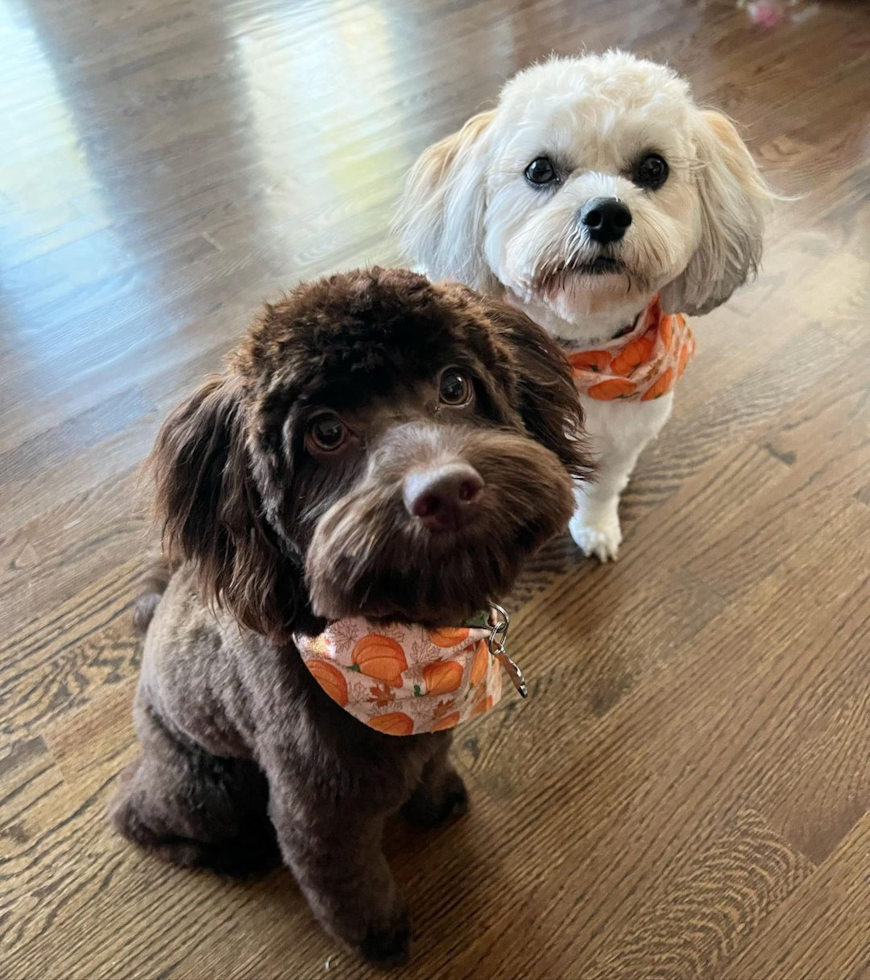
Training is one of the areas where Mini Cockapoos tend to stand out in a practical way. Their combination of intelligence and responsiveness makes them relatively straightforward to work with, especially compared to breeds that are more independent or less engaged.
That said, “easy to train” doesn’t mean automatic. Like most things with this breed, outcomes depend on consistency. Mini Cockapoos tend to learn quickly when expectations are clear, routines are stable, and reinforcement is timely. When those elements are missing, progress can slow. This is not because the dog isn’t capable, but because the structure isn’tthere.
Training, in this case, is less about complexity and more about establishing patterns early and maintaining them over time.
Are Mini Cockapoos Easy to Train?
In most cases, yes. Mini Cockapoos are highly responsive to people, which makes training more efficient. They tend to pick up on repetition, tone, and routine quickly. This allows them to learn basic commands and expected behaviors faster than many breeds. It also means they respond well to positive reinforcement. Rewarding the behavior you want tends to produce consistent results.
However, that same responsiveness can work in the opposite direction if training is inconsistent. Mixed signals, irregular routines, or unclear expectations can lead to confusion just as quickly as good structure leads to progress.
Potty Training Timeline and Tips
Potty training follows a fairly typical timeline, but consistency is what determines how smoothly it goes.
Most Mini Cockapoo puppies can begin forming reliable habits within the first few weeks at home, with more consistent results developing by around 3 to 4 months of age. Full reliability often takes longer, especially as routines adjust and distractions increase.
The key factors are timing and repetition. Regularly scheduled breaks after meals, naps, and play help establish patterns. Using the same location reinforces those patterns, making it easier for the dog to understand expectations.
Accidents are part of the process, particularly early on. What matters is how they are handled. Quiet correction and immediate redirection tend to be more effective than reactive responses, especially with a breed that is sensitive to tone. Over time, consistency in routine usually leads to consistency in behavior.
Obedience and Commands
Basic obedience training is where Mini Cockapoos tend to progress quickly. Commands like sit, stay, come, and leash behavior are typically picked up without much resistance when introduced early.
Short, focused training sessions tend to work best. Because they are attentive but not endlessly focused, keeping sessions structured and manageable helps maintain engagement. Repetition builds familiarity, and familiarity leads to reliability.
They also tend to respond well to routine-based learning. When commands are tied into everyday activities such as sitting before meals or waiting at doors, they become part of normal behavior rather than isolated tasks. The goal isn’t just command recognition, but consistency across different situations. That’s what turns basic training into usable behavior in real environments.
Socialization and Behavior Shaping
Socialization plays a central role in how a Mini Cockapoo develops over time. Early exposure to different environments, people, and situations helps build confidence and reduces the likelihood of reactive behavior later on.
Because they are naturally social, Mini Cockapoos often adapt well, but that doesn’t mean exposure should be left to chance. Structured, positive experiences tend to produce the best results. This includes controlled introductions to other dogs, varied environments, and everyday situations like walking in busier areas.
Behavior shaping continues beyond early socialization. Consistent expectations, clear boundaries, and reinforcement over time help define how the dog responds in different settings.
RELATED: Cockapoo Training Guide: How to Train a Cockapoo the Right Way
How Much Does a Mini Cockapoo Cost?

The cost of a Mini Cockapoo isn’t limited to the initial purchase price. While that’s often the first number people focus on, the more important question is what it takes to own one over time.
Mini Cockapoos sit in a higher price category compared to many traditional breeds, largely due to demand, breeding practices, and their position within the designer dog market. But price alone doesn’t tell the full story. What matters is understanding how that cost is structured both upfront and ongoing, so there are no surprises after bringing a puppy home.
Puppy Price Range
Most Mini Cockapoo puppies from reputable breeders fall within the range of $1,500 to $4,000. The variation comes down to factors like breeder standards, location, lineage, and coat type.
At the lower end of the range, you’ll typically find smaller-scale breeders or less established programs. At the higher end, prices often reflect more structured breeding practices that include health testing, early socialization, and controlled pairing for size and coat consistency.
Coat traits can also influence pricing. Puppies that are more likely to develop curlier, lower-shedding coats are often priced higher due to demand. Size consistency and overall appearance may also play a role.
It’s important to separate price from value. A higher price doesn’t automatically guarantee quality, but significantly lower prices can sometimes indicate corners being cut, particularly around health screening or early care. In most cases, reputable breeders are transparent about what’s included and how their dogs are raised.
Reservation is less common with Mini Cockapoos, but when available through rescues or shelters, costs are typically much lower, often in the $300 to $800 range. Availability, however, can be limited due to demand.
Monthly Ownership Costs
Once the initial purchase is behind you, the focus shifts to ongoing expenses. For a Mini Cockapoo, these tend to fall into a moderate range compared to other companion breeds.
On average, monthly costs typically include:
- Food, based on quality and portion size
- Routine grooming, especially for coat maintenance
- Basic supplies, such as treats, toys, and hygiene items
- Preventative veterinary care, including medications or check-ups
Taken together, most owners spend approximately $100 to $250 per month, depending on how they manage grooming and food choices. Professional grooming alone can account for a noticeable portion of that, particularly for dogs with curlier coats that require regular maintenance.
These costs are relatively stable once routines are established, but they are ongoing. Mini Cockapoos are not a low-cost breed to maintain; they are simply manageable when planned for properly.
Hidden Costs Most Owners Miss
The less obvious costs are often the ones that catch new owners off guard. These aren’t constant expenses, but they do come up, and planning for them makes a difference.
Initial setup is one example. Items like a crate, bedding, grooming tools, and basic supplies can add up quickly in the first few weeks. Training is another factor. While many owners handle basic training themselves, some choose to invest in classes or professional guidance, especially during the early stages.
Veterinary costs can also extend beyond routine care. Unexpected issues, even minor ones, can lead to additional visits or treatments. Insurance is one way some owners manage this.
There’s also the cost of time. While not financial in the traditional sense, it directly affects how much support you may need, whether that’s pet sitters, daycare, or adjustments to your schedule.
None of these costs are unusual, but they are often underestimated. Understanding them upfront helps create a more realistic picture of ownership, which ultimately leads to a better experience for both the dog and the owner.
Final Thoughts: Why Mini Cockapoos Are One of the Best Companion Dogs
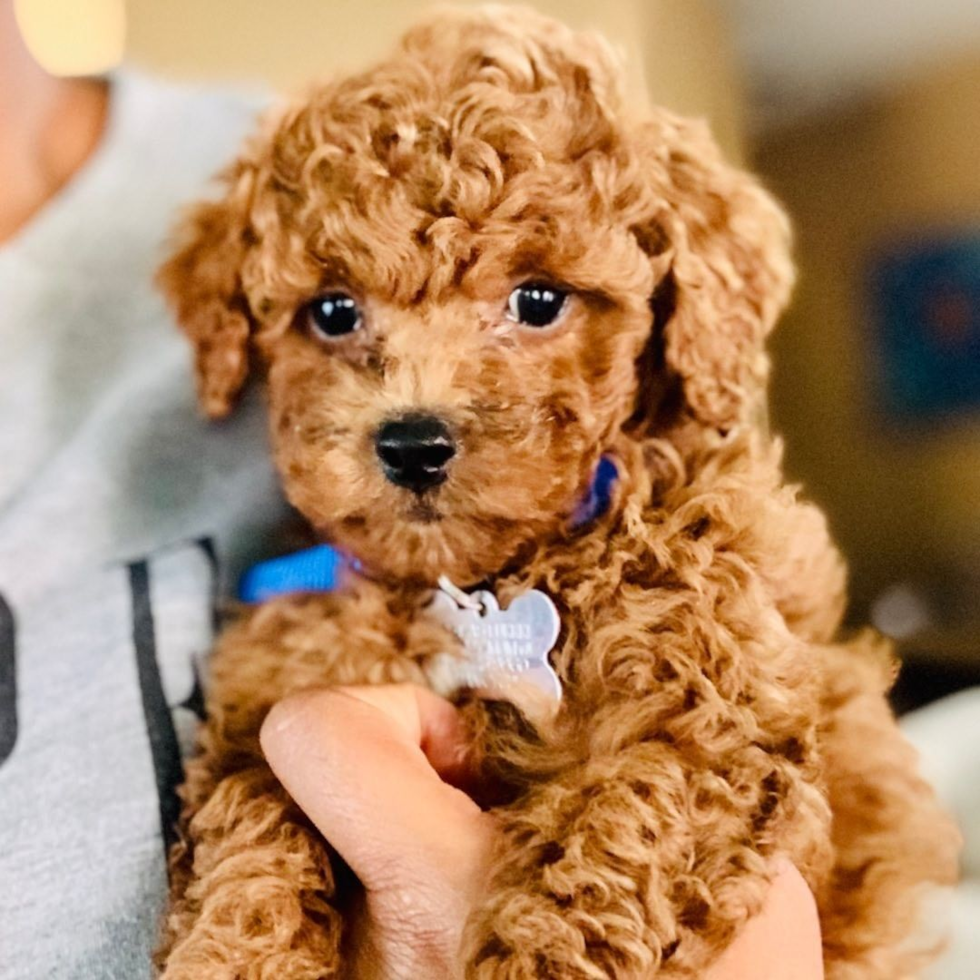
Mini Cockapoos stand out not because of how well their traits come together. They offer a level of balance that is difficult to find in many breeds: size that fits comfortably into modern living, a temperament that leans strongly toward companionship, and an intelligence level that makes them responsive without being difficult to manage.
Mini Cockapoos are at their best in environments where they are included, guided, and given structure. They are not designed to be independent or low-engagement pets. Instead, they are built to be part of the day-to-day. They adapt to routines, respond to their owners, and integrate nicely into the rhythm of the home.
That combination is what makes them such a strong choice for a wide range of people. For first-time owners, they offer a manageable learning curve. For families, they bring a social and adaptable presence. For individuals or smaller households, they provide consistent companionship without overwhelming space or care requirements.
At the same time, they are not a perfect fit for every situation. Their need for interaction, routine, and ongoing care, especially grooming, means they require a level of commitment that shouldn’t be overlooked. When those needs are met, however, they tend to be reliable, stable, and easy to live with over the long term.
Scroll down to see FAQs about Mini Cockapoos.
Elena R.
About The Author
Elena is a leading expert in the field of dog behavior, care, and training, with over a decade of experience in writing about dogs. As a published writer and lifelong dog enthusiast, Elena currently shares her home with three beloved canine companions. She is dedicated to staying up to date on the latest advancements in dog care and training, ensuring that her articles provide readers with accurate and valuable insights. With her extensive knowledge and passion for all things canine, Elena's contributions to the Premier Pups community offer both expertise and authority on a wide range of dog-related topics.
What To Read Next
Toy Cockapoos Guide
Toy Cockapoos are one of the smallest variations of the Cockapoo, bred by crossing a Cocker Spaniel with a Toy Poodle. They are designed for people who want a compact, easy-to-manage companion without giving up personality or trainability. Small in size but active... Read More

Are Cockapoo Good Dogs?
Cockapoos have become one of the most loved mixed breeds in America, and it’s easy to see why. With their expressive faces, soft coats, and cheerful personalities, they win people over in an instant. But for anyone thinking about bringing one home, a fair... Read More
Frequently Asked Questions
How big do Mini Cockapoos get? Mini Cockapoos typically reach an adult weight between 13 and 25 pounds and stand around 11 to 15 inches tall at the shoulder. While there can be some variation depending on genetics, most fall within this range when bred intentionally using a Miniature Poodle.
Are Mini Cockapoos hypoallergenic? Mini Cockapoos are often described as hypoallergenic, but that description needs context. No dog is completely hypoallergenic. However, many Mini Cockapoos inherit a lower-shedding coat from the Poodle side, which can reduce the amount of dander released into the environment. Coat type plays a role here. Dogs with curlier coats tend to shed less, while those with straighter coats may shed slightly more. Regular grooming also affects how manageable allergens are in the home. For people with mild sensitivities, Mini Cockapoos are often a workable option, but they are not guaranteed to be allergy-free.
Do Mini Cockapoos bark a lot? Mini Cockapoos are not typically excessive barkers, but they are naturally alert. They may bark to signal something new, such as a visitor or an unfamiliar sound. In most cases, this behavior is moderate and can be shaped with consistent training. Barking tends to become an issue only when underlying needs are not met such as lack of stimulation, inconsistent routines, or prolonged periods of isolation. With structure and regular engagement, most Mini Cockapoos develop manageable and predictable vocal habits.
How long do Mini Cockapoos live? Mini Cockapoos generally have a lifespan of 12 to 15 years, which is typical for dogs in their size range. Longevity is influenced by factors such as genetics, diet, exercise, and overall care. Consistent routines, proper nutrition, and regular veterinary check-ups all contribute to supporting health over time. While no outcome is guaranteed, Mini Cockapoos are generally considered a relatively long-lived companion breed when properly cared for.
Are Mini Cockapoos good for first-time owners? Mini Cockapoos are often a strong choice for first-time owners because of their trainability and adaptable temperament. They tend to respond well to structure and are generally easier to guide than more independent breeds. That said, they still require involvement. First-time owners who do best with Mini Cockapoos are those who are willing to establish routines, stay consistent with training, and remain engaged in daily care. When that approach is in place, they are one of the more manageable entry points into dog ownership.
Do Mini Cockapoos shed? Mini Cockapoos usually shed less than many of the traditional breeds, but shedding is not completely eliminated. The amount depends largely on coat type. Dogs with curlier, more Poodle-like coats tend to shed minimally, while those with straighter coats may shed a bit more. Regardless of coat type, regular brushing and grooming play a key role in managing loose hair.