






Published Friday, April 24, 2026 by Elena R. in Dog Care & Safety, New Puppy, Popular Dogs
Teacup Cockapoos are among the smallest and most sought-after variations of the Cockapoo breed. Known for their tiny size and endearing appearance, these dogs are described as pocket-sized companions that combine the gentle nature of the Cocker Spaniel with the intelligence and charm of the Poodle.
The term “teacup” is commonly used to describe Cockapoos that are bred to be significantly smaller than the typical toy or mini size. While there isn’t a formal classification for this size, the goal behind it is to create a dog that keeps the Cockapoo’s personality in a more compact, delicate frame. This smaller size is part of what makes them so appealing to those looking for a highly portable and close companion.
What stands out most about Teacup Cockapoos is how closely they bond with their owners. These dogs are naturally affectionate and attentive, and they thrive in environments where they can stay close to the hip.
Because of their size, Teacup Cockapoos are often chosen by individuals or families who want a dog that fits comfortably into smaller living spaces or a more flexible lifestyle. At the same time, they bring the same warmth, responsiveness, and personality that Cockapoos are known for, just in a smaller and more refined form.
Table of Contents
- Why Teacup Cockapoos Are So Popular
- Teacup Cockapoo Size and Full-Grown Weight
- Why Teacup Cockapoos Are So Rare
- Health Risks and Fragility in Teacup Cockapoos
- Teacup Cockapoo Temperament and Lifestyle Needs
- Caring for a Teacup Cockapoo
- How Much Does a Teacup Cockapoo Cost?
- Is a Teacup Cockapoo Right for You?
Why Teacup Cockapoos Are So Popular

Teacup Cockapoos have grown in popularity for a reason that goes beyond appearance. While their small size is what first draws attention, it’s their ability to fit seamlessly into everyday life that keeps interest high.
One of the most obvious advantages is their portability. Teacup Cockapoos are easy to carry, travel with, and accommodate in a variety of living situations. For people in apartments or urban settings, this size can make daily routines feel simpler and more manageable.
They also align well with what many people are looking for in a companion dog today: affection, adaptability, and connection. Teacup Cockapoos are known for staying close to their owners and responding quickly to their environment. That level of attentiveness creates a strong sense of companionship, which is what people value most.
Their coat is another factor that contributes to their appeal. Many Teacup Cockapoos inherit a softer, lower-shedding coat from the Poodle side, which can be easier to manage in the home with regular care.
Just as important is their overall presence. They bring energy when it’s needed, but they’re also comfortable settling into quieter moments. That balance makes them easy to integrate into different types of households without requiring a highly specialized routine.
RELATED: Are Cockapoos Hypoallergenic? Do Cockapoos Shed?
Who Should Consider a Teacup Cockapoo?
Teacup Cockapoos are best suited for people who are looking for a close, interactive companion rather than a more independent dog. Their size and temperament naturally lend themselves to environments where they can stay involved in daily life.
They often fit well with:
- Individuals or couples who want a smaller dog with a strong presence
- Owners who spend a good amount of time at home
- Households that prefer a dog that stays nearby and engaged
Because of their compact size, they can adapt comfortably to smaller spaces, but what matters more is the level of interaction they receive. Teacup Cockapoos do best when they are part of a consistent routine and included in everyday activities.
They can also be a good match for first-time owners, particularly those who are prepared to stay involved in training and care. Their responsiveness makes them approachable, but like any dog, they benefit from structure and consistency early on.
RELATED: Top 12 Pros and Cons of Owning a Cockapoo
Teacup Cockapoo Size and Full-Grown Weight

Size is the defining feature of the Teacup Cockapoo, and it’s usually the first thing people want to understand before making any decisions. While the term “teacup” doesn’t follow a strict standard, it’s generally used to describe Cockapoos that are noticeably smaller than the typical toy or mini range.
Most Teacup Cockapoos reach an adult weight between 5 and 10 pounds, with a height of around 8 to 11 inches at the shoulder. This places them firmly in the very small companion category. They are compact enough to carry comfortably yet still proportioned like a traditional Cockapoo.
What makes this size appealing is how manageable it feels in everyday life. Whether it’s traveling, moving around the home, or simply having a dog that fits easily into your routine, their smaller frame offers a level of convenience that larger dogs don’t always provide.
At the same time, size in this category comes with a degree of natural variation. Because Teacup Cockapoos are part of a mixed breed, their final size can be influenced by genetics from both parent lines. Some may stay on the smaller end of the range, while others may grow slightly beyond it. This is a normal part of breeding within smaller size groups and something most owners adjust to quickly.
RELATED: Mini Cockapoos Guide: Size, Temperament, Care, Price, and More
How Small Do Teacup Cockapoos Actually Get?
Teacup Cockapoos are often described as extremely small, but in practice, there’s a realistic range where they tend to fall. Most healthy, well-bred individuals stay within that 5 to 10-pound window, even if they appear especially tiny as puppies.
Early size can sometimes give the impression that a puppy will remain exceptionally small, but growth patterns tend to even out over time. By around 6 to 8 months, most Teacup Cockapoos are close to their adult height, with gradual weight development continuing a bit longer.
The key takeaway is consistency rather than extremes. Well-bred Teacup Cockapoos are selected for a smaller, balanced size, not just the smallest possible outcome. This approach helps keep the structure and temperament that make Cockapoos so easy to live with, while still achieving that compact, highly desirable form.
For owners, this means you can expect a dog that stays comfortably small, without losing the proportion and presence that define the breed.
RELATED: Toy Cockapoos Guide
Why Teacup Cockapoos Are So Rare

Teacup Cockapoos are often described as rare, and that comes down to how specific their size and structure need to be. Producing a dog that stays within a very small range while still keeping balance in build and temperament requires careful selection over time. It’s not something that happens consistently across every litter, even when breeders are working within the same size category.
Because of that, availability tends to be limited. Smaller litters, combined with the level of precision involved in breeding for size, mean that Teacup Cockapoos aren’t produced in large numbers. This naturally increases demand, especially among buyers looking for a compact companion with the familiar Cockapoo personality.
That balance between limited availability and strong interest is what gives Teacup Cockapoos their reputation for being harder to find.
How Teacup Cockapoos Are Bred for Size
Breeding for a smaller Cockapoo starts with selecting parent dogs that already fall on the lower end of the size range. Typically, this involves pairing a smaller Cocker Spaniel with a Toy or smaller Miniature Poodle, with the goal of producing consistently compact offspring.
From there, size is refined across generations. Rather than relying on a single pairing, breeders often continue working within similar size lines to achieve a more predictable outcome. This gradual approach helps maintain proportion and structure while keeping the overall size within a narrower range.
Even with that level of planning, variation is still part of the process. Not every puppy in a litter will develop identically, which is why maintaining a consistent size category takes time and careful selection.
The result, when done well, is a dog that retains the recognizable Cockapoo look and temperament in a smaller, more compact form without losing the balance that makes the breed so adaptable.
RELATED: Popular Cockapoo Generations Explained: F1, F1b, F2, Multigen
Health Risks and Fragility in Teacup Cockapoos

Teacup Cockapoos share many of the same general health traits as other Cockapoos, but their smaller size adds an extra layer of consideration. When a dog is bred to be more compact, even normal, everyday situations can affect them differently compared to larger counterparts.
Their lighter frame and finer bone structure mean they require a bit more awareness in how they’re handled and how their environment is set up. This doesn’t make them difficult to care for. It simply means their needs are more specific in certain areas. With the right approach, most owners find that these considerations become part of a natural routine.
Common Health Issues in Teacup Cockapoos
Like many smaller dogs, Teacup Cockapoos can be more sensitive in a few key areas. One of the more common considerations is blood sugar balance, particularly in younger puppies. Smaller dogs may need more regular feeding schedules early on to maintain steady energy levels.
Their bone structure is another factor. Because they are lighter and more delicate, they can be more prone to minor injuries if they jump from heights or are handled roughly. Simple adjustments like limiting access to high furniture or using ramps can make a noticeable difference.
Dental care is also important. Smaller jaws can lead to crowding of teeth, which means regular brushing and routine check-ups help maintain long-term oral health.
Beyond these points, Teacup Cockapoos generally benefit from the same kind of preventative care as any small breed: balanced nutrition, routine veterinary visits, and consistent daily care. When these basics are in place, they live healthy, active lives.
Why Smaller Isn’t Always Better
The appeal of a smaller dog is easy to understand. Teacup Cockapoos are compact, easy to carry, and naturally fit into a wide range of living situations. That convenience is a big part of what draws people to them.
At the same time, size brings its own set of considerations. A smaller frame requires a bit more attention to handling, feeding routines, and overall care. These are not drawbacks, but they do shape the day-to-day experience of ownership.
For most people, the key is finding the right balance - choosing a size that fits their lifestyle while still allowing for a comfortable, manageable routine. Teacup Cockapoos offer that smaller, more refined option, and with a thoughtful approach, they adapt well to the environments they’re placed in.
RELATED: How Long Do Cockapoos Live? Cockapoo Lifespan – A Guide to Longevity
Teacup Cockapoo Temperament and Lifestyle Needs
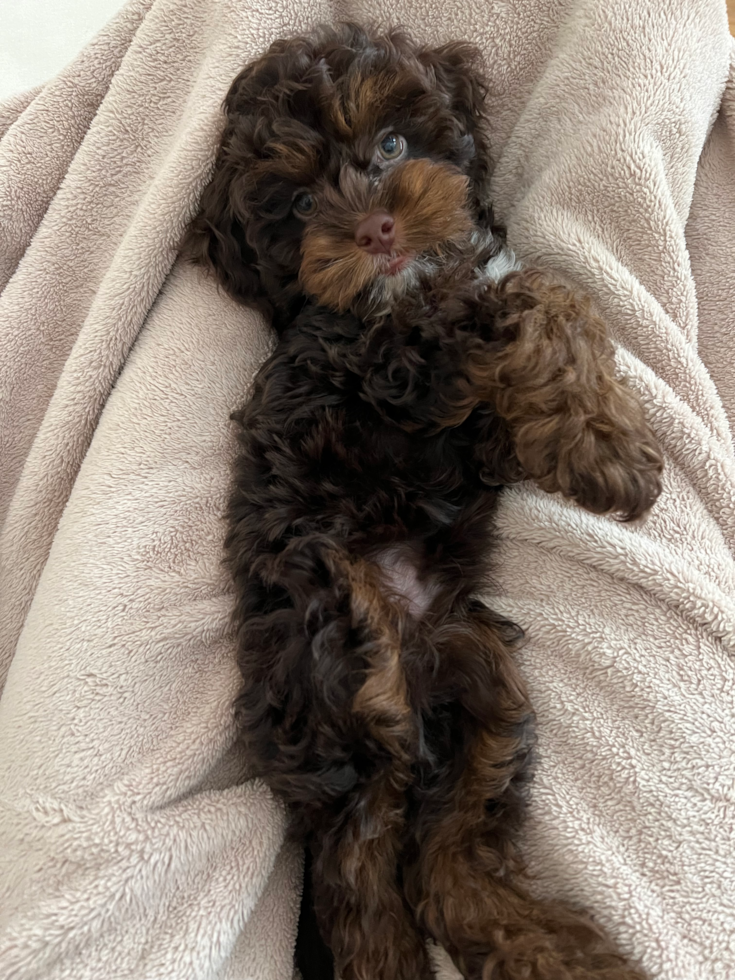
Teacup Cockapoos carry the same core temperament that makes Cockapoos so widely loved. They are affectionate, responsive, and closely connected to their people. Their smaller size doesn’t change that foundation, but it does shape how they interact with their environment and how they fit into daily routines.
They are highly people-oriented. They prefer to stay nearby rather than roam independently. This creates a strong sense of companionship, especially in homes where interaction is part of the day-to-day flow.
Their energy level is generally moderate. Teacup Cockapoos enjoy short walks, playtime, and light activity, but they don’t require extended or high-intensity exercise. Because of their size, even smaller bursts of activity can be enough to keep them balanced. What matters more is consistency. They need regular movement and mental engagement.
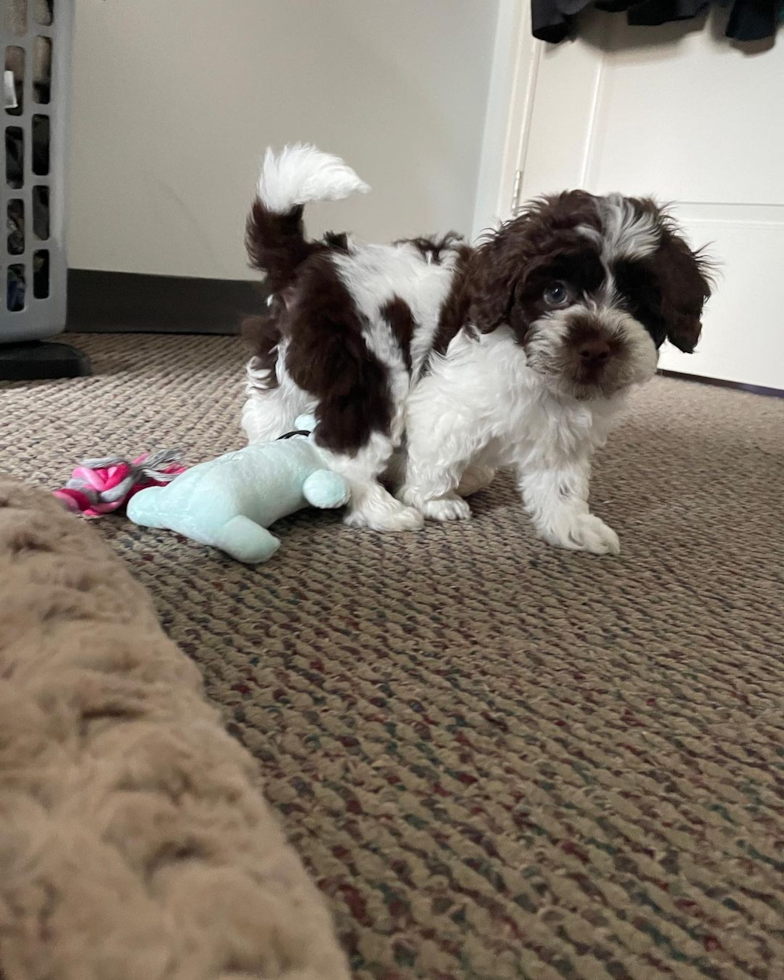
Lifestyle fit is where their size becomes most noticeable. Teacup Cockapoos adapt easily to smaller living spaces, including apartments, as long as they are included in a steady routine. They don’t rely on space to stay active; they rely on interaction and structure.
At the same time, they tend to do best in environments where handling is gentle and predictable. Their compact size makes them easy to live with, but it also means they benefit from a bit more awareness in how they’re approached, especially in busier households.
RELATED: Are Cockapoo Good Dogs?
Caring for a Teacup Cockapoo

Caring for a Teacup Cockapoo is centered around consistency and attention to detail. Their smaller size doesn’t make care more complicated, but it does make routine more important. When daily habits are steady and well-structured, they adjust quickly and are easy to manage.
Because they are compact, small adjustments in feeding, handling, and environment can have a noticeable impact. Most owners find that once a routine is in place, care becomes second nature. The key is keeping things predictable and tailored to their size.
Feeding and Daily Care Needs

Teacup Cockapoos benefit from a feeding routine that supports steady energy throughout the day. Smaller portions, offered at regular intervals, help maintain balance, especially during the early months when growth is still underway.
High-quality food designed for small breeds is typically the best fit, as it aligns with their size and nutritional needs. As they mature, most transition into a consistent two-meal schedule, with portion sizes adjusted based on activity level and weight.
Daily care extends beyond feeding. Light exercise, short walks, and interactive play help keep them physically and mentally engaged. Because they don’t require large amounts of activity, these routines can be easily integrated into most schedules.
Regular grooming, including brushing and occasional trimming, helps keep the coat condition. Combined with basic hygiene such as dental care and nail trimming, these habits form the foundation of day-to-day care.
RELATED: Cockapoo Grooming Guide: Pictures, Expert Tips & More
Handling and Safety Considerations
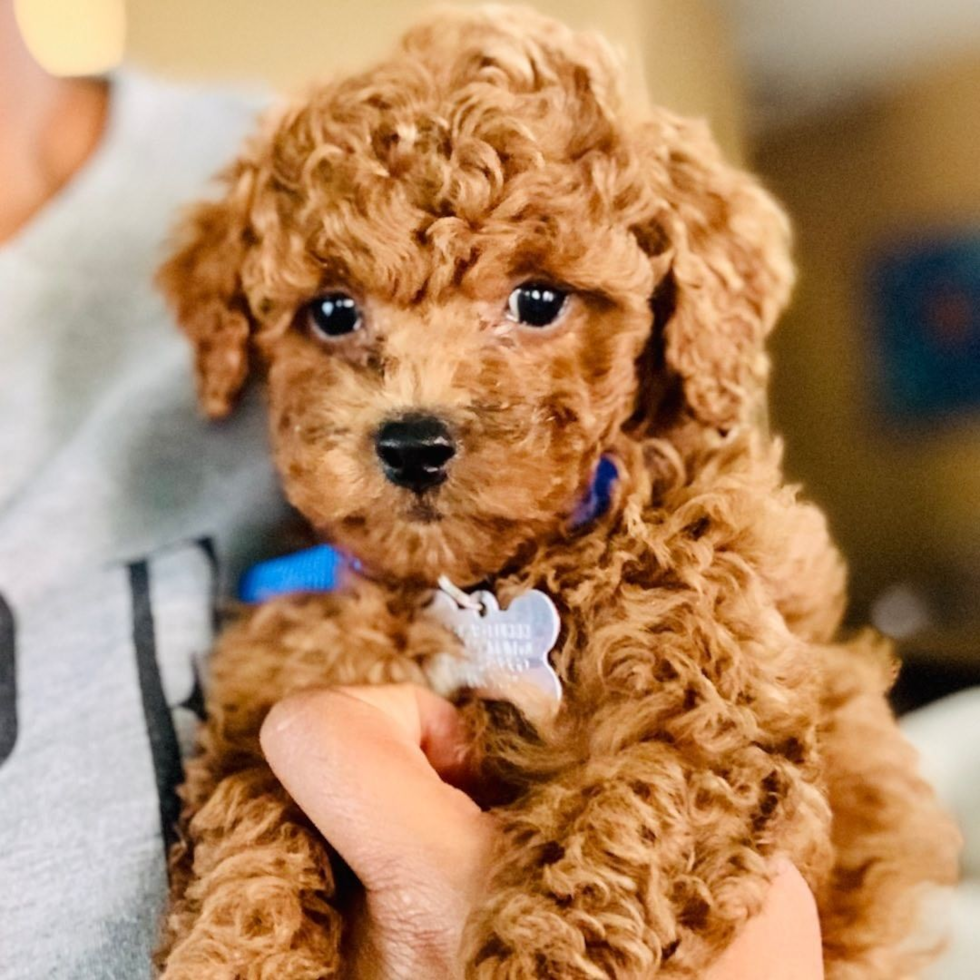
Handling plays a more noticeable role with Teacup Cockapoos due to their size. Their lighter build means that simple, controlled movements like lifting, carrying, and setting them down carefully become part of normal interaction.
Their environment can also be adjusted in small ways to support comfort. Features like lower resting areas or easy access to frequently used spaces help reduce strain and make movement more natural for them.
In shared spaces, especially in busier households, awareness becomes part of routine. Being mindful of where they are and how they move through the home helps maintain a smooth, comfortable experience.
These considerations are not restrictive; they simply reflect the scale of the dog. Once incorporated into daily habits, they allow Teacup Cockapoos to move through their environment confidently and remain easy to live with.
How Much Does a Teacup Cockapoo Cost?

The cost of a Teacup Cockapoo reflects both its size category and its availability. Because these dogs are bred within a narrower range and are less commonly produced, pricing tends to sit higher than standard Cockapoos.
Most Teacup Cockapoos are priced based on a combination of size consistency, breeder practices, and overall demand. While the initial cost is an important factor, it’s usually part of a broader picture that includes how the dog was bred and raised.
Price Range and What Affects It
In most cases, Teacup Cockapoo puppies fall within a price range of $2,500 to $5,000, with some listings exceeding that depending on specific traits.
Several factors influence where a puppy falls within that range. Size is one of the most obvious. Dogs that are expected to remain on the smaller end are often priced higher due to demand. Coat type can also play a role, particularly when it aligns with preferences for softer, lower-shedding textures.
Breeder approach is another major factor. Programs that focus on consistency, early care, and structured breeding practices typically reflect that in their pricing. This often includes attention to health, environment, and early development, all of which contribute to the overall outcome.
Location and availability can also shift pricing slightly. In areas where Teacup Cockapoos are less commonly available, prices may trend higher simply due to limited supply.
Red Flags When Buying a Teacup Cockapoo
Because of the demand for smaller dogs, presentation matters when evaluating options. Clear, consistent information is usually a good indicator of a well-managed breeding program.
Look for breeders who provide transparent details about size expectations, parent dogs, and how the puppies are raised. Open communication, a willingness to answer questions, and a clear understanding of their breeding approach all contribute to a smoother process.
On the other hand, listings that focus heavily on size without context, or that provide limited background information, can make it harder to understand what to expect long term. Taking the time to review details carefully helps ensure that the experience aligns with expectations.
RELATED: Available Cockapoo puppies for sale from reputable breeders
Is a Teacup Cockapoo Right for You?
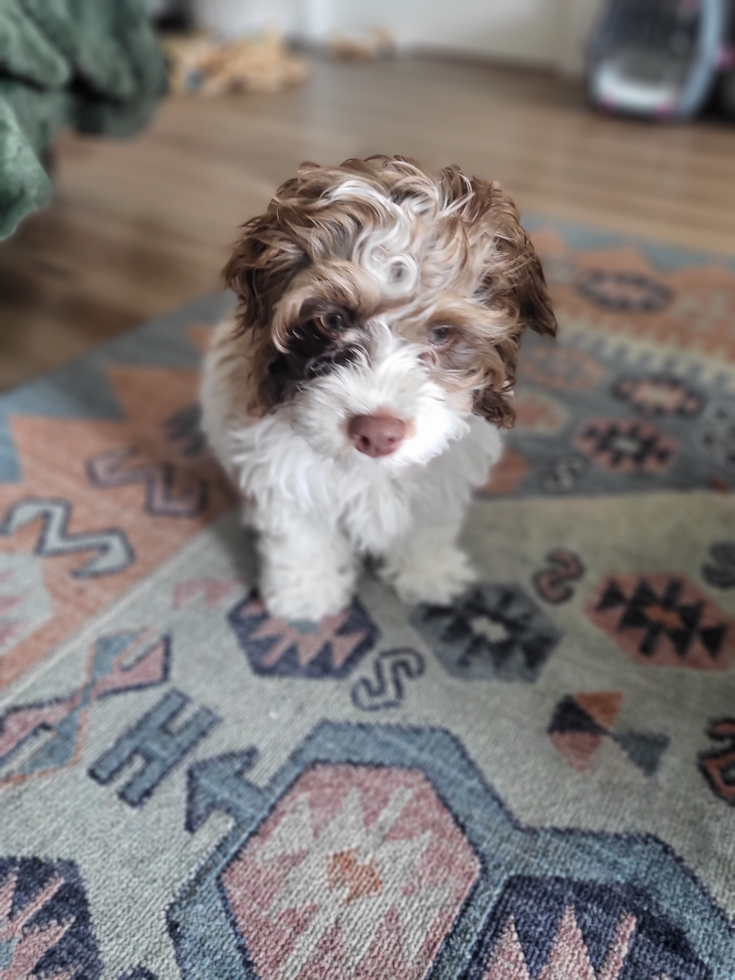
A Teacup Cockapoo can be a great fit for the right lifestyle, especially for those who value a close, companion-focused relationship with their dog. Their smaller size, combined with their affectionate nature, makes them easy to integrate into daily routines where interaction and consistency are already part of the day.
They suit homes where they can stay involved whether that’s spending time nearby, joining in light activity, or simply being present throughout the day. Their adaptability allows them to fit comfortably into smaller spaces, but what matters more is the level of attention and structure they receive.
Because of their size, they do best in a setting where handling is thoughtful and routines are steady. This doesn’t require major adjustments, but it does mean being aware of how their environment supports their comfort and movement over time.
For many owners, that balance is what makes them appealing. They offer the same warmth, responsiveness, and personality found in Cockapoos, just in a more compact form that aligns well with modern living.
Other Cockapoo Articles That Might Interest You
Male vs Female Cockapoo: Which Is Better for You?
Introduction to Cockapoo Haircuts and Grooming Styles
Cockapoo Training Guide: How to Train a Cockapoo the Right Way
Complete Cockapoo Colors Guide: Patterns, Fading + Photos
Scroll down to see FAQs about teacup Cockapoos.
Elena R.
About The Author
Elena is a leading expert in the field of dog behavior, care, and training, with over a decade of experience in writing about dogs. As a published writer and lifelong dog enthusiast, Elena currently shares her home with three beloved canine companions. She is dedicated to staying up to date on the latest advancements in dog care and training, ensuring that her articles provide readers with accurate and valuable insights. With her extensive knowledge and passion for all things canine, Elena's contributions to the Premier Pups community offer both expertise and authority on a wide range of dog-related topics.
What To Read Next
Toy Cockapoos Guide
Toy Cockapoos are one of the smallest variations of the Cockapoo, bred by crossing a Cocker Spaniel with a Toy Poodle. They are designed for people who want a compact, easy-to-manage companion without giving up personality or trainability. Small in size but active... Read More

Meet The 6 Most Sought-After Small Doodle Breeds
Who doesn’t love a Doodle? It’s impossible to look at a small Doodle and not say “I’ll take ten, thank you very much!”
Simply put, small Doodles are dream dogs.
They have a brilliant mindset, a cheerful disposition, and friendly... Read More
Frequently Asked Questions
How big do Teacup Cockapoos get? Teacup Cockapoos typically reach an adult weight between 5 and 10 pounds and stand about 8 to 11 inches tall. While they are noticeably smaller than standard or mini Cockapoos, their final size can still vary slightly depending on genetics and breeding.
Are Teacup Cockapoos truly “teacup” size as adults? The term “teacup” is used to describe a smaller size range rather than a fixed category. Most Teacup Cockapoos remain compact as adults, but their exact size can vary within a healthy range. Puppies that appear extremely small early on may still grow into the typical teacup range over time.
Why are Teacup Cockapoos so expensive? Teacup Cockapoos often cost more due to limited availability and high demand. Breeding for smaller size takes careful selection, and not every litter produces puppies that meet that size range. Factors like coat type, breeder practices, and location can also influence pricing.
Are Teacup Cockapoos rare? Yes, Teacup Cockapoos are less commonly available than standard or mini sizes. This is mainly because producing consistent, smaller-sized dogs requires more controlled breeding and smaller litters, which naturally limits supply.
Do Teacup Cockapoos have more health issues? Teacup Cockapoos share many of the same health considerations as other small dogs, but their size means they benefit from more consistent care routines. Areas like feeding, dental care, and general handling tend to require a bit more attention due to their smaller frame.
How long do Teacup Cockapoos live? Teacup Cockapoos generally have a lifespan of 12 to 15 years, similar to other small companion breeds. Longevity is influenced by factors like genetics, diet, routine care, and overall lifestyle.
Are Teacup Cockapoos good for apartments? Yes, Teacup Cockapoos adapt very well to apartment living. Their size and moderate energy levels make them easy to manage in smaller spaces, as long as they receive regular interaction, short walks, and consistent daily routines.
Do Teacup Cockapoos shed a lot? Most Teacup Cockapoos have low to moderate shedding, especially if they inherit a curlier coat from the Poodle side. Regular grooming helps manage shedding and keeps their coat in good condition.
Are Teacup Cockapoos easy to train? Teacup Cockapoos are generally responsive and quick to learn, thanks to their Poodle influence. They do best with consistent routines and positive reinforcement, and they tend to adapt well to basic training when expectations are clear.
What should I look for when buying a Teacup Cockapoo? It’s important to choose a breeder who provides clear information about size expectations, parent dogs, and how the puppies are raised. Transparency, consistency, and open communication are strong indicators of a well-managed breeding program and help ensure a smoother experience.