






Published Friday, September 4, 2026 by Elena R. in New Puppy, Dog Care & Safety
One of the first questions people ask before bringing home a Mini Bernedoodle is how long they live. When families start imagining life with a dog, they also start thinking about how much time they may get together. That part sits underneath almost every lifespan search, even when the question itself sounds simple.
The good news is that Mini Bernedoodles live significantly longer than many expect, especially compared to the Bernese Mountain Dog side of the mix. While lifespan varies from dog to dog, the average Mini Bernedoodle lifespan typically falls between 12 and 18 years depending on genetics, size, breeding quality, lifestyle, and long-term health care.
But there’s a lot more nuance behind that number than most explain. A Mini Bernedoodle’s life expectancy is not determined by luck alone. Size matters. Genetics matter. Weight management matters. Joint health matters. Breeder practices matter more than people realize. Even early puppy development can influence long-term health outcomes.
Mini Bernedoodles sit at a unique intersection between two very different breeds. Bernese Mountain Dogs are deeply loved companions, but they are also known for having shorter lifespans than other dogs their size. Miniature Poodles, on the other hand, are associated with longevity, intelligence, and smaller-dog lifespan advantages. The Mini Bernedoodle lands somewhere between those worlds, which helps explain why smaller Bernedoodles outlive larger ones by several years.
The size difference matters a bit more than people think. A smaller body usually places less strain on joints, hips, and internal systems over time. Dogs that maintain a healthy weight and receive proper preventive care age more comfortably as well. At the same time, responsible breeding plays a major role because genetics shape long-term health outcomes regardless of breed popularity or appearance.
This guide breaks down the real factors behind Mini Bernedoodle life expectancy, including how long Mini Bernedoodles live, why size affects lifespan, what health issues owners should understand, and what families can do to help support a longer, healthier life. Because lifespan is not only about years. For most owners, it’s about quality of life during those years too.
Table of Contents
- What Is the Average Mini Bernedoodle Lifespan?
- Do Mini Bernedoodles Live Longer Than Standard Bernedoodles?
- Why Smaller Dogs Usually Live Longer
- Can a Mini Bernedoodle Live 15+ Years?
- What Health Problems Affect Mini Bernedoodle Life Expectancy?
- How Responsible Breeding Affects Mini Bernedoodle Lifespan
- How to Help a Mini Bernedoodle Live Longer
- Mini Bernedoodle Lifespan by Size
- Final Thoughts on Mini Bernedoodle Lifespan
What Is the Average Mini Bernedoodle Lifespan?

The average Mini Bernedoodle lifespan falls somewhere between 12 and 18 years, though most healthy dogs realistically land closer to the 12-to-15-year range. And, for a breed connected to the Bernese Mountain Dog line, that surprises a lot of people.
The Bernese side of the mix tends to make people nervous once they start researching lifespan. It happens all the time. Someone falls in love with the fluffy tri-color coat and sweet personality, then eventually stumbles into a forum or Reddit thread discussing how short Bernese Mountain Dog lifespans can be. That usually changes the tone of the search pretty quickly.
But Mini Bernedoodles are different in some important ways. The smaller size matters a lot. Smaller dogs generally live longer than larger dogs across the board, and Mini Bernedoodles benefit from that advantage. Less body weight means less stress on joints, hips, organs, and the body as the years go on. Add in the Miniature Poodle influence, which is associated with longer lifespans, and the outlook becomes much more favorable.
Still, lifespan is never just about breed alone. A Mini Bernedoodle’s life expectancy can shift depending on genetics, breeding quality, orthopedic health, nutrition, exercise habits, body condition, preventative veterinary care, and even how puppies are raised early in life. Two dogs with the same adorable teddy bear look can end up with very different long-term health outcomes depending on the foundation behind them.
And some Mini Bernedoodles seem determined to stay young forever anyway. You’ll hear owners talk about 13-year-old dogs still carrying toys around the house like oversized puppies or sprinting outside because someone opened the treat cabinet slightly too loudly. The personality sticks around well into adulthood.
RELATED: Mini Bernedoodle Pros and Cons
Do Mini Bernedoodles Live Longer Than Standard Bernedoodles?

In most cases, yes. Mini Bernedoodles live longer than Standard Bernedoodles, and the reason mostly comes down to size.
This is one of the few patterns in dogs that stays remarkably consistent across breeds. Smaller dogs outlive larger dogs. The body simply tends to age differently under less physical strain.
A Standard Bernedoodle may weigh 70 to 90 pounds or more as an adult. A Mini Bernedoodle stays somewhere between 25 and 45 pounds. That difference affects more than appearance because larger dogs place more stress on their joints, connective tissue, heart, and overall skeletal structure throughout their life. Over time, that wear adds up.
Mini Bernedoodles avoid some of those giant-breed pressures because of their smaller frame. They still have athletic energy and sturdy builds, but their bodies age more slowly than larger Bernedoodles.
The Bernese Mountain Dog genetics matter here too. Bernese Mountain Dogs are deeply loved for their calm temperament and loyalty, but unfortunately, they are also known for shorter average lifespans compared to other giant breeds. That’s one reason people specifically search for Mini Bernedoodles in the first place. The Miniature Poodle side helps shift the equation toward longevity through both smaller size and longer-living genetics.
Of course, smaller does not automatically mean healthier. A poorly bred Mini Bernedoodle can absolutely experience more health issues than a responsibly bred Standard Bernedoodle. Genetics, health testing, weight management, and long-term care still play enormous roles in lifespan outcomes.
But generally speaking, yes. Mini Bernedoodles tend to live longer than Standard Bernedoodles, and for many families, that extra time matters more than they realize at the beginning. Because eventually the goofy puppy stage turns into years of routines, habits, little personality quirks, and quiet moments people stop noticing until they imagine life without them.
RELATED: How Big Do Mini Bernedoodles Get?
Why Smaller Dogs Usually Live Longer

One of the biggest reasons Mini Bernedoodles outlive larger Bernedoodles has nothing to do with luck and everything to do with biology.
Smaller dogs age more slowly than large dogs. Veterinarians and canine researchers have observed this pattern for years across many breeds, not just Bernedoodles. Great Danes, Saint Bernards, Bernese Mountain Dogs, and other giant breeds usually have much shorter lifespans than smaller companion dogs. The body simply handles aging differently at different sizes.
A smaller Mini Bernedoodle usually places less long-term strain on:
- hips
- elbows
- joints
- ligaments
- the cardiovascular system
- overall skeletal structure
Large dogs grow fast, and rapid growth places additional stress on the body during developmental stages. Bigger frames also carry more weight through every movement for years afterward.
Eventually, orthopedic wear and mobility issues become more common simply because the body absorbs more pressure over a lifetime.
Mini Bernedoodles benefit from staying smaller and lighter. Many maintain mobility more comfortably as they age, especially when their owners keep them lean and active without overdoing physical stress during puppyhood.
Weight plays a huge role here too. An overweight Mini Bernedoodle may place significantly more strain on joints and internal systems than a healthy-weight dog of the same age. It’s one of those things owners sometimes underestimate because the fluffy coat hides the body surprisingly well. A dog can gain several unhealthy pounds before anyone fully notices beneath all the fur.
And Mini Bernedoodles are very convincing when they want extra snacks. The dramatic staring. The emotional sighing near the kitchen. The sudden appearance every time cheese exists somewhere in the house. They know exactly what they’re doing.
Still, healthy weight management is one of the simplest and most effective ways owners can help support long-term lifespan and joint health.
RELATED: All Mini Bernedoodle Generations: F1, F1B, F2, Multigen & More
Can a Mini Bernedoodle Live 15+ Years?
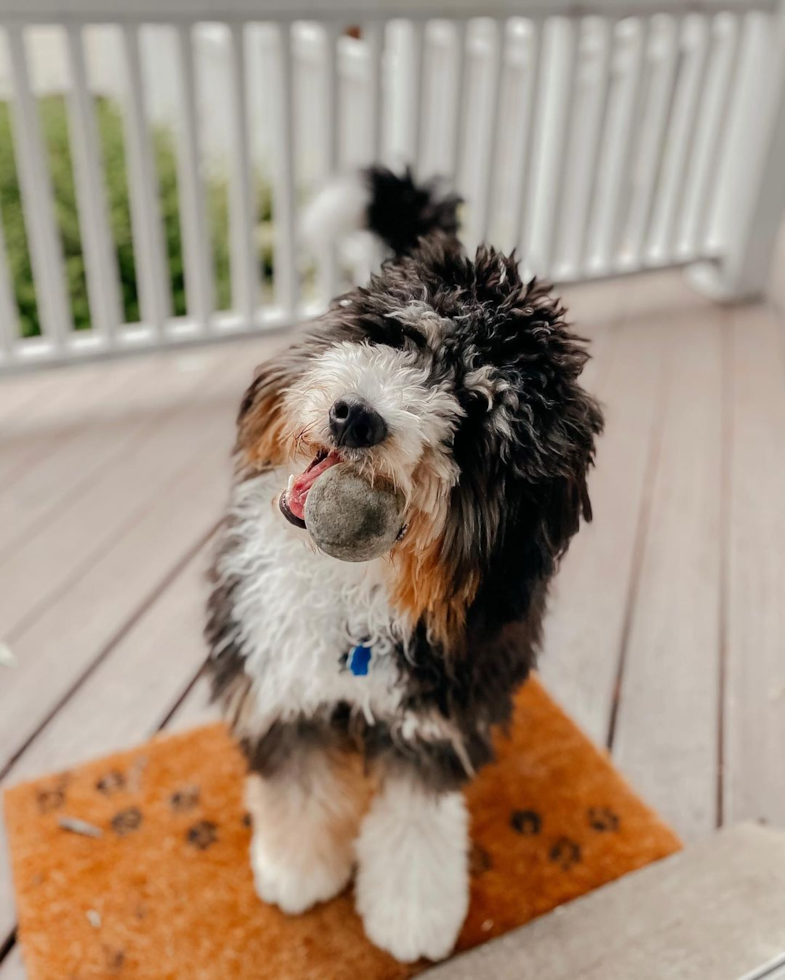
Yes, a Mini Bernedoodle can absolutely live 15 years or longer, especially smaller minis with strong genetics, healthy body condition, and consistent long-term care. While not every dog reaches that age, it’sfar from unusual to hear owners talk about Mini Bernedoodles still acting playful and socially engaged well into their teenage years.
The interesting part is that longevity comes from dozens of smaller decisions made consistently over time rather than one dramatic factor alone.
Dogs that maintain healthy muscle tone, stable weight, regular veterinary care, good dental health, and balanced activity levels age more comfortably. Early prevention matters too. Joint protection during puppyhood, responsible exercise while growth plates are still developing, and avoiding chronic obesity all influence how the body holds up later in life.
Mental health plays a role as well, more than many realize. Mini Bernedoodles stay emotionally engaged with their families throughout life, and dogs that are socially connected, mentally stimulated, and active seem to age differently than dogs that live with very little interaction or enrichment.
Aging Mini Bernedoodles also keep their personality for a long time. Owners describe senior dogs that still greet people enthusiastically, carry toys around proudly, or follow family members everywhere even with gray around the face and slower joints underneath all the fluff.
Of course, genetics still matter. Some dogs inherit stronger orthopedic structure, better long-term health foundations, or fewer hereditary concerns than others. That unpredictability exists with every breed to some extent.
But overall, yes. A well-bred, well-cared-for Mini Bernedoodle has a realistic chance of reaching 15 years or more, which is one reason so many families specifically seek out the mini version of the breed instead of larger Bernedoodles.
RELATED: Are Mini Bernedoodles Good Family Dogs? What Life Really Looks Like
What Health Problems Affect Mini Bernedoodle Life Expectancy?

Like all breeds and mixes, Mini Bernedoodles can face certain health issues that may influence lifespan and long-term quality of life. Some concerns come from the Bernese Mountain Dog side of the mix, while others may come from Poodle genetics or general structural factors seen in doodle breeds overall.
Orthopedic issues are among the most important. Hip dysplasia and elbow dysplasia can affect mobility over time, especially in dogs with poor genetics, rapid growth, excess weight, or inadequate joint support throughout life. Even moderate extra weight can place significant additional stress on joints year after year.
Skin and ear problems also appear fairly commonly in some Mini Bernedoodles. Their floppy ears and dense coats may trap moisture more easily, which can increase the risk of irritation or infections if grooming falls behind.
RELATED: Are Mini Bernedoodles Aggressive? What Owners and Experts Say
How Responsible Breeding Affects Mini Bernedoodle Lifespan

A surprising amount of a Mini Bernedoodle’s long-term health story begins long before the puppy ever comes home.
People focus heavily on visible things during the search process. Coat color. Eye shape. Size estimates. Whether the puppy looks extra fluffy in photos. Meanwhile, some of the most important lifespan factors are completely invisible unless someone knows what to ask about behind the scenes.
Responsible breeding affects lifespan in ways many do not fully realize. Health testing matters because it helps breeders evaluate hereditary risks before pairing dogs together. Orthopedic evaluations, genetic screening, structural soundness, health history review, and veterinary involvement all help reduce preventable issues that may affect dogs years later. The goal is not perfection because no breeding program can guarantee that. The goal is making informed decisions rather than careless ones.
Early development matters too. Puppies raised with proper nutrition, clean environments, socialization, structured care routines, and consistent observation begin life with a much stronger foundation. Stress levels, environmental exposure, developmental pacing, and preventive care during those early weeks influence resilience, confidence, physical development, and long-term wellness in ways researchers still continue studying.
This is one of the biggest differences between thoughtful breeding programs and high-volume production environments. Good breeders think in years. Sometimes generations. Not simply in terms of available puppies.
A healthy Mini Bernedoodle lifespan is rarely accidental. Usually there’s an enormous amount of planning, oversight, and intentional care sitting underneath the outcome people eventually see.
RELATED: Are Mini Bernedoodles Smart? Intelligence, Trainability & Behavior
How to Help a Mini Bernedoodle Live Longer

While genetics play a major role in lifespan, daily care decisions influence how well a Mini Bernedoodle ages over time too. And it’s the consistent habits that matter most, not dramatic changes all at once.
Healthy weight management is probably one of the biggest factors owners can control directly. Extra weight places additional stress on joints, mobility, organs, and overall body function year after year. The challenge is that Mini Bernedoodles are extremely convincing when they want food. Some can perform theater worthy of award nominations over a single piece of chicken.
Regular exercise matters, but balance matters too. Puppies should not face excessive joint stress during growth stages, while adult dogs benefit from consistent activity that keeps muscles strong and weight stable without overworking the body.
Preventive veterinary care makes a major difference over time as well. Routine exams, dental care, vaccinations, parasite prevention, and early monitoring catch problems before they become more serious or harder to manage later.
Mental stimulation and emotional well-being matter more than people sometimes assume too. Mini Bernedoodles are highly social dogs, and many genuinely thrive when they are mentally engaged with their environment and connected to their families. Daily walks, training, play, social interaction, and routine all contribute to quality of life as dogs age.
And some of the healthiest senior dogs share one thing in common. They stay involved in life. Maybe a little slower. Maybe with more naps afterward. But still curious, connected, and excited when their people reach for the leash or open the treat cabinet.
RELATED: Are Mini Bernedoodles Hypoallergenic? Shedding, Allergies & More
Mini Bernedoodle Lifespan by Size

One of the most interesting patterns with Bernedoodles is that lifespan changes noticeably depending on size. In general, smaller Bernedoodles tend to live longer than larger ones, which follows the same pattern veterinarians see across many dog breeds.
Here’s a general Mini Bernedoodle lifespan breakdown by size:
| Bernedoodle Size | Average Lifespan |
| Tiny / Micro Mini Bernedoodle | 16–18 years |
| Mini Bernedoodle | 12–18 years |
| Medium Bernedoodle | 12–15 years |
| Standard Bernedoodle | 10–15 years |
These numbers are still estimates, of course. Genetics, breeding quality, weight management, exercise balance, nutrition, and preventive veterinary care all influence how long an individual dog may live.
And, size alone never tells the whole story. A well-bred Standard Bernedoodle with excellent care may outlive a poorly bred Mini Bernedoodle raised without proper health foundations. Longevity is usually the result of multiple factors working together over time rather than one single advantage alone.
Still, this size pattern is one of the main reasons many families specifically search for Mini Bernedoodles instead of larger Bernedoodle varieties. They love the affectionate personality and teddy bear appearance of the breed, but they also hope for the longer lifespan advantages that come with a smaller dog.
RELATED: Male vs Female Mini Bernedoodle: Which Is Right for You?
Final Thoughts on Mini Bernedoodle Lifespan

Mini Bernedoodles live longer than many people initially expect, especially compared to the Bernese Mountain Dog side of the mix. For a lot of families, that comes as a genuine relief once they begin researching the breed more seriously.
But the biggest takeaway from all of this is probably that lifespan is rarely determined by one single factor alone. Size matters. Genetics matter. Breeder quality matters. Weight management matters. Preventive care matters. Even everyday routines matter more than people sometimes realize over the course of 12, 14, or 16 years together.
The good news is that many Mini Bernedoodle puppies go on to live long, active, deeply connected lives with their families. Smaller size gives them a real advantage in terms of longevity, while thoughtful breeding and proper long-term care can help support healthier aging over time.
At the same time, no breed comes with guarantees. Genetics can be unpredictable. Health conditions can still happen. Aging eventually reaches every dog no matter how loved they are. That’s why the goal should never be focusing only on lifespan itself. It should also be about quality of life during those years.
Elena R.
About The Author
Elena is a leading expert in the field of dog behavior, care, and training, with over a decade of experience in writing about dogs. As a published writer and lifelong dog enthusiast, Elena currently shares her home with three beloved canine companions. She is dedicated to staying up to date on the latest advancements in dog care and training, ensuring that her articles provide readers with accurate and valuable insights. With her extensive knowledge and passion for all things canine, Elena's contributions to the Premier Pups community offer both expertise and authority on a wide range of dog-related topics.
What To Read Next

Do Mini Bernedoodles Shed? Coat Types and Allergies Explained
One of the biggest reasons people fall in love with Mini Bernedoodles is the coat. The fluffy teddy bear look, the soft waves, the expressive face covered in shaggy fur that somehow makes even basic eye contact feel emotionally manipulative. It’s part of... Read More

Mini Bernedoodle Pros and Cons
Mini Bernedoodles have become one of the most talked-about doodle breeds in recent years. It’s easy to understand why. They’re fluffy, expressive, affectionate, and kind of hard to ignore once you spend time around one. A lot of people picture the perfect... Read More
Frequently Asked Questions
What is the average Mini Bernedoodle lifespan? The average Mini Bernedoodle lifespan typically falls between 12 and 18 years, though many healthy dogs realistically live around 12 to 15 years with proper care, healthy weight management, quality nutrition, and regular veterinary support throughout life.
How long do Mini Bernedoodles usually live? Most Mini Bernedoodles live well into their early or mid-teen years, especially smaller minis with strong genetics and consistent long-term care. Some may live beyond 15 years, while others may experience health issues that shorten lifespans.
Do Mini Bernedoodles live longer than Standard Bernedoodles? Yes, Mini Bernedoodles generally live longer than Standard Bernedoodles because smaller dogs usually age more slowly and experience less physical strain on joints, organs, and skeletal structure over time.
Can a Mini Bernedoodle live 15 years? Yes, Mini Bernedoodles can live 15 years or longer, especially dogs with healthy genetics, responsible breeding backgrounds, good body condition, and consistent preventive care throughout life.
Why do smaller Bernedoodles live longer? Smaller Bernedoodles live longer because smaller dogs place less stress on their joints, heart, and overall body throughout life. Reduced orthopedic strain and slower physical aging both contribute to longer average lifespans.
Does size affect a Mini Bernedoodle’s lifespan? Yes, size plays a major role in Mini Bernedoodle life expectancy. Smaller Mini Bernedoodles live longer than medium or standard-sized Bernedoodles because larger dogs usually age faster and face more long-term structural stress.
What health problems affect Mini Bernedoodle lifespan? Health issues that may affect Mini Bernedoodle lifespan include hip dysplasia, elbow dysplasia, orthopedic concerns, allergies, digestive sensitivity, ear infections, and certain hereditary conditions depending on genetics and breeding quality.
Are Mini Bernedoodles healthier than Bernese Mountain Dogs? Mini Bernedoodles have longer average lifespans than Bernese Mountain Dogs because they benefit from smaller size and Miniature Poodle genetics. However, health outcomes still depend heavily on breeding practices, genetics, and long-term care.
Does responsible breeding affect Mini Bernedoodle lifespan? Yes, responsible breeding plays a major role in long-term health and lifespan. Health testing, orthopedic evaluations, genetic screening, veterinary involvement, and proper early development all help support healthier outcomes over time.
How can I help my Mini Bernedoodle live longer? Healthy weight management, regular exercise, balanced nutrition, preventive veterinary care, dental care, mental stimulation, and consistent grooming all help support a longer and healthier Mini Bernedoodle lifespan.
At what age is a Mini Bernedoodle considered a senior? Most Mini Bernedoodles begin entering their senior years around 8 to 10 years old, though many remain playful, active, and socially engaged well beyond that age depending on overall health and lifestyle.
Do Mini Bernedoodles slow down with age? Yes, Mini Bernedoodles become calmer and less energetic as they age, though many still maintain their affectionate personality, playful habits, and strong attachment to family life well into their senior years.