






Published Friday, October 9, 2026 by Elena R. in New Puppy, Popular Dogs, Dog Grooming
A red Mini Bernedoodle can be one of those puppies you notice immediately. The coat may be a deep rusty red, warm cinnamon, bright copper, or something closer to rich reddish gold. Apricot Mini Bernedoodles are usually a little softer, with peach, honey, and golden-orange tones, while cream dogs sit at the palest end of the warm-color range. Blonde is harder to pin down. It is usually used for Mini Bernedoodles with pale gold, beige, light apricot, or warm cream coats.
Those descriptions sound straightforward until you start looking at actual puppies. A dark apricot can easily resemble a light red. Pale apricot may look cream in one photograph and golden in another. A puppy listed as red at eight weeks may still be red as an adult, or that rich puppy coat may gradually soften until apricot feels like the better description.
That last part matters if color plays a role in the puppy you choose. Red, apricot, cream, and blonde Mini Bernedoodles can change noticeably as they mature, and the shade you see in an early puppy photo is not always the shade you will see a year later. Some hold their color beautifully. Others become lighter through the transition into their adult coat, and some develop a mix of shades with darker ears, a paler body, and subtle changes around the face.
There is no reason to make this more complicated than it needs to be. If you are deciding between these Mini Bernedoodle colors, the useful questions are what each shade actually looks like, how much it may change, what clues can help you estimate adult color, and how much certainty you can realistically expect from a young puppy. That is where we will focus.
Table of Contents
- Red, Apricot, Cream, and Blonde Mini Bernedoodles at a Glance
- What Does a Red Mini Bernedoodle Look Like?
- What Does an Apricot Mini Bernedoodle Look Like?
- What Does a Cream Mini Bernedoodle Look Like?
- What Is a Blonde Mini Bernedoodle?
- How Much Can These Mini Bernedoodle Colors Change?
- When Does a Mini Bernedoodle's Adult Color Become Clearer?
- Why Are My Mini Bernedoodle's Ears Darker Than the Body?
- Can Grooming Make a Mini Bernedoodle Look Lighter or Darker?
- Does Sunlight Change Red or Apricot Coats?
- Why Does My Mini Bernedoodle Look Like a Different Color in Every Photo?
- Can You Predict What Color a Mini Bernedoodle Puppy Will Be as an Adult?
- What Is a Red Tuxedo Mini Bernedoodle?
- Are Red Mini Bernedoodles Rare?
- Are Cream and Blonde Mini Bernedoodles Rare?
- Does Color Affect a Mini Bernedoodle's Personality?
- Does Color Tell You Whether a Mini Bernedoodle Will Be Curly or Low-Shedding?
- Are Light Mini Bernedoodle Coats Harder to Keep Clean?
- How to Choose Between Red, Apricot, Cream, and Blonde Mini Bernedoodles
- What Matters Most If You Want a Specific Adult Color?
- Final Thoughts on Red, Apricot, Cream, and Blonde Mini Bernedoodles
Red, Apricot, Cream, and Blonde Mini Bernedoodles at a Glance
Think of these colors as neighboring shades rather than completely separate categories. Red sits at the deepest end, apricot usually fills the middle, and cream takes you into much lighter territory. Blonde overlaps with the last two because it is an everyday description rather than one specific standardized color.
A red Mini Bernedoodle generally has more visible depth and saturation. Copper, cinnamon, rusty red, dark golden-red, and even mahogany-like shades can fall under that label. Apricot usually looks softer and more peachy or golden, although a strong apricot can come surprisingly close to red.
Cream moves toward ivory, vanilla, pale beige, and very light gold.
Blonde tends to describe the warm shades that are difficult to place neatly into one of those categories. A pale apricot Mini Bernedoodle may be called blonde. So might a cream dog with golden ears or a light beige coat. If you picture blonde human hair, with everything from pale gold to warm honey-beige included under one familiar word, the way the term is used for Mini Bernedoodles starts to make sense.
Color labels are useful, but the puppy in front of you tells you more than the label ever will. There is enough overlap between these shades that two people can look at the same dog and reasonably choose different descriptions.
Where Do These Warm Mini Bernedoodle Colors Come From?
The two breeds behind a Mini Bernedoodle bring very different color backgrounds into the mix. The traditional Bernese Mountain Dog has a jet-black ground color with rich rust and clear white markings in characteristic areas of the body. Red, apricot, and cream, on the other hand, are established Poodle colors.
That helps explain why a solid or predominantly red Mini Bernedoodle can look so different from the Bernese Mountain Dog side of its ancestry. The warm overall coat has strong roots in Poodle color genetics, even though the puppy carries traits from both sides of its family.
Later-generation Bernedoodles make the ancestry behind a particular coat less obvious. A red puppy does not need to have a red Poodle as its immediate parent if those color traits are already established farther back in the Bernedoodle line. The same is true for apricot and cream.
There is plenty of interesting science behind how these shades develop, but most families do not need a genetics class to understand their puppy. The useful takeaway is that red, apricot, cream, and even some coats that people call blonde are closely connected through warm red-to-yellow pigmentation. Research in Poodles has shown that the intensity of this pigment can range dramatically, from very pale coats through cream and apricot to deep red, and that several genetic influences are involved rather than one simple color switch.
In everyday terms, more intense warm pigment gives you the stronger reds. Less intensity produces softer apricots and creams. Real dogs land at countless points in between, which is why the boundaries can be surprisingly fuzzy.
RELATED: Tricolor Mini Bernedoodles: Colors, Markings & How They Change
What Does a Red Mini Bernedoodle Look Like?
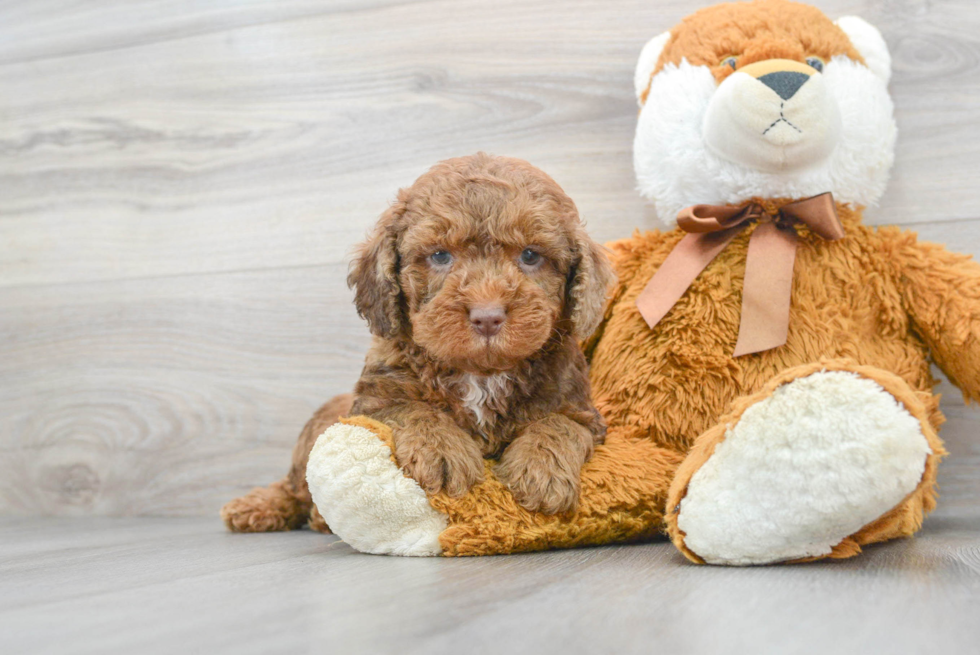
A red Mini Bernedoodle has the richest coloring in this group. Some puppies have a bright copper coat that almost glows in sunlight, while others lean toward cinnamon, rusty orange-red, or a deeper shade that people often describe as mahogany. Even within a single litter, two puppies described as red can look quite different beside each other.
The easiest way to distinguish red from apricot is usually depth. Red has more saturation and tends to look richer when you see the dog in natural daylight. Apricot carries similar warmth but moves toward peach, gold, or honey rather than that stronger red tone.
Lighting can blur the difference quickly. Warm indoor bulbs make apricot look redder, bright sun can make red look lighter, and a phone camera may adjust the color balance enough to change what you think you are seeing. If you are looking at puppies online, several photos taken in different settings are much more helpful than one beautifully lit portrait.
Coat texture changes the visual effect too. Dense curls create tiny shadows throughout the coat and can make a color look deeper. A fluffy puppy coat diffuses light and often appears softer. Loose waves tend to show color and markings clearly because the coat lies more openly across the body. None of these things changes the actual inherited color, but they can make two similarly colored dogs look quite different.
Do Red Mini Bernedoodles Stay Red?
Some red Mini Bernedoodles remain richly colored as adults, while others lighten considerably. That uncertainty is probably the most important thing to understand if your heart is set on a very dark red dog.
A puppy that begins with a deep cinnamon or copper coat may keep much of that warmth but become a few shades softer. Another may move far enough toward apricot that old puppy photos look surprisingly dark beside the adult dog. There are also red Mini Bernedoodles that hold strong color well into adulthood, so fading should never be treated as something every red puppy will experience to the same degree.
The parents can provide useful clues, but they do not give you a guaranteed preview. If the parents began darker and became much lighter as adults, that history is worth knowing. Adult siblings, older puppies from previous litters, grandparents, and other close relatives can add even more context because they show how color has behaved within the broader family.
Even then, you are estimating. Each puppy inherits its own combination of traits, which is why littermates that look almost identical at eight weeks can end up with noticeably different adult shades.
Can a Red Mini Bernedoodle Turn Apricot?
A red Mini Bernedoodle can certainly mature into a coat that most people would describe as apricot. Nothing suddenly happens one morning that changes the dog from “red” to “apricot.” The coat simply becomes lighter over time until a different description fits the adult appearance better.
This is easier to understand when you stop treating red and apricot as completely separate boxes. A light red and dark apricot already sit very close together. If a red puppy loses some of its visual intensity as the adult coat develops, crossing that informal boundary is not unusual.
For families who genuinely love both colors, this usually is not much of a concern. It matters more when someone chooses a puppy specifically because they want a very deep adult red. In that situation, mature relatives and previous puppies from similar lines are more informative than assuming the puppy's current color will stay exactly the same.
RELATED: Parti Mini Bernedoodles: Black & White, Brown & White, +More
What Does an Apricot Mini Bernedoodle Look Like?
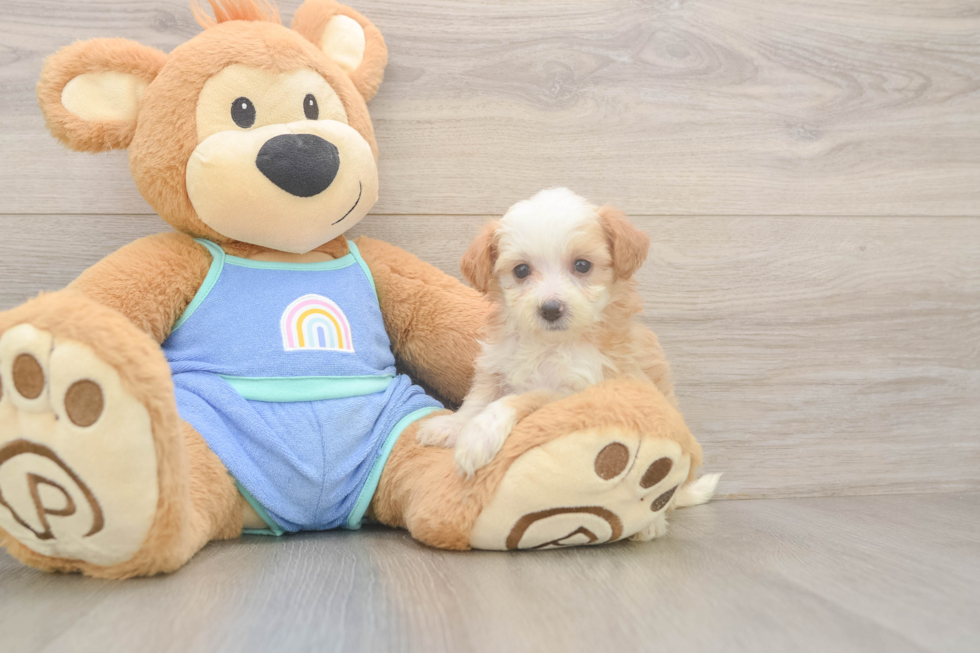
An apricot Mini Bernedoodle usually has a warm coat somewhere between red and cream. Rich apricot can look golden-orange, peachy, honey-colored, or like a very light copper. Softer apricots move toward pale gold and beige, sometimes coming close enough to cream that the distinction is obvious only when you see the dog beside a true cream.
One of the prettiest things about apricot coats is that they are not always completely uniform. A Mini Bernedoodle may have deeper apricot ears, a warm golden back, lighter legs, and a creamy muzzle. Those differences can become more noticeable as the dog grows rather than disappearing with age.
The ears deserve special mention because they often hold onto stronger warmth. A dog whose body has softened to pale apricot may still have rich golden or peach-colored ears. Poodle breed standards themselves recognize that apricot and cream coats can show variations of the same color, including somewhat darker feathering around the ears.
That shading gives many adult Mini Bernedoodles considerably more dimension than you might expect from the simple word “apricot.”
Dark Apricot vs. Light Red Mini Bernedoodles
Dark apricot and light red are probably the two easiest colors to confuse. Put one of each in warm evening sunlight and you may have an argument on your hands about which is which.
The difference is usually one of overall intensity rather than a completely different type of pigment. A light red should still look richer and more coppery, while apricot usually has a peachier or more golden quality. Once you reach the middle ground, however, the distinction becomes subjective.
That is worth remembering when comparing puppies from different breeders or even different litters. One person's dark apricot may be another person's light red. The actual appearance of the puppy matters more than forcing every warm coat into a perfectly precise label.
Do Apricot Mini Bernedoodles Get Lighter?
Apricot Mini Bernedoodles can lighten as they mature, sometimes only slightly and sometimes enough to look very different from their puppy photos. A strong apricot may soften into a lighter peach or honey shade. A pale apricot can drift much closer to cream or blonde.
The change is not necessarily even across the whole body. The ears may remain darker while the torso becomes pale. Hair around the muzzle may lose warmth earlier than the back. The coat can also appear different after grooming because shorter, newer hair reflects light differently from a long puppy coat.
Poodles provide a useful clue here because natural shade variation is recognized within apricot and cream coats, and darker ear feathering can occur. Mini Bernedoodles are not Poodles, of course, and their coats reflect inheritance from both sides, but the Poodle ancestry helps explain why families sometimes see this kind of uneven lightening.
The practical lesson is simple. An apricot puppy gives you a good idea of the color family you are starting with, but it does not promise an identical adult shade.
RELATED: Merle Mini Bernedoodle: Blue Merle, Chocolate Merle & Blue Eyes
What Does a Cream Mini Bernedoodle Look Like?
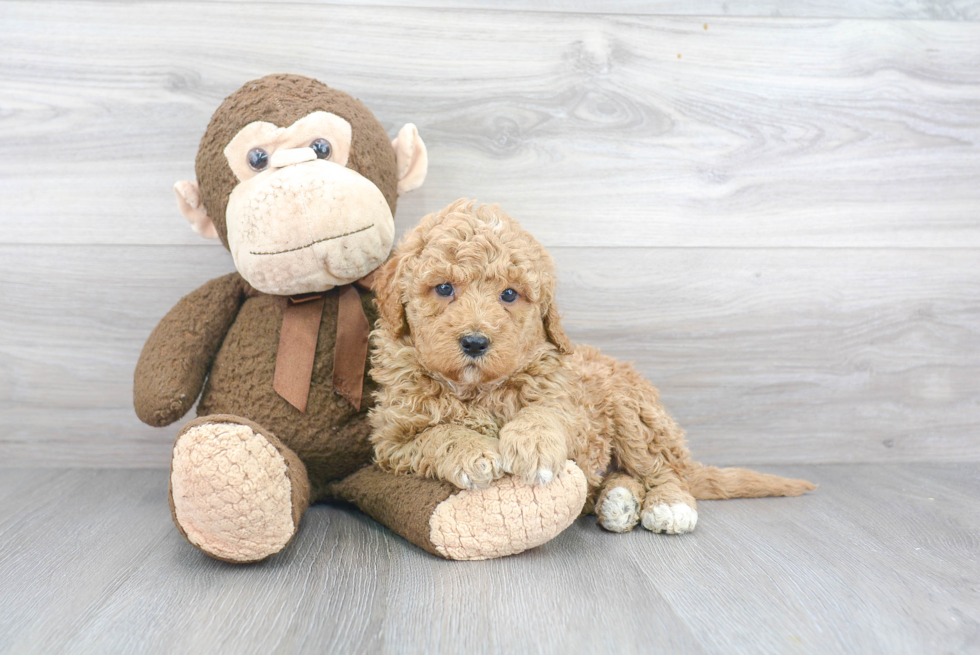
A cream Mini Bernedoodle is much lighter than red or most apricots, but cream does not necessarily mean white. The coat may have an ivory, vanilla, pale beige, or soft golden tint that becomes more obvious under certain lighting.
Some cream Mini Bernedoodles are noticeably warm from the beginning. Others appear almost white in photographs and reveal their cream tone only when you see them next to a white blanket, wall, or patch of snow. It is a surprisingly effective test. The dog you thought was white suddenly looks unmistakably vanilla.
Cream coats can also hold extra warmth around the ears, along the back, or around parts of the face. A very pale body with slightly darker golden ears can create enough contrast that the dog looks almost two-toned, even though cream remains the overall color.
As with apricot, the coat may continue to soften with age. Some adults retain clear cream or beige warmth, while others become extremely pale.
Cream vs. White Mini Bernedoodle: What Is the Difference?
Cream and white can be difficult to separate from photographs alone. The most useful visual difference is warmth. Cream tends to carry an ivory, pale gold, vanilla, or beige undertone, while a truly white coat looks cleaner and cooler.
Lighting complicates this considerably. Bright outdoor light can wash out subtle cream coloring, especially on a phone screen. Warm indoor light can do the opposite and make a pale cream coat appear more golden than it really is.
Age creates another layer of uncertainty because a cream puppy may become lighter as its adult coat develops. In very pale dogs, the final difference between cream and visually white can be small enough that most owners are not terribly concerned with the technical distinction.
If you simply love a very light Mini Bernedoodle, that flexibility can make choosing easier. If you want a particular warm cream tone rather than a near-white adult, it is worth looking at mature dogs from the same family before placing too much confidence in an early puppy photo.
RELATED: F2 Mini Bernedoodle Guide: Coat Types, Shedding, Grooming & More
What Is a Blonde Mini Bernedoodle?
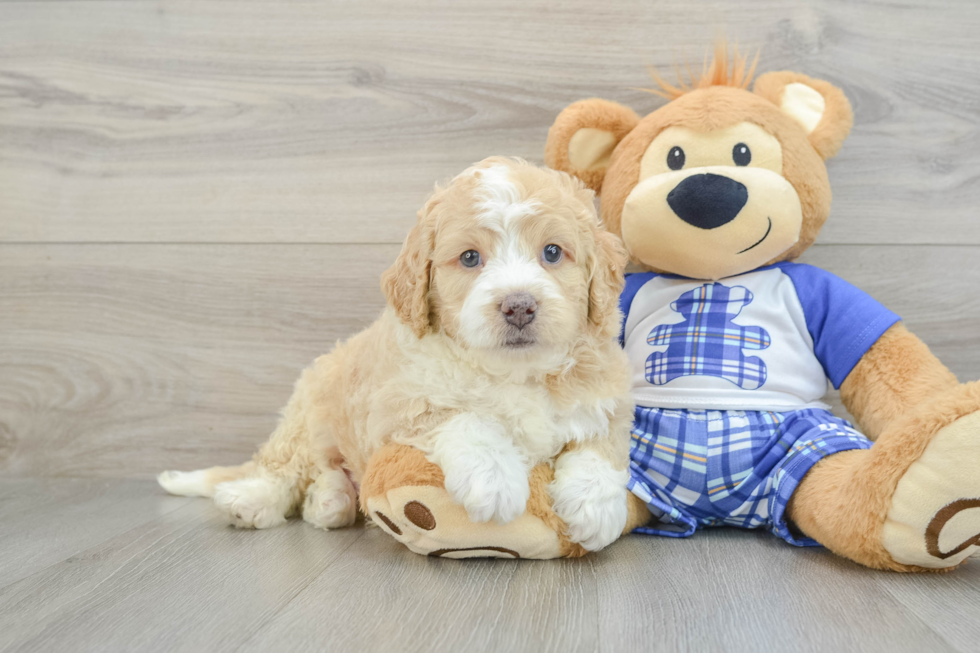
A blonde Mini Bernedoodle generally has a light, warm coat somewhere around pale apricot, gold, beige, or cream. The word is useful because it describes a look people recognize immediately, even though blonde is not one of the formal Poodle color names. Red, apricot, and cream are established Poodle colors, while blonde works more as an everyday description.
That means blonde has broader boundaries than red or cream. One dog described as blonde may be a pale apricot with honey-colored ears. Another may be warm cream. A third could have an even beige-gold coat that does not look quite apricot and certainly does not look white.
There is nothing particularly mysterious about the term. It is simply a convenient way of describing a warm, light-colored Mini Bernedoodle when another label feels too narrow.
The only time the distinction becomes important is when someone assumes “blonde” describes one predictable genetic color. It does not. When looking at a blonde Mini Bernedoodle puppy, the photograph, family color history, and expected maturation tell you more than the word itself.
Is Blonde the Same as Apricot?
Blonde and apricot can overlap, particularly at the pale end of apricot. A puppy may begin as a fairly obvious apricot, lighten substantially over its first year, and eventually have a coat that most people casually call blonde.
Other blonde Mini Bernedoodles are closer to cream from the beginning. They may have an ivory body with enough gold or beige to keep the coat from looking white.
This is one of those areas where trying to find one absolute definition makes the subject harder than it needs to be. Blonde describes an appearance. If you love that soft golden look, focus on the actual puppy and the adult dogs behind it rather than worrying too much about whether the precise label should be blonde, pale apricot, or warm cream.
RELATED: What Is an F1B Mini Bernedoodle? Size, Coat Type & More
How Much Can These Mini Bernedoodle Colors Change?

This is where puppy buyers tend to have the most questions, and there is no single answer that fits every dog. Some Mini Bernedoodles show only a modest change. The rich apricot puppy becomes a slightly softer apricot adult, or the red coat settles into a warm copper without losing its overall character.
Other puppies change dramatically. Deep red can move toward apricot, strong apricot can become pale gold, and cream may grow so light that it looks almost white. You may also see different parts of the coat change at different rates, which creates darker ears, lighter facial hair, or warmer coloring along the back.
The change usually happens gradually enough that people who see their dog every day do not notice every step. Old photographs tell the story better. Look back at the puppy at ten weeks, six months, and one year, and suddenly you realize just how much color has shifted.
This is why early photographs should be viewed as the beginning of the coat rather than the final portrait. They show you what the puppy looks like now. They cannot freeze that shade in place.
RELATED: Everything You Need to Know About Puppy Color Changes
When Does a Mini Bernedoodle's Adult Color Become Clearer?

The transition from puppy coat to adult coat does not happen on one fixed schedule. Color and texture develop over time, and the dog may continue changing throughout the first year and sometimes beyond.
You will often start noticing differences as the soft puppy coat gives way to more mature waves or curls. Grooming can make those changes suddenly look much more obvious because the longer puppy hair is removed and newer growth becomes easier to see.
This can create an amusing moment for owners who send an apricot fluffball to the groomer and collect what appears to be a lighter dog a few hours later. The groomer did not bleach the puppy while nobody was looking. Shorter hair, fresh growth, texture, and lighting have simply changed the way the color presents.
By adulthood, the general shade is usually much easier to judge. Even then, coat appearance can vary a little with hair length, sun exposure, seasons, and grooming.
RELATED: How Big Do Mini Bernedoodles Get?
Why Are My Mini Bernedoodle's Ears Darker Than the Body?
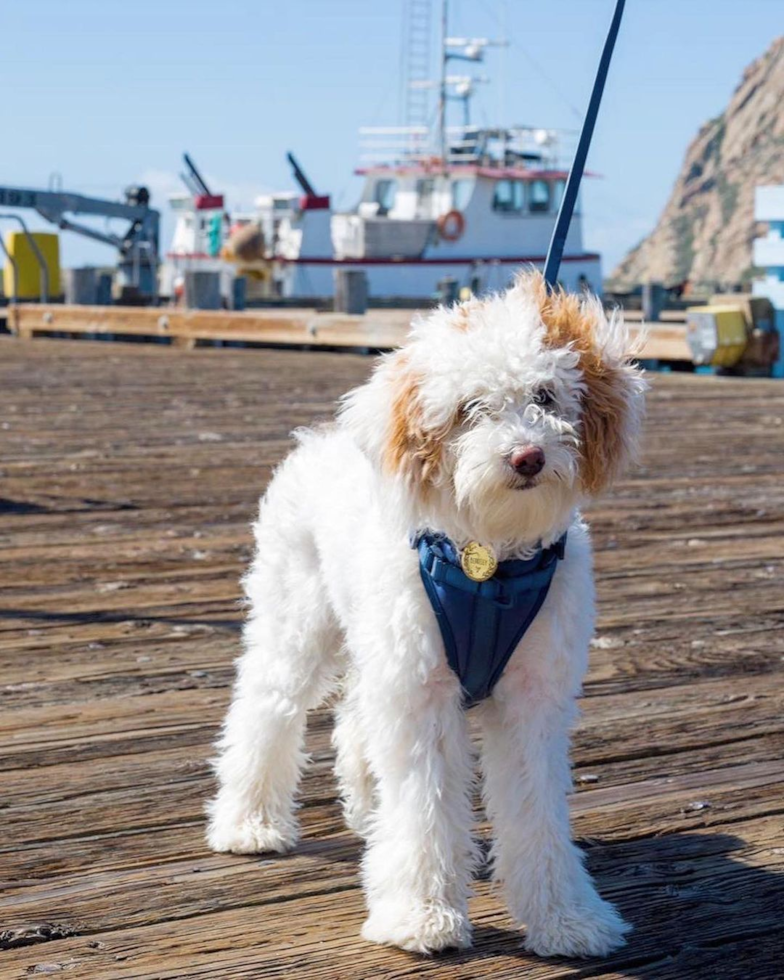
Darker ears are especially noticeable on apricot, cream, and blonde Mini Bernedoodles. The body may lighten quite a bit while the ears continue to hold warmer gold, apricot, or beige tones.
This does not automatically mean the puppy is changing into some new pattern. Different areas of the coat can simply show slightly different levels of color, and longer ear hair can make the difference appear stronger because more pigmented hair is concentrated in one place.
You may see something similar around the back, tail, or face. Some dogs mature into a beautifully blended coat with several shades rather than one perfectly uniform color.
If you like that contrast, darker ears can become one of the adult dog's most distinctive features. If you were expecting the entire coat to match exactly, it is useful to know in advance that warm Mini Bernedoodle colors often have more natural variation than a single label suggests.
Can Grooming Make a Mini Bernedoodle Look Lighter or Darker?
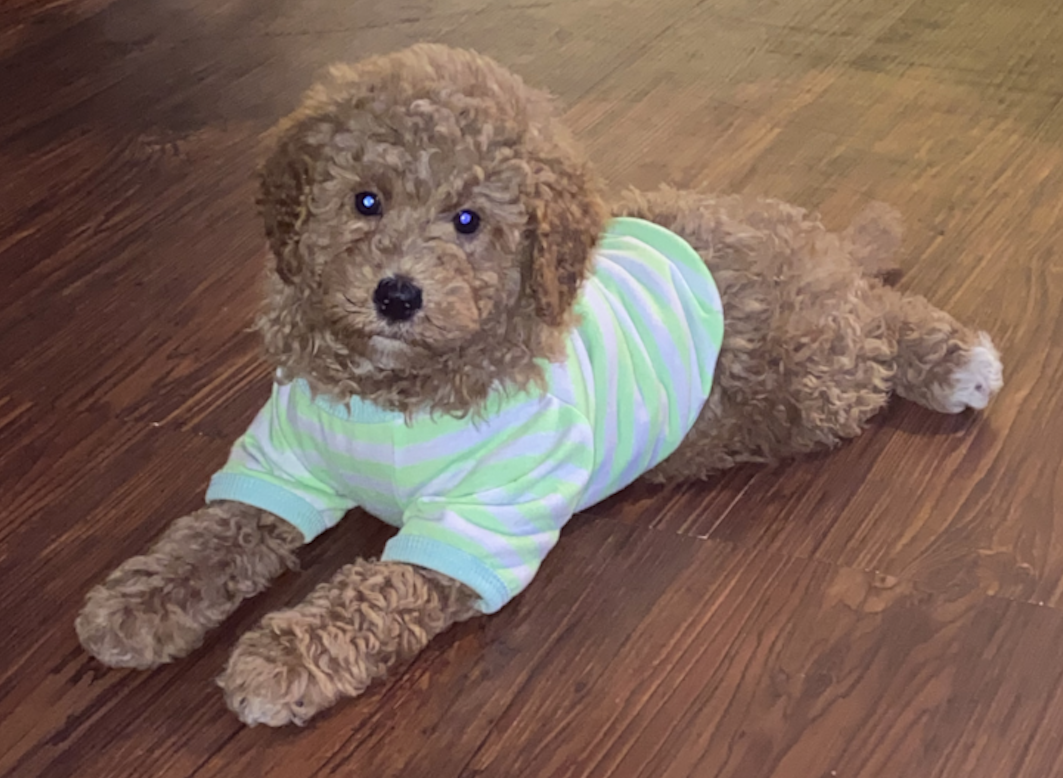
Grooming can change the appearance of color much more than people expect. A long fluffy coat reflects light differently from a short clipped coat, and older hair at the ends can look different from fresher growth closer to the skin.
After a haircut, a red Mini Bernedoodle may seem richer because you are seeing more of the newer hair. An apricot dog may appear lighter because the dense fluffy coat that created extra shadow is gone. Cream dogs can look almost white when cut short, particularly under bright light.
None of that means the underlying color genetics changed at the grooming salon. You are simply seeing the coat from a different angle, at a different length, with different portions of the hair shaft visible.
This is another reason before-and-after grooming photos are not always reliable examples of true color change. Some of the difference may be maturation, while some comes down to the haircut itself.
RELATED: Are Mini Bernedoodles Hypoallergenic? Shedding, Allergies & More
Does Sunlight Change Red or Apricot Coats?
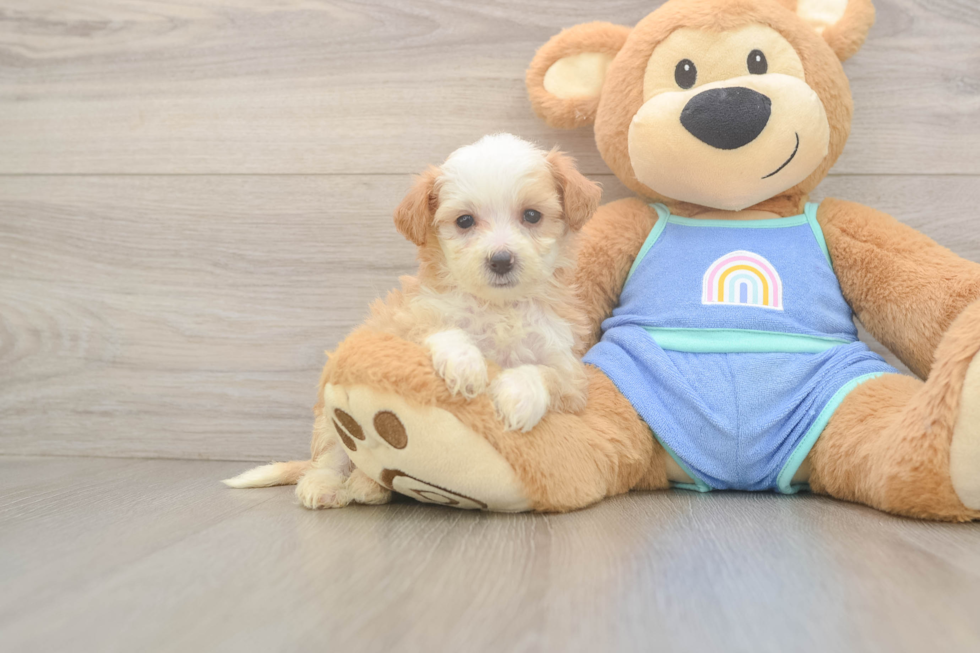
Sun exposure can affect the appearance of the hair, particularly the older outer portions of a longer coat. Hair that spends plenty of time in strong sunlight can look softer or lighter at the tips compared with newer growth closer to the skin.
That can create a noticeable difference on red and apricot Mini Bernedoodles because those warm shades show subtle changes well. After a short haircut, the newly exposed coat may suddenly look deeper or richer.
Sunlight is only one piece of the picture, though. Natural maturation can also lighten the coat, and the two effects can occur at the same time. If your red puppy is steadily becoming apricot over many months, it would be too simple to blame the entire change on afternoons in the backyard.
Why Does My Mini Bernedoodle Look Like a Different Color in Every Photo?

Warm coat colors are particularly sensitive to photography. A red dog photographed indoors under yellow lighting can look dramatically deeper and warmer than the same dog standing outside on a cloudy afternoon. Cream may appear almost white in bright light, while apricot can move from peach to gold depending on the surroundings.
Phone cameras make their own adjustments as well. Automatic exposure and white balance are designed to produce a pleasing image, not to document a puppy's exact coat shade for future scientific analysis.
Background colors can fool your eyes too. Put a cream Mini Bernedoodle on a dark floor and the warmth in the coat stands out. Photograph the same dog against beige carpet and it may suddenly look much paler.
If you are choosing a puppy from photographs, ask yourself whether the color looks consistent across several pictures. Natural daylight photographs and ordinary video are especially useful because they give you more information than one carefully staged portrait.
See What Mini Bernedoodles Look Like As Puppies And Adults - Customer Photos
Can You Predict What Color a Mini Bernedoodle Puppy Will Be as an Adult?
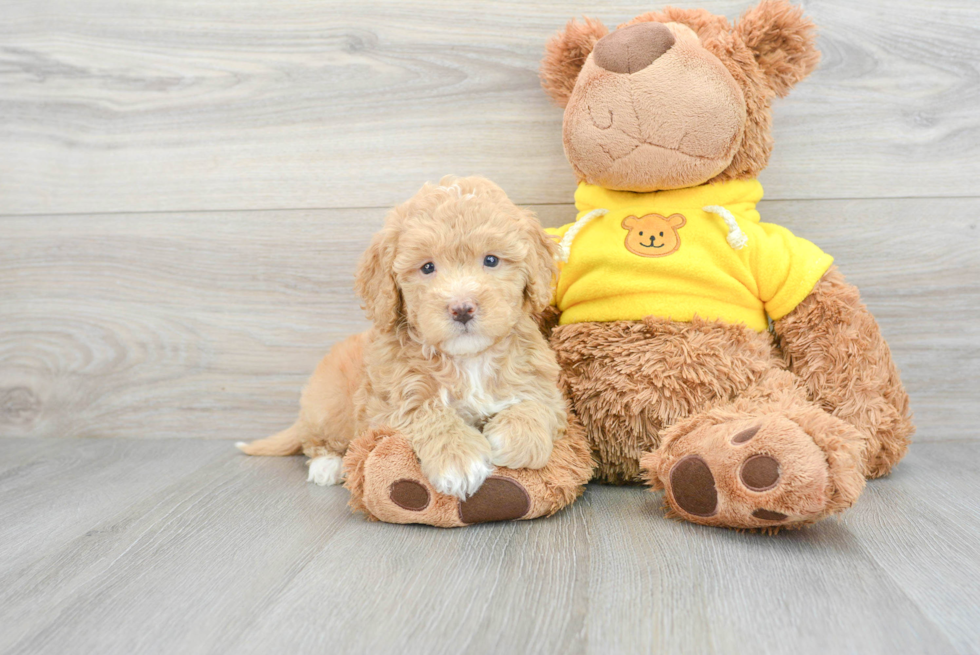
You can make a reasonable estimate, but prediction and guarantee are two very different things. The puppy's current coat gives you your first clue. A deeply colored red puppy obviously begins with more visible pigment than a pale apricot one, but the question is how much of that intensity will remain.
The mature parents provide another piece of the puzzle. Ideally, it helps to know what they looked like as puppies too. A parent who is pale apricot today may have started life surprisingly dark, which tells you more than the adult photograph alone.
Older relatives can be even more helpful when enough information is available. Previous puppies from related pairings, adult siblings, grandparents, and other close family members may reveal whether dogs from those lines tend to hold strong color or become noticeably lighter.
Even with all of that information, nature still has room to improvise. Two littermates can inherit different combinations of color-modifying traits and mature differently. If one exact adult shade is absolutely essential, an adult dog will always offer more certainty than a young puppy.
See available Mini Bernedoodle Puppies for sale at Premier Pups.
What Is a Red Tuxedo Mini Bernedoodle?
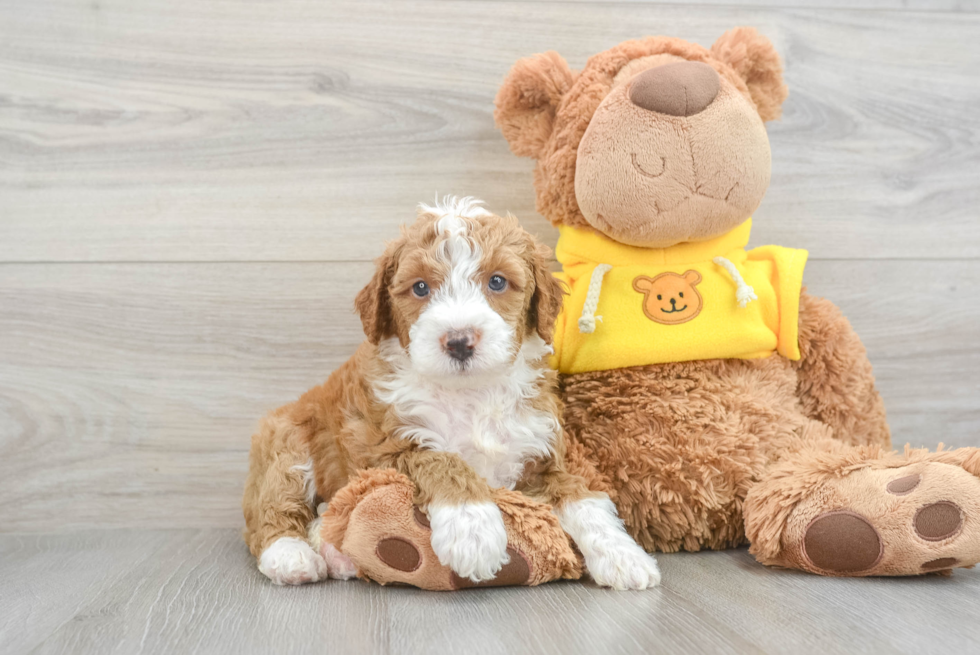
A red tuxedo Mini Bernedoodle has a mostly red coat with noticeable white markings, often around the chest, muzzle, chin, face, feet, belly, or tail tip. The white chest is what gives the pattern its tuxedo nickname, since it can resemble a white shirt showing beneath a darker jacket.
The amount of white varies considerably. One puppy may have a broad white chest, four white feet, and a blaze up the face. Another may have a smaller chest patch, white chin, and only touches of white elsewhere.
Mini Bernedoodles do not have an official breed standard that dictates exactly how much white a tuxedo must have or where every marking should sit. For that reason, tuxedo is best understood as a practical visual description rather than a rigid category.
The part that tends to stay most recognizable is the overall balance. A red tuxedo still reads primarily as a red dog, with white used as contrast.
Red Tuxedo vs. Red and White Parti Mini Bernedoodle
A red tuxedo and a red-and-white parti Mini Bernedoodle can share similar colors while looking very different overall. The tuxedo generally remains predominantly red, with white concentrated in recognizable marking areas such as the chest, face, paws, and underside.
A red-and-white parti has white playing a much larger visual role, with red appearing in separate patches or larger sections across the coat. There is no official Mini Bernedoodle standard setting an exact percentage that every breeder must follow, so terminology can vary somewhat between breeding programs.
This is one situation where photographs are far more useful than debating the label. If you want a puppy that will look primarily red with crisp white accents, focus on that appearance. If you prefer a much whiter dog broken up by large red patches, a parti pattern is closer to what you have in mind.
Can a Red Tuxedo Mini Bernedoodle Fade?
The white areas of a red tuxedo remain white, but the red sections can soften just as they can on a more solid red dog. A puppy with a strong dark-red-and-white contrast may become copper-and-white or apricot-and-white as it grows.
The pattern can still look clearly tuxedo because the location of the white markings remains recognizable. What changes is the depth of the colored portion.
This matters when families fall in love specifically with the dramatic contrast of a very dark puppy. The adult may be every bit as striking, but the contrast could be softer than it appeared at eight or ten weeks.
RELATED: Top 5 Things to Know Before Getting a Mini Bernedoodle Dog
Are Red Mini Bernedoodles Rare?
Red Mini Bernedoodles may be less frequently available than some of the more traditional Bernese-inspired colors, but “rare” needs context. Availability depends greatly on the dogs within a particular breeding program and the color traits established in those lines.
A program that has worked with strong red Poodle or red Bernedoodle ancestry for generations may produce red puppies regularly. Another program centered heavily on traditional tricolor or other patterns may produce them only occasionally.
Deep red can also be less predictable than simply producing a warm-colored puppy. Research on Poodle coat color shows that pigment intensity is influenced by multiple genetic factors, which helps explain why one dog may be a rich red while a close relative ends up much lighter.
For someone looking for a red Mini Bernedoodle, the more useful question is usually how often a particular program produces that color and what their adult dogs from those lines tend to look like.
Are Cream and Blonde Mini Bernedoodles Rare?
Cream and blonde availability works in much the same way. Some lines regularly produce pale apricot, cream, and warm blonde puppies, while other lines seldom do.
Blonde is especially difficult to discuss in terms of rarity because the label itself is flexible. A dog one person calls blonde might be listed elsewhere as light apricot or cream.
That makes raw color labels a poor way to compare availability across different places. If you are looking for a pale, warm-colored puppy, photographs of current and mature dogs will usually give you a much clearer idea of whether a particular line produces the look you want.
Does Color Affect a Mini Bernedoodle's Personality?

Coat color is not a useful way to predict Mini Bernedoodle temperament. A red puppy is not naturally more energetic because the coat looks fiery, and a cream puppy does not come with a softer personality simply because the color appears gentle.
Temperament is much more connected to the individual puppy, parental traits, early development, socialization, experiences, training, and the environment the dog grows up in. Puppies within the same color can have very different personalities, just as puppies of different colors can be remarkably similar.
This becomes especially important when choosing between littermates. It is perfectly reasonable to have a favorite color, but the puppy whose temperament fits your household may not be the one wearing your first-choice shade.
A coat is what you notice in the photograph. Personality is what you live with every day.
RELATED: Are Mini Bernedoodles Good Family Dogs? What Life Really Looks Like
Does Color Tell You Whether a Mini Bernedoodle Will Be Curly or Low-Shedding?
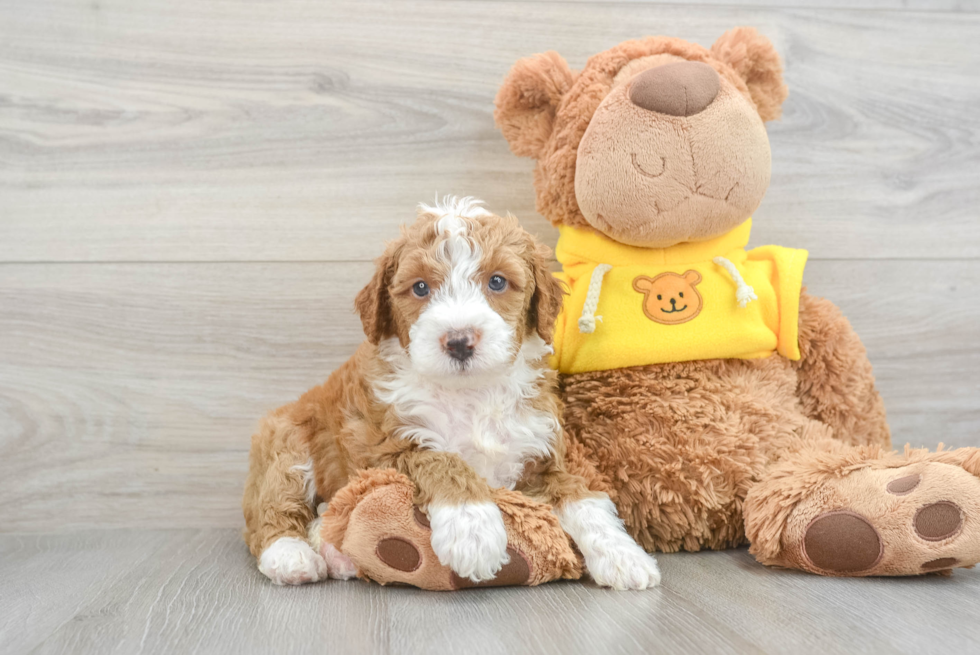
Red, apricot, cream, and blonde describe pigment, not the entire coat. A red Mini Bernedoodle can develop tight curls, loose waves, or a straighter coat. The same range is possible in an apricot, cream, or blonde Mini Bernedoodle.
Color alone also cannot tell you exactly how much a dog will shed. Coat texture, furnishings, and other inherited coat characteristics matter far more when you are trying to understand what grooming and shedding may look like.
Two littermates can have almost identical apricot coats at eight weeks yet develop noticeably different textures as adults. One may become much curlier while the other keeps an open, wavy coat.
That is why color and coat type should be considered separately when choosing a puppy. Loving red does not mean you have to prefer curls, and choosing cream does not automatically tell you anything useful about shedding.
RELATED: Do Mini Bernedoodles Shed? Coat Types and Allergies Explained
Are Light Mini Bernedoodle Coats Harder to Keep Clean?

The actual grooming needs depend much more on texture, length, and lifestyle than on color, but lighter coats are less forgiving when it comes to visible dirt. Mud on cream paws tends to announce itself. Food around a light beard, tear staining, grass marks, and whatever mysterious substance the puppy discovered under the porch can all be easier to spot.
Red and darker apricot coats may hide some everyday dirt a little better, although the dirt is obviously still there. They have simply chosen a more practical wardrobe for questionable outdoor decisions.
Brushing, bathing, coat checks, and professional grooming should be based on the dog's coat rather than the shade. A curly cream Mini Bernedoodle can mat just as readily as a curly red one, and a lighter color does not require a completely different grooming routine.
What may change is how quickly you notice that the dog could use a bath.
How to Choose Between Red, Apricot, Cream, and Blonde Mini Bernedoodles

Color preference is allowed to be part of choosing a puppy. We spend years looking at our dogs, taking an embarrassing number of photos of them, and admiring them when they are doing absolutely nothing remarkable. It makes sense to enjoy the way your dog looks.
A deep red Mini Bernedoodle may appeal to someone who loves strong copper and cinnamon shades. Apricot offers a softer palette with peach, honey, and gold. Cream is ideal for people drawn to light ivory and vanilla coats, while blonde works beautifully for those who like pale gold and warm beige without caring whether the technical label is apricot or cream.
The bigger question is how flexible you are about maturation. Someone who loves the entire range from red through apricot has plenty of room for normal coat changes. Someone who wants a very specific dark mahogany adult should spend more time looking at mature relatives and discussing how color has developed in previous dogs from those lines.
The same applies to white markings. A red tuxedo puppy and a largely solid red puppy may share the same base color but create completely different visual effects. A red-and-white parti shifts the balance even further because white becomes a major part of the coat.
Once you have narrowed down the look you enjoy, bring the rest of the puppy back into the decision. Temperament, health, early development, adult size, socialization, coat type, and the way the puppy fits your household will affect daily life far more than whether the final coat lands one shade closer to red or apricot.
That does not make color meaningless. It simply keeps it in perspective.
RELATED: Mini Bernedoodle Pros and Cons
What Matters Most If You Want a Specific Adult Color?
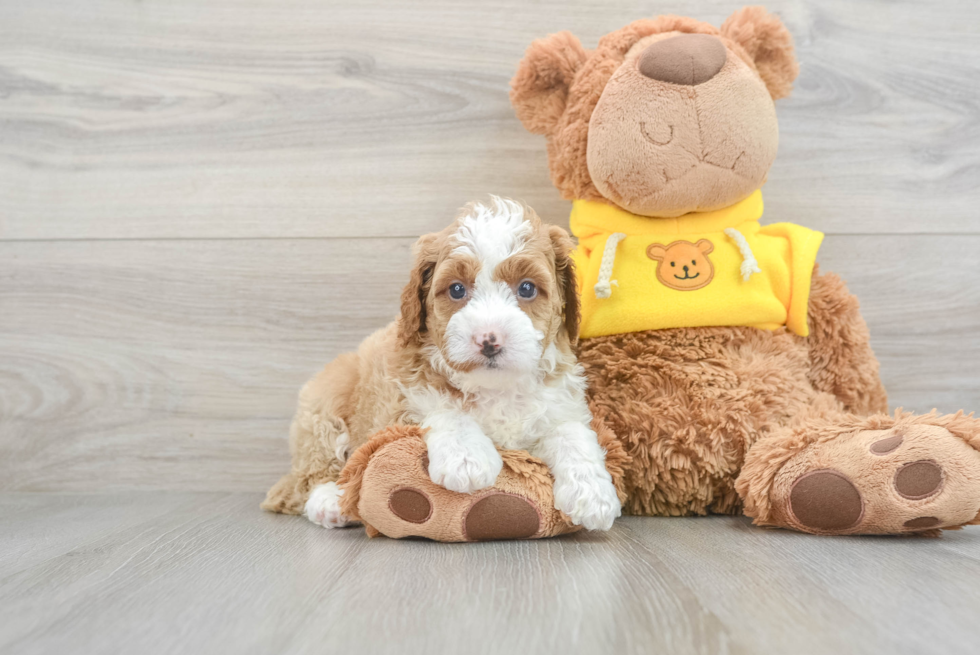
If adult color matters strongly to you, start by looking beyond the puppy's current photograph. Ask what the parents looked like as puppies and how much they changed. Look at adult siblings or previous puppies from related pairings when those examples are available. A history of dogs holding deep red or consistently lightening toward apricot is more useful than a promise based on one eight-week-old coat.
Pay attention to the range you would still be happy with as well. If you love dark red but would also be delighted with copper or apricot, you have much more flexibility. If you would be genuinely disappointed by significant lightening, it is better to recognize that before choosing a young red puppy.
For cream and blonde Mini Bernedoodles, decide whether you like warm ivory and gold or whether you specifically want an extremely pale adult. Again, the family line may provide clues, but young puppies leave room for change.
The safest expectation is a color family, not an exact future paint sample. A red puppy is likely to stay somewhere within that warm red-to-apricot world, but the precise depth can move. An apricot puppy may stay apricot or become considerably lighter. Cream may hold visible warmth or drift toward a very pale adult coat.
Final Thoughts on Red, Apricot, Cream, and Blonde Mini Bernedoodles

Red, apricot, cream, and blonde Mini Bernedoodles show just how much variety can exist within one warm section of the color palette. Red brings the deepest copper, cinnamon, and rusty shades. Apricot softens those colors into peach, honey, and gold. Cream moves toward ivory and vanilla, while blonde fills the less-defined territory between pale apricot, warm cream, beige, and soft gold.
The borders between those colors are not always neat, and puppy coats make them even less predictable. A dark apricot may be mistaken for red. A red puppy may mature into copper or apricot. A cream dog may become almost white, while another keeps warm golden ears against a much lighter body.
None of that means the original color description was necessarily wrong. Young dogs change, and warm coat colors can be especially good at keeping owners guessing while the adult coat comes in.
If you are choosing a puppy largely because you love one of these shades, look at the puppy in different lighting and learn as much as you can about mature dogs from the same family. Then leave a little space for the coat to develop in its own way.
You may start out convinced that deep red is the color you want forever and end up with a softly apricot adult that you cannot imagine looking any other way. Dogs have a habit of doing that. They turn our very specific preferences into this particular dog is perfect, usually without asking permission first.
Elena R.
About The Author
Elena is a leading expert in the field of dog behavior, care, and training, with over a decade of experience in writing about dogs. As a published writer and lifelong dog enthusiast, Elena currently shares her home with three beloved canine companions. She is dedicated to staying up to date on the latest advancements in dog care and training, ensuring that her articles provide readers with accurate and valuable insights. With her extensive knowledge and passion for all things canine, Elena's contributions to the Premier Pups community offer both expertise and authority on a wide range of dog-related topics.
What To Read Next

Parti Mini Bernedoodles: Black & White, Brown & White, +More
A Parti Mini Bernedoodle stands out for a very different reason than a classic tricolor. Instead of black, rust, and white arranged in the familiar Bernese pattern, a parti coat uses white as a major part of the design. Large patches of black, brown, red, apricot,... Read More
Tricolor Mini Bernedoodles: Colors, Markings & How They Change
A Tricolor Mini Bernedoodle carries one of the most recognizable looks associated with the breed. Black usually covers most of the coat, white brightens the chest, face, and paws, and warm tan or rust markings sit above the eyes, along the cheeks, and around the... Read More
Frequently Asked Questions
What is the difference between a red and apricot Mini Bernedoodle? A red Mini Bernedoodle generally has deeper, more saturated warm coloring. The coat may be copper, cinnamon, rusty red, or a rich reddish gold. Apricot is usually softer and may look peach, honey, golden orange, or light copper. Dark apricot and light red can overlap enough that the exact label becomes subjective.
Can a red Mini Bernedoodle turn apricot? Yes. A red puppy can lighten as the adult coat develops until apricot becomes a more natural description of the visible color. Other red Mini Bernedoodles retain much stronger color throughout adulthood, so the amount of change varies considerably between dogs.
Do all red Mini Bernedoodles fade? No. Some become noticeably lighter, while others hold rich red or copper coloring very well. Mature parents and older relatives can provide useful clues about how color tends to develop within a line, but they cannot guarantee one puppy's exact adult shade.
When do Mini Bernedoodles start changing color? Color changes can become noticeable as the puppy coat begins giving way to the adult coat. The process is gradual and may continue throughout the first year and sometimes longer. Grooming can make the change appear sudden because clipping removes older, longer hair and exposes more recent growth.
Why is my red Mini Bernedoodle getting lighter? Natural coat maturation can reduce how intense the red appears as the puppy grows. Some dogs remain clearly red but soften a few shades, while others move much closer to apricot. Sun exposure, coat length, grooming, and lighting can also influence how strong the color looks at any particular time.
What is a red tuxedo Mini Bernedoodle? A red tuxedo Mini Bernedoodle is predominantly red with noticeable white markings, often on the chest, muzzle, face, feet, belly, or tail tip. The white chest creates the shirt-like appearance behind the tuxedo nickname. The exact amount of white varies because Mini Bernedoodles do not have an official breed standard defining the pattern.
Is a red tuxedo Mini Bernedoodle the same as a red parti? Usually not. A tuxedo dog still looks predominantly red, with white concentrated in distinct marking areas. A red-and-white parti has considerably more white across the overall coat, with red appearing in separate patches or larger sections. Breeder terminology can vary, so photographs are more useful than the label alone.
What color is an apricot Mini Bernedoodle? Apricot is a warm shade between red and cream. It can range from strong golden-orange and peach to honey, pale copper, or light golden beige. Dark apricot may resemble light red, while pale apricot can sit very close to blonde or cream.
Do apricot Mini Bernedoodles get lighter? Some do. An apricot puppy may remain strongly apricot, soften only slightly, or become pale gold or creamier as an adult. The body and ears do not always lighten equally, which is why some adult Mini Bernedoodles have noticeably darker golden or apricot ears.
Why are my Mini Bernedoodle's ears darker than the rest of the coat? Warm-colored coats can show natural differences in shading from one part of the body to another. The body may become lighter while the ears retain stronger apricot, gold, or beige coloring. Longer ear hair can make the contrast look even more pronounced.
Is a cream Mini Bernedoodle white? Not necessarily. Cream usually retains subtle warm undertones such as ivory, vanilla, pale beige, or light gold. Very pale cream can look white in bright photographs, so the difference often becomes easier to see when the dog stands beside something that is truly white.
Can a cream Mini Bernedoodle become almost white? Yes. Some cream puppies mature into extremely pale adults, while others hold more obvious warmth in the coat. Slightly darker ears or golden areas may remain even when the rest of the dog becomes very light.
What is a blonde Mini Bernedoodle? Blonde is an informal description for a light, warm Mini Bernedoodle coat. It may refer to pale gold, beige, light apricot, warm cream, or a shade somewhere between those colors. Unlike red, apricot, and cream in Poodles, blonde is not one specific standardized color term.
Is blonde the same as apricot? It can overlap with apricot, especially when an apricot coat is very light. Some blonde Mini Bernedoodles would more formally be described as pale apricot, while others are closer to cream. The word blonde is mainly useful because it communicates the overall warm, golden appearance.
Can grooming make a Mini Bernedoodle look like it changed color? Yes. Shorter hair reflects light differently from a long fluffy coat, and a haircut may expose newer growth that looks slightly different from older hair at the ends. The dog's inherited color has not suddenly changed, but the visual difference after grooming can be surprisingly strong.
Does sunlight make red or apricot Mini Bernedoodles lighter? Sun exposure can weather the outer portions of the hair and make them look somewhat lighter, particularly on longer coats. Natural maturation may be happening at the same time, so sunlight should not automatically be blamed for every color change.
Why does my Mini Bernedoodle look red in some photos and apricot in others? Warm coat colors change considerably under different lighting. Yellow indoor lighting can make apricot look redder, while bright daylight can make the same dog appear lighter. Phone cameras also adjust exposure and white balance automatically, which can shift the visible shade from one photograph to the next.
Can two puppies from the same litter end up different shades as adults? Yes. Littermates inherit different combinations of traits from their parents, so two puppies that look similarly red or apricot when young may not mature in exactly the same way. One might retain stronger color while the other becomes several shades lighter.
Can you guarantee the adult color of a red Mini Bernedoodle puppy? An exact adult shade cannot be guaranteed from a young puppy's appearance alone. Current color, parental color, and mature relatives can help estimate what is likely, but each puppy develops individually. Families who need complete certainty about adult shade have more predictability with an already mature dog.
Does Mini Bernedoodle color affect personality? Color alone is not a useful predictor of temperament. Red, apricot, cream, and blonde Mini Bernedoodles can all have a wide range of personalities. Parental temperament, early development, socialization, training, environment, and the individual puppy tell you far more about what the dog may be like to live with.
Does color affect how curly a Mini Bernedoodle will be? No useful prediction about curl can be made from coat color alone. A red Mini Bernedoodle can be curly, wavy, or straighter, and the same applies to apricot, cream, and blonde dogs. Coat texture should be considered separately when choosing a puppy.
Does a red Mini Bernedoodle shed less than a cream one? Color does not tell you which puppy will shed less. The traits that influence coat type and shedding are separate from the traits that create red, apricot, cream, or blonde coloring. Two dogs of the same color can therefore have noticeably different coat textures and grooming needs.
Which Mini Bernedoodle color is best? There is no color that is inherently better for temperament, health, or everyday life. The better choice is the shade you enjoy while keeping realistic expectations about how puppy coats can change. Once you move beyond appearance, temperament, health, development, and compatibility with your household deserve much more weight than whether the adult coat ends up red, apricot, cream, or blonde.